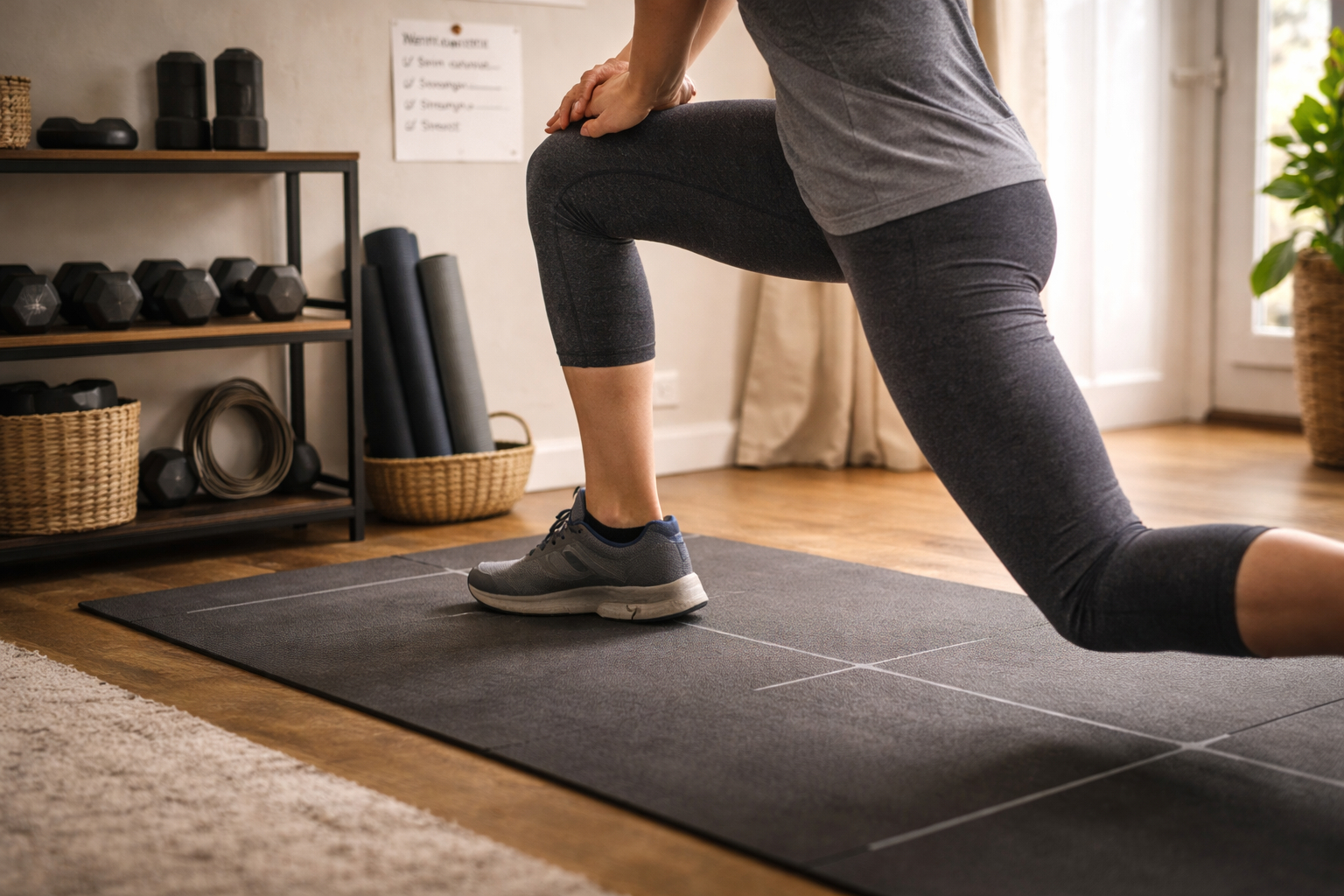
Setting up a safer home training routine starts with deliberate choices about space, gear, and how you move. Small adjustments to flooring, lighting, and storage reduce common trip and strain risks. Equally important are movement habits and a conservative progression plan to avoid overload. This article outlines practical, everyday steps to make home workouts more reliable and less injury-prone.
Assess your training area
Begin by identifying a dedicated spot with enough clearance to move freely through common patterns like lunges, squats, and arm reaches. Measure space for equipment and pathways to exits, making sure nothing forces awkward compensations or sudden stops mid-exercise. Good lighting and a clear line of sight help you maintain balance and body awareness during dynamic movements. Regularly reassess the area when furniture or decor is changed to keep the layout functional.
Keeping one consistent training zone reduces surprises and helps build safer habits. Simple marks or rugs can define boundaries and guide foot placement during drills.
Choose appropriate surfaces and equipment
Select flooring that balances cushioning and stability; overly soft surfaces can destabilize joints, while hard floors may increase impact forces. Use non-slip mats for floor work and ensure any portable equipment has stable, level contact points. Pick gear sized for your height and strength, and avoid cluttering the space with items you rarely use. Proper footwear matched to the activity provides extra protection and traction for most indoor sessions.
Investing in a few versatile, well-maintained pieces is safer than a crowded stash of mismatched items. Store equipment where it won’t be a tripping hazard and inspect it before use.
Focus on movement quality and gradual progression
Prioritize controlled technique over intensity, especially when you train alone. Warm up to integrate mobility and soft tissue readiness, then scale load and complexity incrementally to let strength and coordination adapt. Track progress in small, measurable steps so you can pace increases without surprise overload. When introducing new movements, reduce tempo and range until technique is solid.
Consistent, modest progression lowers acute and chronic risk while building long-term resilience. Listening to your body and adjusting intensity prevents many common setbacks.
Maintain equipment and monitor hazards
Routine inspections catch loose bolts, torn grips, and worn straps before they cause problems. Clean surfaces to remove sweat or dust that reduces traction and secure cables or cords away from pathways. Address environmental hazards like rugs that curl or uneven thresholds that interfere with balance. A quick pre-session checklist becomes a reliable habit that preserves safety over time.
Small maintenance tasks take little time but pay off by reducing preventable incidents. Make checks part of your warm-up routine to keep safety front of mind.
Conclusion
Thoughtful layout, suitable surfaces, and conscious movement habits form the backbone of safer home training. Regular maintenance and gradual progression further reduce injury risk and support consistent progress. Implementing these practical steps creates a reliable environment for long-term fitness at home.