Many people develop cumulative strain from repeated small tasks in home life.
That strain often comes from predictable patterns such as prolonged sitting, awkward reaches, or brief heavy lifts.
Without attention, these micro-stresses add up and contribute to persistent muscle and joint tension.
This article presents practical, low-effort home habits that interrupt cumulative load and support daily comfort.
Identify High-Load Moments
Start by noticing when pain or tightness tends to appear during a typical day and which activities precede it.
Track short episodes for several days to identify patterns rather than relying on single incidents.
Common triggers include repetitive kitchen tasks, sustained desk postures, or frequent lifting from floor level.
Knowing the specific moments that matter helps you target small changes that have big effects over time.
- Carrying multiple heavy shopping bags at once.
- Long stretches of leaning toward a laptop without a break.
- Reaching overhead to get rarely used items.
Once you have a short list of triggers, you can prioritize which moments to adjust first.
Focusing on two to three daily situations makes improvements manageable and sustainable.
Design Micro-Adjustments and Pacing
Micro-adjustments are tiny, repeatable changes that reduce peak load and distribute work more evenly across the day.
Examples include setting a timer for a 90-second posture reset, alternating tasks to avoid repetition, or splitting heavy lifts into smaller steps.
Pacing means deliberately alternating higher-demand tasks with lower-demand tasks so tissues recover before the next challenge.
These strategies reduce the chance of an overload that triggers a flare-up and build confidence in movement.
- Set an alarm to stand and move every 30 to 45 minutes during periods of sitting.
- Break household chores into shorter intervals with brief stretches between.
Over time, micro-adjustments become habits that protect joints and muscles without requiring lengthy routines.
They preserve energy and reduce cumulative wear by preventing repeated peaks of strain.
Set Up Reliable Support Tools
Simple ergonomic choices and readily accessible tools minimize risky positions and make safer options the default.
Keep frequently used items at waist to eye level to avoid repeated bending or reaching, and use benches or stools to sit during prolonged tasks.
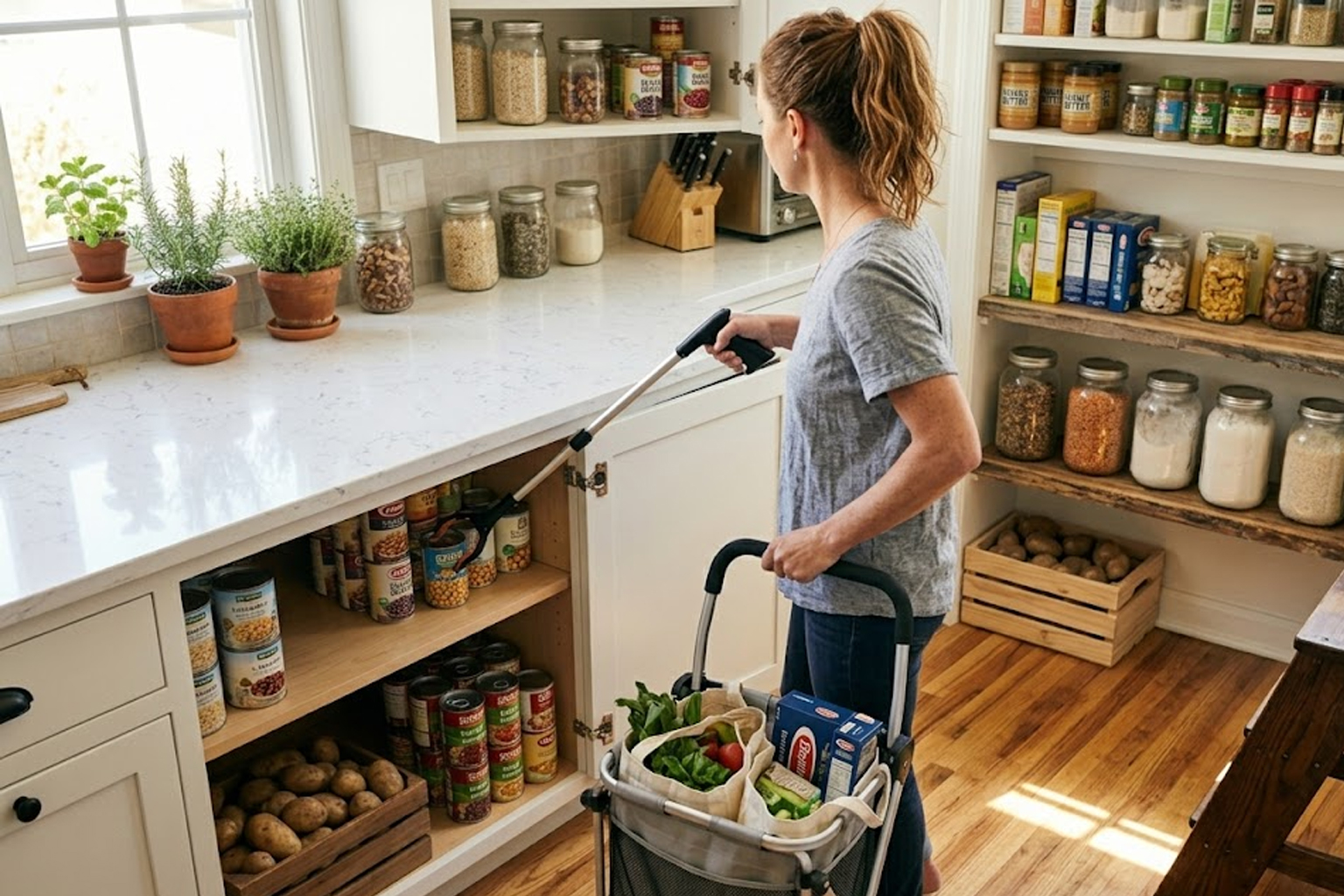
Lightweight grabbers, cart wheels, and stable step stools reduce awkward loading and make tasks easier to pace safely.
Footwear with good support and non-slip soles helps distribute forces evenly during standing or walking tasks.
- Adjust chair height and screen position for neutral spine alignment.
- Use a wheeled cart or trolley for transporting items across the home.
- Store heavy items lower and arrange overhead storage for rarely used goods.
Investing a small amount of time to adapt your environment pays off through fewer aches and more consistent activity.
Reliable tools remove the need for awkward compensations that contribute to long-term strain.
Conclusion
Reducing cumulative strain at home relies on identifying triggers, applying micro-adjustments, and using simple supports.
Small, consistent changes spread demand more evenly and lower the risk of recurring pain episodes.
Build these habits gradually to protect motion and maintain everyday comfort.