Persistent musculoskeletal pain often responds best to consistent, gradual change rather than dramatic interventions. Adopting gentle progressions at home can help restore movement, reduce sensitivity, and build confidence. This article outlines practical steps to progress activity safely, adapt your environment, and set achievable goals. The focus is on sustainable habits that prioritize function and comfort.
Start with achievable movement
Begin each session with movements that feel controlled and manageable. Prioritize range-of-motion exercises and slow strength work that does not spike pain, using breathing and mindful pacing. Track a simple metric such as repetitions, duration, or perceived effort to monitor progress without chasing pain-free outcomes. Consistency matters more than intensity in early stages.
Keep early increases small, for example five to ten percent per week. Small gains compound into meaningful improvements over time.
Design clear, realistic goals
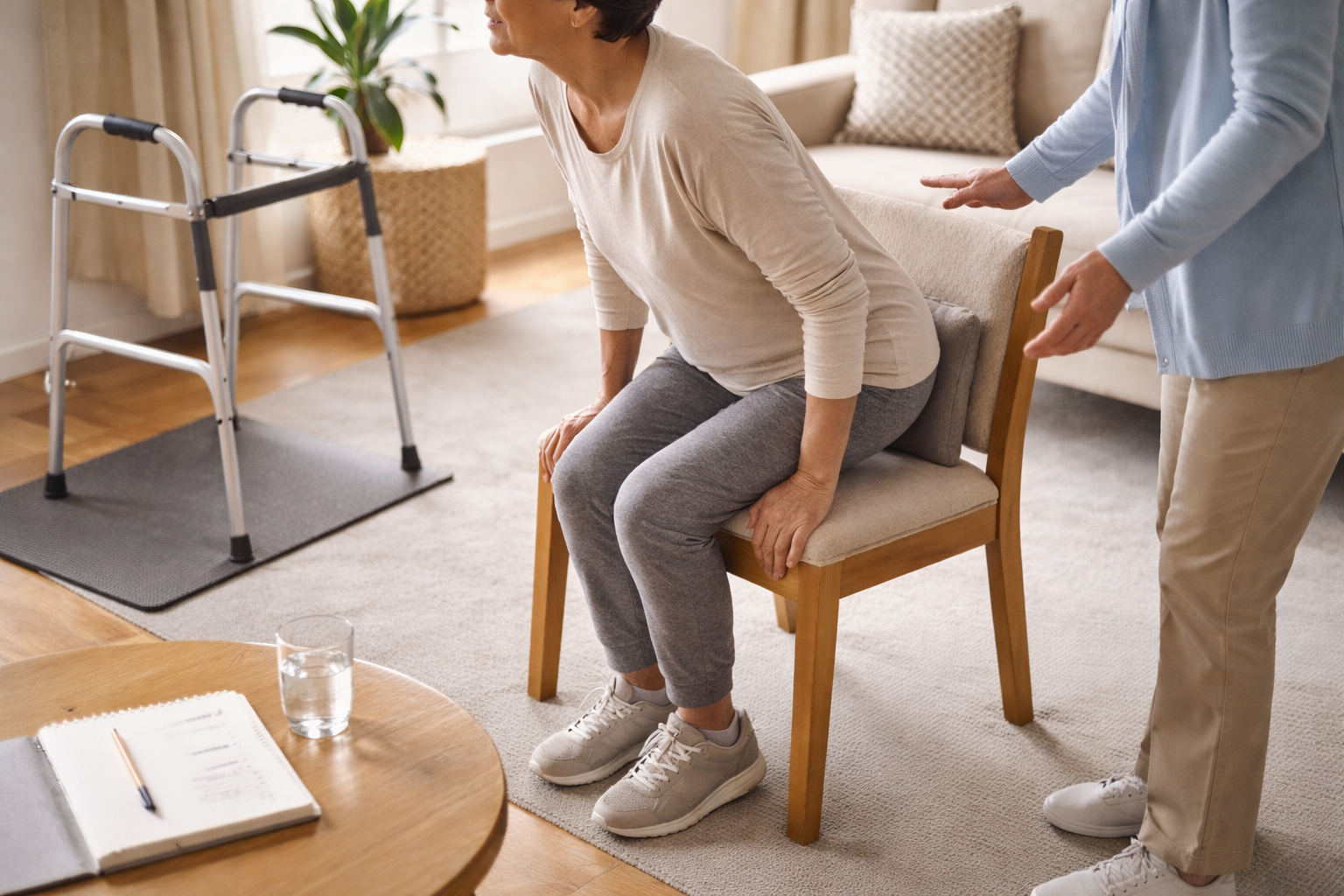
Set short-term goals tied to daily activities rather than abstract targets. For instance, aim to stand from a chair without hands or walk to a nearby mailbox without stopping, then build from that baseline. Use objective markers like time, distance, or number of repetitions so progress is measurable. Involving a professional for initial guidance helps refine goals and ensures safety.
Review goals weekly and celebrate small wins to maintain motivation. Adjust targets based on pain patterns and recovery.
Create a supportive home environment
Arrange furniture and tools to promote easy movement and reduce unnecessary strain. Simple modifications such as supportive footwear, a stable surface for exercises, and reachable storage can prevent compensatory movements. Incorporate short movement reminders into routines, like brief mobility sets between chores or during television breaks. Consistent cues help make new behaviors automatic.
- Five-minute morning mobility routine.
- Two brief strength sets on alternate days.
- One daily walk that adds two minutes weekly.
Track these cues alongside pain and function to see patterns. Over time, these adjustments support gradual improvements.
Respond to flares and prioritize recovery
Expect occasional flare-ups and plan simple recovery strategies so they don’t derail progress. Use shorter, gentler sessions, extra rest, and targeted self-care like ice or heat as appropriate to your pattern of pain. Maintain light movement rather than complete inactivity to reduce stiffness and maintain confidence in movement. Document what helps and what worsens symptoms so you can refine your plan.
Gradual return to baseline activity after a flare keeps momentum. If flares persist or worsen, seek professional review.
Conclusion
Progressive, gentle movement is a practical route to improved function and reduced sensitivity. Emphasize consistency, measurable steps, and small environmental tweaks to sustain gains. Over weeks and months, these modest changes often lead to meaningful improvements in daily comfort.