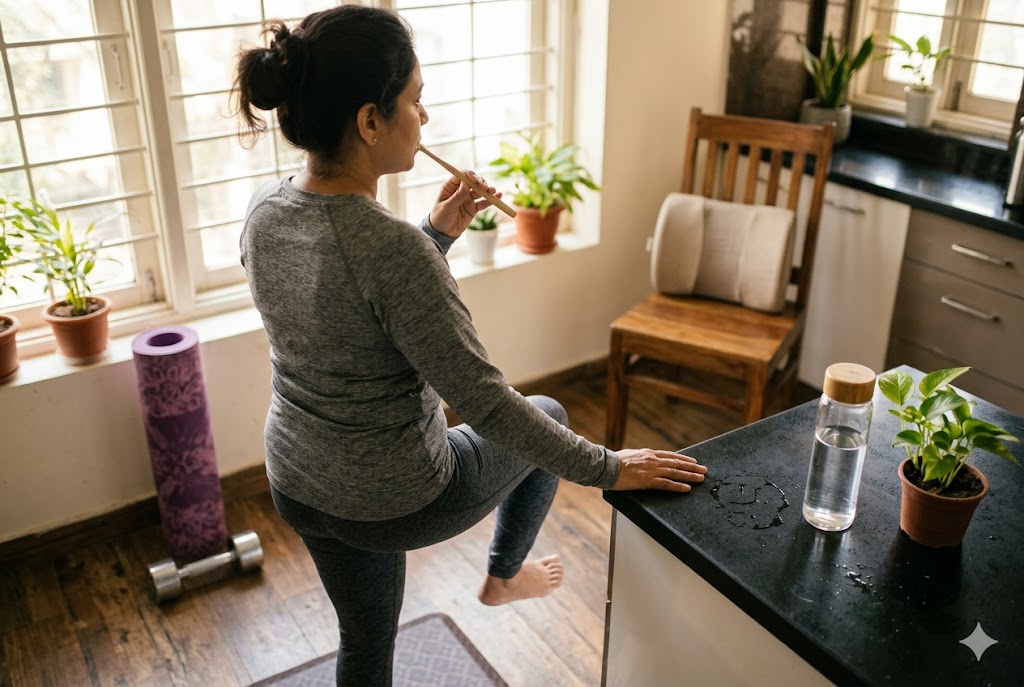
Small, consistent habits at home can make a meaningful difference for people managing ongoing musculoskeletal discomfort. Focusing on movement quality, recovery, and environment often reduces flare-ups and improves daily function. This article outlines approachable practices that fit into a regular routine without requiring special equipment. Use these ideas to create manageable progress over weeks and months.
Start with gentle, regular movement
Begin each day with short bouts of movement that target mobility rather than intensity. Simple joint circles, controlled reaches, and slow squats wake tissues and improve circulation without provoking pain. Aim for three to five minutes several times daily and increase duration gradually based on how you feel. Consistency matters more than intensity when the goal is steady improvement.
These micro-sessions help prevent stiffness and make later, longer workouts more comfortable. Keep movements pain-aware: mild discomfort is okay, sharp pain is a signal to stop and modify.
Prioritize easy strengthening and balance
Building strength around vulnerable joints supports function and reduces load on painful areas. Focus on low-load, high-control exercises such as standing hip bridges, wall push-ups, and single-leg stands. Perform two or three sets of controlled repetitions on alternate days, and increase difficulty slowly by adding repetitions or reducing support. Balance practice can be integrated into daily tasks like brushing teeth or waiting for the kettle.
Progress in small steps to avoid setbacks and maintain motivation. When strength improves, everyday activities feel easier and pain frequency often decreases.
Optimize recovery and the home environment
Recovery habits—sleep quality, hydration, and strategic rest—affect how well tissues handle daily stress. Adjust your workspace and seating to support neutral posture and reduce repetitive strain. Use short scheduled breaks to change position and perform a mobility reset, which prevents prolonged loading of the same structures. Simple items like a lumbar cushion or raised work surface can make daily tasks less taxing.
Regular recovery practices help your body adapt to increased activity over time. Small environmental adjustments add up and support sustained comfort.
Monitor progress and know when to adapt
Keep a brief log of activity, symptoms, and triggers to identify patterns and guide gradual changes. If a habit increases pain or limits function consistently, modify the activity or consult a qualified clinician for tailored advice. Use objective, modest goals such as adding one extra minute of movement each week to maintain momentum. Celebrate small wins to build confidence and adherence.
Tracking progress helps you refine what works and discard what doesn’t. Adaptation is the goal: small improvements compound into better daily function.
Conclusion
Consistent, gentle habits at home support lasting comfort and better movement. Prioritize small progressions, recovery, and an ergonomic environment. Over time these choices reduce flare-ups and improve daily function.