Consistent energy and steady recovery from food make home workouts more productive.
A simple meal framework reduces decision fatigue and helps you hit key nutrients each day.
This approach focuses on balance, timing, and portability so meals work around a busy routine.
Use templates rather than complex recipes to stay consistent and adapt as your goals evolve.
Principles of a Simple Meal Framework
Start by centering meals on a protein source, a moderate portion of carbohydrates, and vegetables or fruit for fiber and micronutrients. Healthy fats add satiety and should be included in sensible amounts so energy remains steady without excess calories. Timing matters: aim to eat a balanced meal 1.5–3 hours before most workouts and include a recovery-focused snack or meal within about an hour afterward. Hydration and salt balance are simple, often overlooked factors that support performance and recovery.
These principles create a repeatable structure that suits most schedules and goals. They are flexible enough to scale for lighter or heavier training days.
Three Daily Meal Templates
Keep three easy templates in rotation: a breakfast emphasizing protein plus a whole grain and fruit, a lunch built around a lean protein, mixed vegetables and a grain or starchy side, and a dinner centered on protein and vegetables with a smaller carbohydrate portion. Each template is intentionally broad so you can swap chicken for beans, rice for sweet potato, or seasonal produce to keep variety. On heavier training days increase carbohydrate portions slightly or add an extra recovery snack to replenish glycogen stores.
Using templates simplifies grocery lists and makes meal decisions faster. Over time you can tune portion sizes to match energy needs and progress.
Snack and Recovery Choices
Snacks bridge energy gaps and accelerate recovery when planned around workouts. Favor combinations that pair protein with a quick carbohydrate, such as Greek yogurt with fruit, whole-grain toast and nut butter with banana, or a small smoothie with protein. After longer or intense sessions include a more substantial recovery meal that blends protein, carbohydrates, and some vegetables to support repair.
- Pre-workout: small banana with almond butter.
- Post-workout: yogurt with granola and berries.
- Between meals: hard-boiled eggs and carrot sticks.
Choose portable options you enjoy so snacking supports rather than derails your routine. Pack or pre-portion items to reduce temptation and speed preparation.
Practical Grocery and Prep Tips
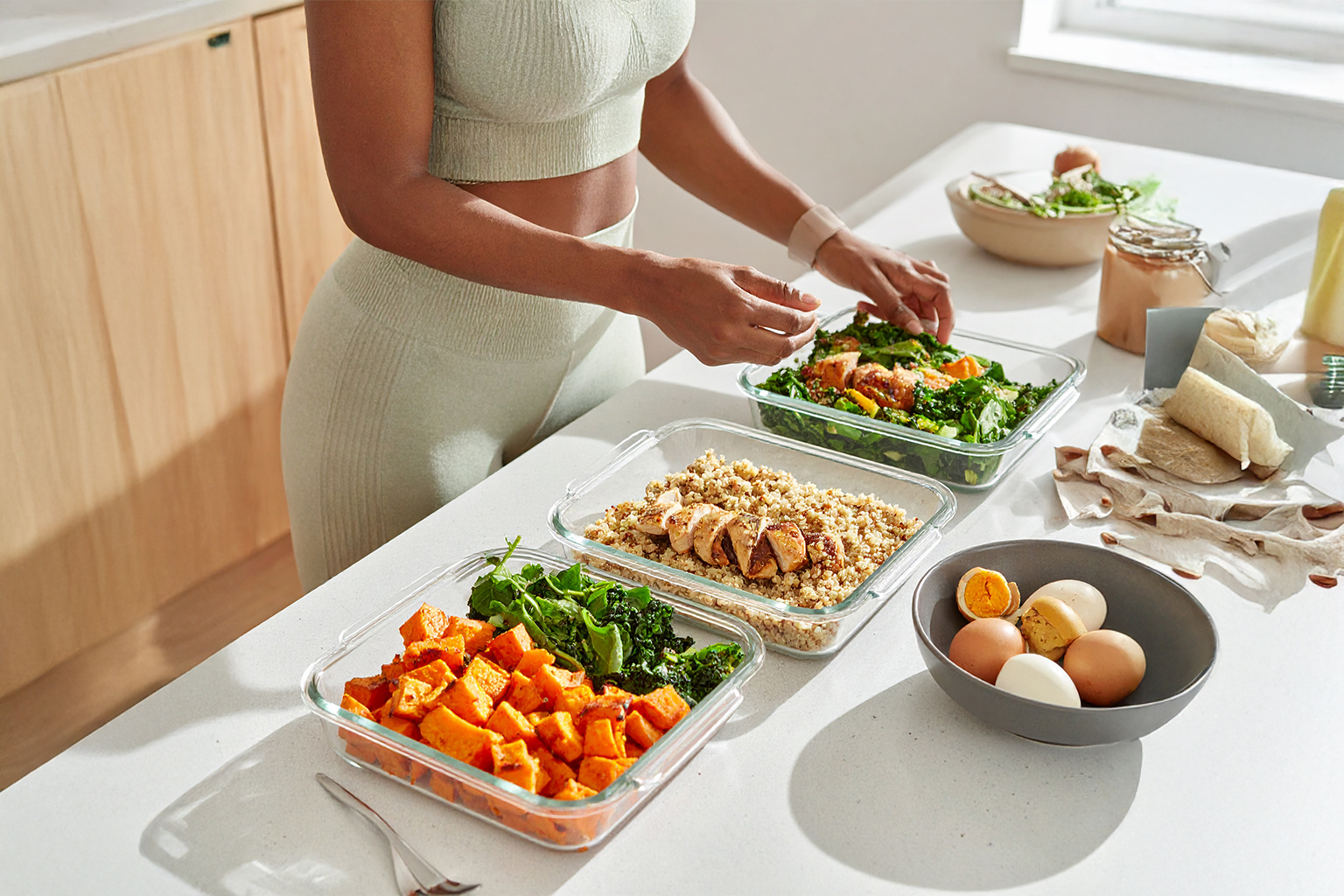
Build a short, repeatable shopping list that covers your templates: a few proteins, one or two grains, several vegetables, fruit, and a healthy fat source. Batch-cook proteins and grains once or twice weekly and use frozen vegetables to save time without sacrificing nutrients. Invest in simple containers so portioning and grabbing meals becomes automatic on busy days.
Efficient prep reduces reliance on convenience foods and keeps your framework sustainable. Small planning habits compound into consistent fueling over weeks and months.
Conclusion
Simple meal frameworks remove friction and make consistent fueling realistic.
They balance protein, carbs, and vegetables while allowing flexibility for busy schedules.
Use templates, plan snacks, and prep ahead to support better energy and recovery for home workouts.