

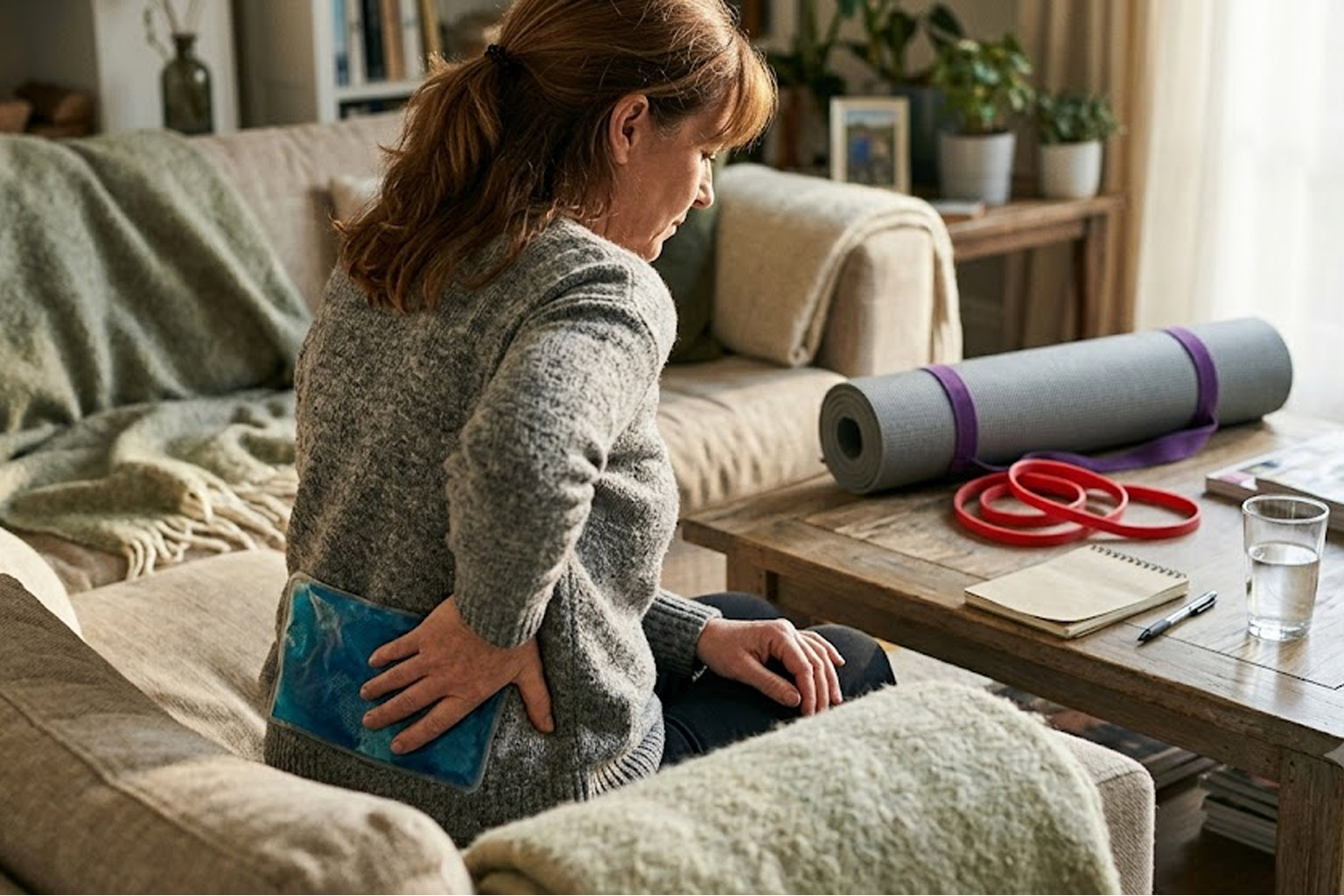
Living with persistent pain changes daily routines and well-being, but small informed steps at home can make a meaningful difference. This article outlines practical, evidence-informed approaches you can adopt safely without overcomplicating your schedule. It focuses on movement, sleep, stress management, and knowing when to seek medical input. Use these strategies as complementary measures, not replacements for professional diagnosis or ongoing care.
Understanding Persistent Pain
Persistent pain is often maintained by a mix of physical, emotional, and social factors rather than a single structural issue. Recognizing patterns — such as flare-ups after resting too long or increased sensitivity during stress — helps target daily habits that contribute to discomfort. Education about pain mechanisms can reduce fear and improve engagement with gentle activity. Small shifts in mindset and behavior can gradually lower pain intensity and improve function.
Safe Movement and Functional Exercise
Regular, graded movement is central to reducing persistent pain and restoring confidence in using the body. Start with low-impact activities like walking, swimming, or gentle stretching, and increase duration or intensity slowly to avoid flare-ups. Focus on functional exercises that mimic everyday tasks to build resilience rather than aiming only for strength or endurance gains. Consistency matters more than intensity when retraining the nervous system and improving mobility.
Improving Sleep and Stress Habits
Poor sleep and chronic stress amplify pain perception and hinder recovery, so addressing these areas is essential for symptom control. Establish a calming evening routine, limit screens before bedtime, and keep sleep times consistent to support restorative sleep. Incorporate brief relaxation practices during the day — breathing exercises, progressive muscle relaxation, or short mindfulness pauses — to reduce physiological arousal. Over time, better sleep and lower stress levels help decrease baseline pain sensitivity and improve coping.
Practical Pain Management Tools at Home
Several simple tools and techniques can provide symptom relief and support daily function without heavy cost or complexity. – Use heat or cold packs strategically to ease localized muscle tension or acute flare-ups. – Practice paced activity: break tasks into shorter segments with planned rests to avoid overexertion. – Maintain posture and ergonomic adjustments for work and household tasks to reduce strain.
Combining these tools with movement and sleep hygiene creates a practical self-care routine that supports long-term improvement. Small, repeatable actions tend to be more sustainable and effective than sporadic intense efforts.
Conclusion
Persistent pain responds best to gradual, consistent self-care that addresses movement, sleep, and stress together. Start with manageable changes and track what helps, adjusting plans with professional advice when needed. These everyday practices can improve function and quality of life over time.










