

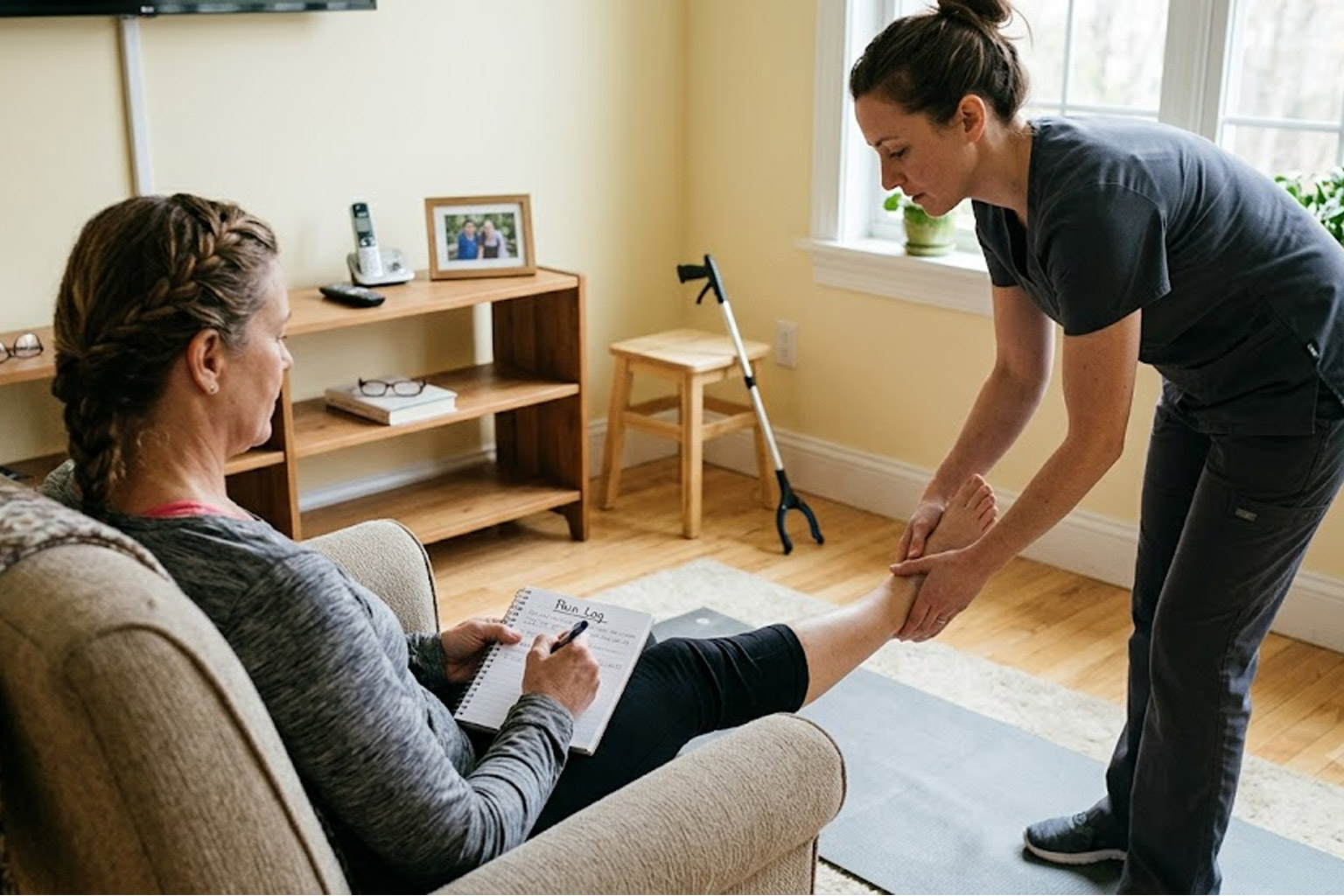
Living with ongoing pain requires a thoughtful approach that balances activity, rest, and environment. Developing a sustainable routine at home can improve mobility, reduce flare-ups, and support mental well-being. Small, consistent changes often produce better results than intense but irregular efforts. This article outlines practical, evidence-informed steps you can adapt to your daily life.
Understand your pain patterns
Begin by observing when pain worsens and when it eases, noting activities, time of day, and posture. A short daily log helps identify triggers like prolonged sitting, bending, or certain household tasks. Understanding patterns lets you prioritize changes that address real contributors rather than guessing. Over time this data guides safer activity progression and reduces unnecessary fear of movement.
Introduce consistent, gentle movement
Regular, low-impact movement strengthens supporting muscles and maintains joint flexibility without provoking flare-ups. Aim for short sessions multiple times a day rather than a single long workout, and include stretching, balance work, and gentle strengthening. Progress gradually, increasing duration or intensity only when pain stays controlled.
– Start with 5–10 minutes of mobility work after waking and before bed.
– Incorporate daily walks, chair exercises, or water-based movement if accessible.
Finish each session with relaxation techniques such as diaphragmatic breathing or progressive muscle relaxation to reduce tension and promote recovery. These brief cooldowns can lower pain sensitivity and improve sleep quality, supporting long-term consistency.
Adjust your home environment
Small ergonomic changes can significantly reduce strain during daily tasks and minimize painful episodes. Consider work surface heights, seating support, and how frequently you bend or reach for items. Simple tools like a supportive chair, grabbers, or a small stool can change movement patterns for the better. Lighting and clutter reduction also prevent awkward postures and sudden movements that aggravate symptoms.
– Rearrange frequently used items to waist height to avoid repetitive bending.
– Use non-slip mats and stable footwear indoors to protect joints during movement.
Combine modifications with mindful pacing: break tasks into shorter intervals and alternate activities to avoid overload. These adjustments reduce cumulative stress on tissues and make routines more sustainable.
Track progress and adapt
Set realistic, measurable goals such as increasing active minutes or reducing reliance on rest breaks. Review your pain log weekly and celebrate small gains while adjusting strategies that aren’t working. Flexibility in planning allows you to respond to flare-ups and prevents discouragement. Using objective measures like step counts or timed movement sessions can help maintain motivation.
Know when to involve professionals
If pain escalates despite consistent home strategies or includes new symptoms like numbness or weakness, consult a clinician for assessment and tailored guidance. A physical therapist can provide personalized exercises and manual techniques, while other specialists can address medication management or diagnostic needs. Early professional input helps refine your routine and ensures safety during progression.
Conclusion
A sustainable home routine blends observation, gentle movement, and environmental adjustments to control pain and improve function. Consistency, gradual progression, and occasional professional input make routines effective and resilient. Start small, track results, and adjust as needed to build lasting benefit.










