

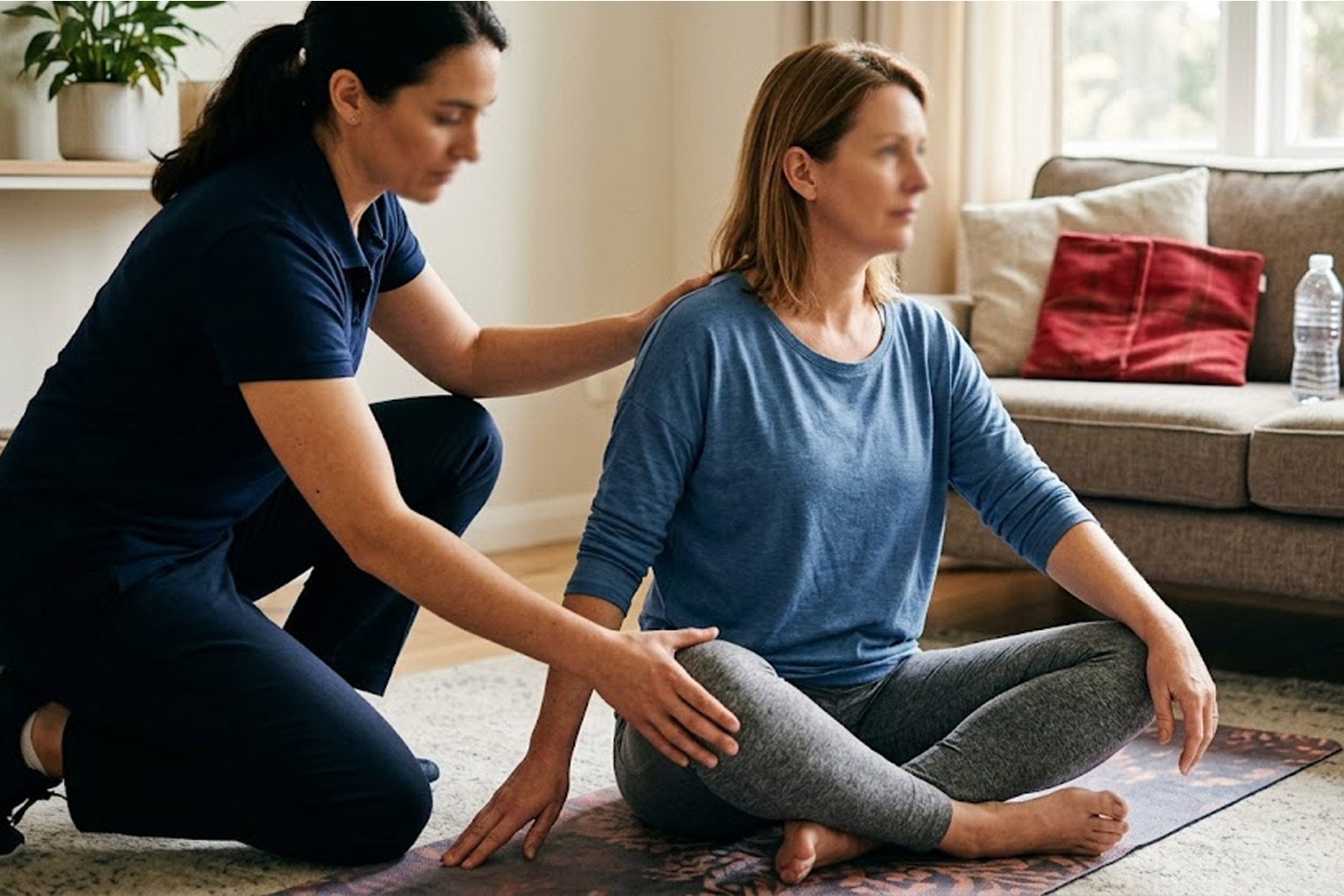
Living with ongoing discomfort changes how you plan your days and prioritize activity. Small, consistent habits at home can reduce flare-ups and improve function without intensive interventions. This article outlines approachable routines that blend movement, recovery, and monitoring so you can build sustainable relief. It focuses on practical steps you can implement today to support long-term comfort and mobility.
Understanding Persistent Discomfort
Persistent discomfort often arises from a mix of tissue sensitivity, movement patterns, and lifestyle factors. Recognizing that pain is a signal rather than a direct measure of harm helps you approach activity with cautious confidence. Education about pacing and graded exposure reduces fear and supports gradual gains in tolerance. Working with a clinician to form a baseline plan makes at-home routines safer and more effective.
Designing Gentle Movement Habits
Movement is a cornerstone of managing persistent discomfort, but intensity and duration matter more than perfection. Start with short, frequent sessions of low-impact activities like walking, gentle stretching, or range-of-motion exercises that target stiff areas. Aim to progress slowly — increase time or repetitions by small increments each week to prevent setbacks. Consistency matters more than one intense session, so build habits around times you can reliably commit.
Home Recovery and Ergonomics
Recovery strategies and a supportive environment reduce daily strain and encourage healing. Simple changes to how you sit, sleep, and lift can lower mechanical stress that contributes to flare-ups. Incorporate practical tools and routines that fit your home life without disruption.
– Adjust chairs and work surfaces so joints are neutral and supported.
– Use heat or cold thoughtfully to manage symptoms after activity.
– Schedule short breaks during repetitive tasks to reset posture.
Pair these environmental adjustments with restorative practices such as brief breathing exercises and progressive relaxation to lower tension. These habits complement movement work and make sustained activity more achievable.
Monitoring Progress and Adapting Plans
Track symptoms, activity levels, and what triggers improvements or setbacks to refine your routine over time. A simple diary or app noting pain intensity, sleep quality, and activity can reveal patterns and keep motivation high. When progress stalls, consider reducing load slightly and focusing on mobility or technique before increasing intensity. Regularly reassess goals with a clinician or therapist to ensure your approach remains appropriate and safe.
Conclusion
Gentle, structured routines at home can meaningfully reduce persistent discomfort and improve daily function. Focus on consistent low-intensity movement, supportive recovery habits, and careful monitoring to guide gradual progress. Small, sustainable changes often yield the most reliable long-term benefits.










