Home workouts are convenient but bring everyday hazards that are easy to overlook.
A few simple adjustments can reduce trip risks, equipment failures, and strain.
This article explains common problem areas and practical fixes you can implement today.
Use these checks to create a consistent, lower-risk environment for regular training.
Identify common household hazards
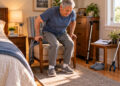
Start by scanning the room for trip hazards such as loose rugs, trailing cords, or cluttered walkways. Small items like toys, shoes, or water bottles are common culprits that interrupt movement and cause falls. Pay attention to uneven thresholds and furniture edges that sit in exercise paths. Regularly clear and reorganize the space before each session to make movement predictable.
Routinely removing obstacles reduces unexpected stops and balance challenges. Keep frequently used items in designated spots.
Choose safe equipment and proper flooring
Select equipment that suits your space and skill level; oversized machines or unstable props increase injury risk. Check that mats provide adequate grip and cushioning for the activities you plan, and replace worn gear. If using free weights, store them securely on racks to avoid rolling hazards. Inspect resistance bands for frays and replace anything compromised.
Quality gear matched to your routine prevents accidents and improves confidence. Budget solutions can be effective when chosen thoughtfully.
Improve lighting, ventilation, and clear sightlines
Good lighting helps you maintain form and see hazards, so avoid dim corners and strong backlighting that creates glare. Position lights to illuminate the entire workout area and consider portable lamps for poorly lit spaces. Proper ventilation reduces fatigue and dizziness during intense sessions, improving safety. Also ensure sightlines are clear so mirrors or windows do not distract or blind you.
A well-lit, ventilated room supports both performance and safety. Small investments in lamps or fans often make a big difference.
Prioritize movement quality and warm-ups
Warming up raises core temperature and primes joints, lowering the chance of strains and sudden injuries. Focus on mobility and control rather than rushing into heavy loads or fast movements. Use progressive loading and maintain technique even when tired; fatigue changes movement patterns and increases injury risk. Record or mirror your sessions occasionally to catch form breakdowns early.
Consistent attention to movement quality prevents small issues from becoming injuries. Slow progress beats frequent setbacks.
Set rules and emergency readiness
Establish simple rules like no footwear that slips, no multitasking with devices, and clear time blocks for training to minimize interruptions. Keep a basic first-aid kit accessible and know how to pause or modify exercises when pain appears. Share your workout plan with household members so they avoid the area during sessions. Consider keeping a charged phone nearby in case you need help.
Preparedness and communication reduce the severity of incidents and speed recovery. These habits also help build a safer training culture at home.
Conclusion
Small changes to your space and routine substantially lower injury risk.
Regular checks and mindful practice protect both progress and wellbeing.
Start with one adjustment today and build safer habits over time.