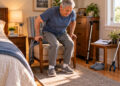
Starting safe is essential when exercising at home to reduce the risk of acute injuries and chronic strain. This article offers a practical framework you can apply to any space and fitness level. It focuses on assessing your surroundings, choosing appropriate equipment, building solid movement habits, and making small environment adjustments. Follow these steps to create a routine that supports consistency and long-term wellbeing.
Assessing Your Space and Equipment
Before a single rep, take time to survey the room where you’ll train, looking for obstacles, slippery floors, and low light. Measure or mentally note the clear floor area required for your typical movements and ensure furniture or cords are out of the way. Select basic equipment that fits your space and goals — a stable mat, appropriate shoes, and minimal free weights or resistance bands are often enough. Check equipment for wear and keep an easy-access storage plan to prevent tripping or clutter.
- Clear a comfortable training area free of hazards.
- Choose footwear or matting that provides stable footing.
- Store weights and gear where they won’t be tripped over.
A quick space and gear inspection before each session dramatically lowers the chance of avoidable accidents. Making assessments habitual saves time and keeps focus on the workout itself.
Warm-Up, Progression, and Technique
A targeted warm-up increases joint mobility and primes muscles, reducing strain when intensity rises. Progress workouts in small, measurable steps by adding reps, load, or time incrementally to let your body adapt. Prioritize form over quantity; slow, controlled movements reveal weak links that can be strengthened safely. When uncertain, scale an exercise or substitute a simpler variation until technique is reliable.
Consistent progression and mindful technique deliver better long-term results than sporadic high-intensity pushes. Building patience into your routine preserves movement quality and reduces injury risk.
Daily Habits and Environment Adjustments
Small daily habits like staying hydrated, getting adequate sleep, and moving regularly between sessions support recovery and reduce cumulative strain. Simple environmental tweaks — improved lighting, non-slip mats, and an easy-to-clean floor — also make workouts safer and more appealing. Use timers and reminders to avoid rushed sessions that tempt poor form or skipped warm-ups. If others share the space, set clear boundaries and etiquette to prevent interruptions that can lead to unsafe situations.
Over time, these modest routines and adjustments compound into a safer, more sustainable home fitness practice. Investing a few minutes each day in environment and habit pays off in fewer setbacks and steadier progress.
Conclusion
Building safety into your home exercise routine is as much about habits and environment as it is about workouts. Regular checks, measured progression, and simple adjustments make a big difference. Use these practical steps to train confidently and consistently.