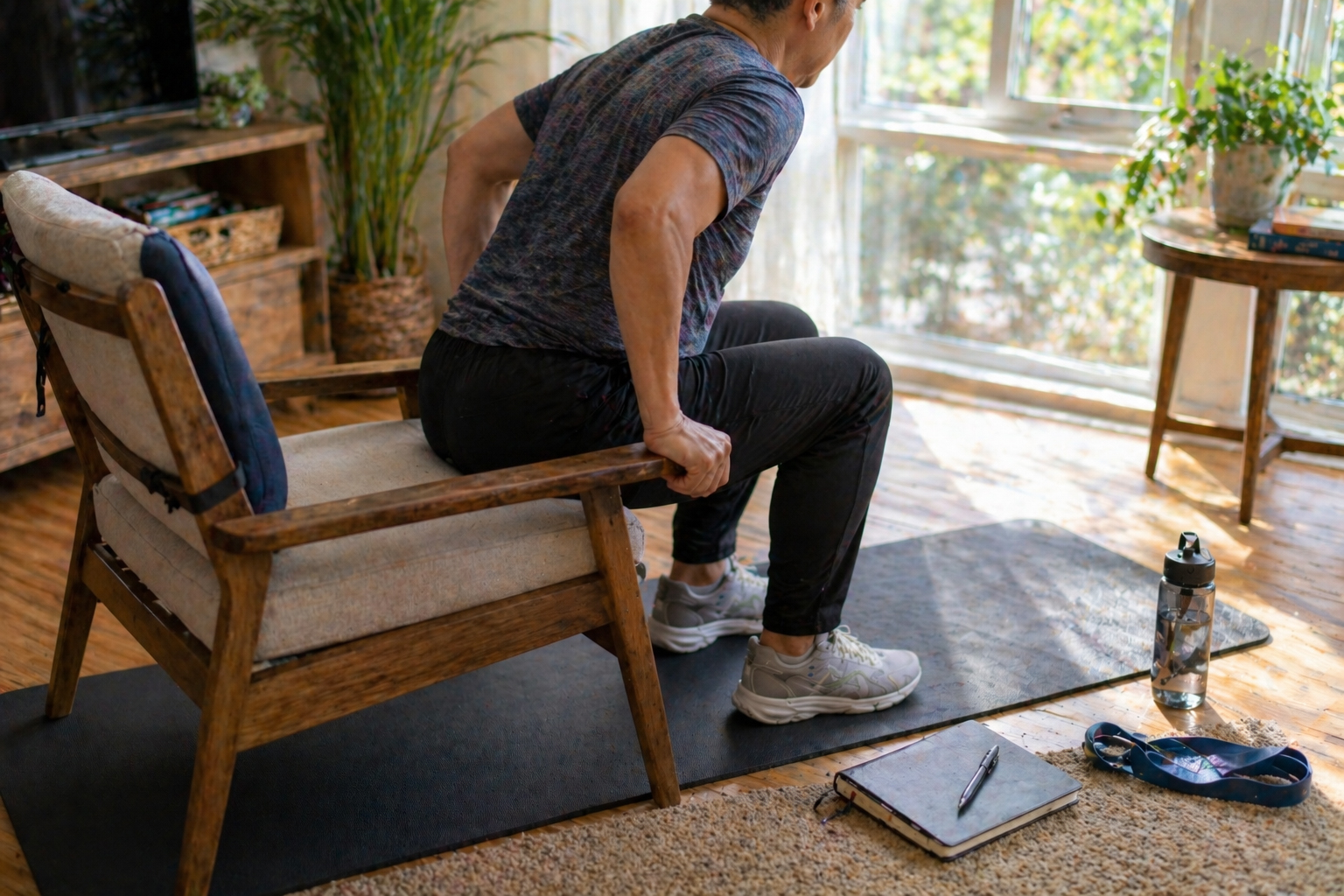
Consistent, low-impact routines at home can reduce musculoskeletal discomfort and improve daily function without aggressive interventions. Building a simple plan that values movement variety, gentle strength, and sensible rest helps protect joints and muscles over time. Small, repeatable practices are easier to maintain and can prevent flare-ups when tailored to individual limits. This article outlines practical principles and actions you can adopt at home to support gradual, lasting improvement.
Creating sustainable habits requires clear goals, realistic pacing, and attention to comfort. Start modestly and adjust based on how your body responds.
Principles of a Low-Impact Routine
Focus on movement quality rather than quantity, and prioritize pain-free ranges of motion. Gentle activities like walking, controlled transfers, and mobility drills maintain tissue nutrition and joint glide without overloading structures. Integrate short sessions multiple times per day instead of long, strenuous workouts to reduce cumulative stress. Emphasize posture, breathing, and alignment to minimize unnecessary strain during everyday tasks.
- Consistency over intensity: aim for regular, achievable sessions.
- Progress slowly: increase duration or challenge by 5–10% weekly.
Adhering to these principles helps form a safe foundation for more specific exercises and habits. They also make it easier to return to activity after setbacks.
Daily Movement and Strength Choices
Select low-impact strength moves that support functional tasks, such as sit-to-stand, heel raises, and supported squats. Use bodyweight, light resistance bands, or household items to build endurance without high joint loads. Incorporate mobility work for the hips, thoracic spine, and shoulders to complement strength and reduce compensatory patterns. Schedule brief sessions around daily routines—morning mobility, mid-day strength, and gentle evening stretching—to maintain momentum.
Aim for 10–20 minutes per session and prioritize variety to address different tissues. Track small gains like increased ease with specific movements to stay motivated.
Environment, Pacing, and Recovery
Optimize your home setup to support safe movement: stable chairs, non-slip surfaces, and reachable storage reduce awkward postures. Use pacing strategies by alternating activity with planned rest and applying simple self-care like heat, cold, or relaxation techniques for symptom control. Monitor response to activity using a pain and function diary to guide gradual adjustments and prevent overexertion. Seek professional advice when progress stalls or symptoms change unexpectedly.
Recovery matters as much as activity; prioritize sleep, hydration, and gentle loosening after prolonged sitting. These adjustments make daily movement less taxing and more sustainable.
Conclusion
Low-impact home routines that balance mobility, light strength, and sensible rest can reduce ongoing musculoskeletal discomfort and improve function. Start small, stay consistent, and adjust based on your body’s feedback to build resilience over time. With simple changes to movement and environment, long-term relief is achievable and sustainable.