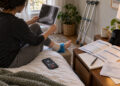
Small, regular movement patterns around the home can reduce stiffness and improve daily comfort when applied consistently. Introducing brief, purposeful loops of activity helps distribute load, prevent prolonged positions, and rebuild confidence in movement. This article explains why micro-routines work, offers practical loop examples you can use in common spaces, and shows how to adapt surroundings to make them sustainable. Followable steps and simple monitoring will keep progress steady without overwhelming your schedule.
Understanding small habitual movement loops
Movement loops are short sequences of gentle actions repeated through the day to interrupt sedentary stretches and promote circulation. They prioritize ease, consistency, and gradual progression rather than intensity, so they are safe for most people managing chronic musculoskeletal discomfort. Well-designed loops reduce the cumulative strain on tissues and help recalibrate how the nervous system responds to activity. Over time these micro-patterns support improved mobility and fewer pain flare-ups by keeping joints lubricated and muscles engaged.
Start by noting times you sit or stand for long periods and plan a loop to fit that context. A predictable, short routine is more likely to stick than a long, infrequent exercise session.
Practical movement loops to try at home
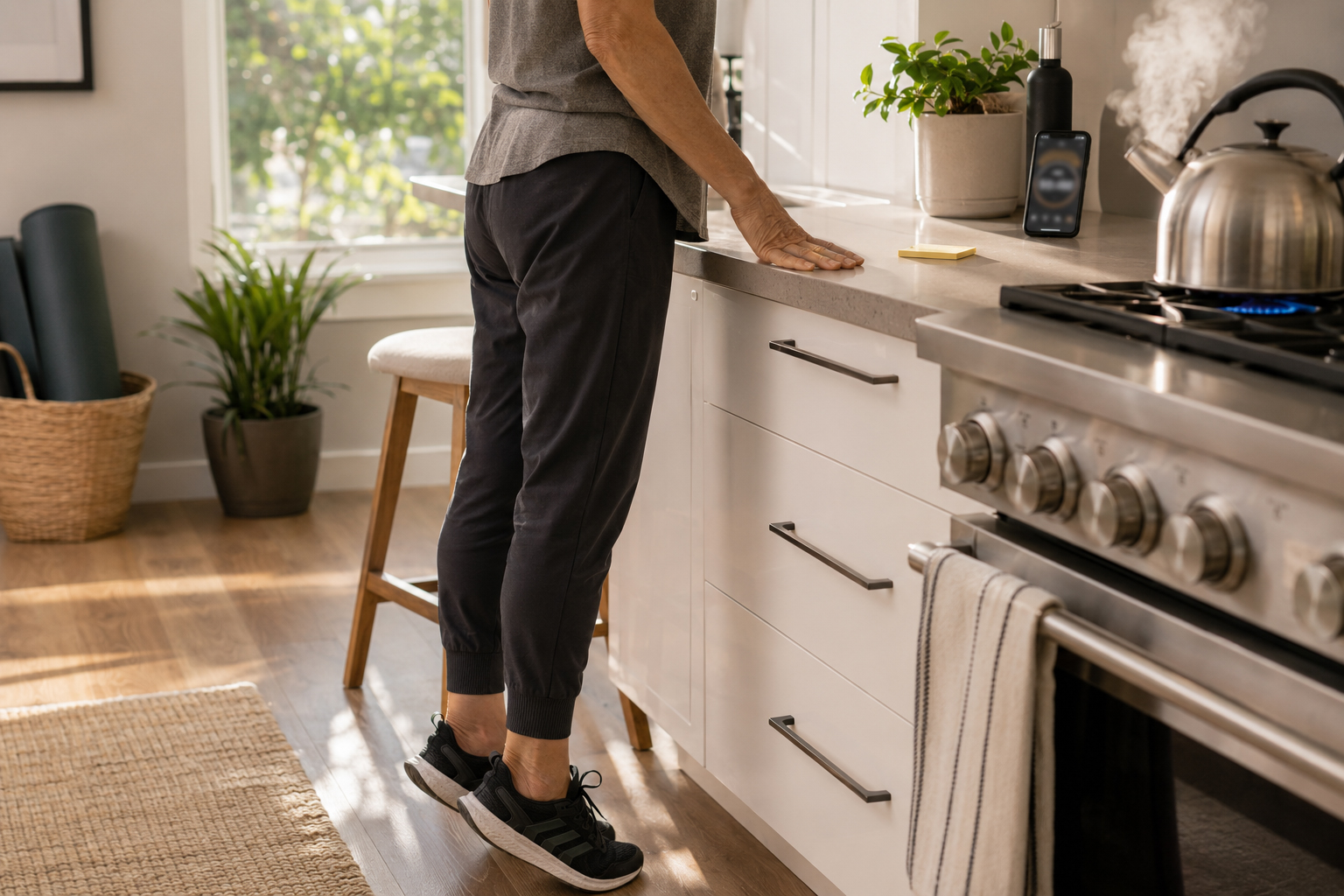
Choose loops that match your typical day: transitions between tasks, moments while boiling water, or breaks during remote work all work well. Each loop should take one to three minutes and include slow, controlled movements that open and close joints or engage opposing muscle groups. Consistency matters, so link a loop to an environmental cue like a kettle whistle or a phone notification to make it automatic. Progress by increasing repetitions or adding light range-of-motion across weeks rather than days.
- Kitchen loop: calf raises at the counter, gentle hip circles, shoulder rolls.
- Desk loop: seated trunk twists, neck mobility, brief standing calf stretch.
- Evening loop: ankle pumps, gentle knee bends, diaphragmatic breathing.
Keep loops simple and adaptable; swap movements to suit pain levels and available space.
Adapting home spaces and schedules
Small environmental tweaks make loops easier to perform consistently and reduce friction to act. Place prompts where you need them, adjust chair height to support neutral posture, and schedule fixed mini-breaks into your calendar to cue activity. Clear pathways and an uncluttered setup reduce the risk of compensatory movements that increase strain. Lighting, a supportive chair, and easy footwear also help preserve comfort during repeated practice.
Pair environmental changes with a realistic schedule and accept slow, steady gains rather than immediate fixes.
Monitoring progress and adjusting loops
Track what you do and how you feel after loops to identify helpful patterns and avoid repeat triggers. Use a simple log or app to note duration, perceived effort, and any symptom changes; this guides safe progression. If a movement increases pain, pause and consult a qualified professional for tailored advice rather than pushing through. Gradual titration based on consistent feedback keeps adaptations safe and effective over time.
Celebrate small wins like reduced stiffness or more consistent adherence, and revise loops every few weeks to maintain challenge and benefit.
Conclusion
Short, repeated movement loops embedded into daily life reduce cumulative strain and support steady comfort. Simple environmental cues and realistic scheduling make habits stick and allow safe progression. Over weeks, these routines can restore confidence in movement and improve everyday function.