Recovering balance after a medical setback often depends on consistent, gentle practice that fits into daily life. Small, intentional movements build confidence and reduce the risk of setbacks when repeated regularly. This article outlines practical principles and simple adaptations to make home routines effective and sustainable. Use these ideas as a starting point and adapt them to your recovery pace.
Principles of a Gentle Routine
Focus on consistency, progression, and safety when designing exercises for balance recovery. Begin with short sessions multiple times a day rather than one long session, and increase difficulty gradually as comfort improves. Prioritize functional movements that relate to everyday tasks like standing, reaching, and turning. Monitor symptoms and adjust intensity to avoid overexertion.
- Start with 5–10 minute sessions and add time gradually.
- Use stable support, such as a chair or countertop, for initial exercises.
- Include rest and recovery in the daily plan.
These principles help reduce fear of falling and encourage regular practice. A predictable routine fosters measurable progress without overwhelming the body.
Practical Exercises and Pacing
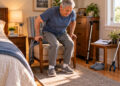
Choose low-impact movements that challenge balance without causing pain. Examples include weight shifts, heel-to-toe standing, gentle marches in place, and seated leg raises to rebuild strength. Start with 8–12 repetitions or 15–30 seconds per exercise, and repeat two to three times per session. Incorporate breathing and focus on controlled movement to maintain form and safety.
- Weight shifts: shift weight from one foot to the other while holding support.
- Heel-to-toe: walk a short line placing heel to toe for stability practice.
- Seated stands: rise from a chair using arm support if needed, then reduce assistance over time.
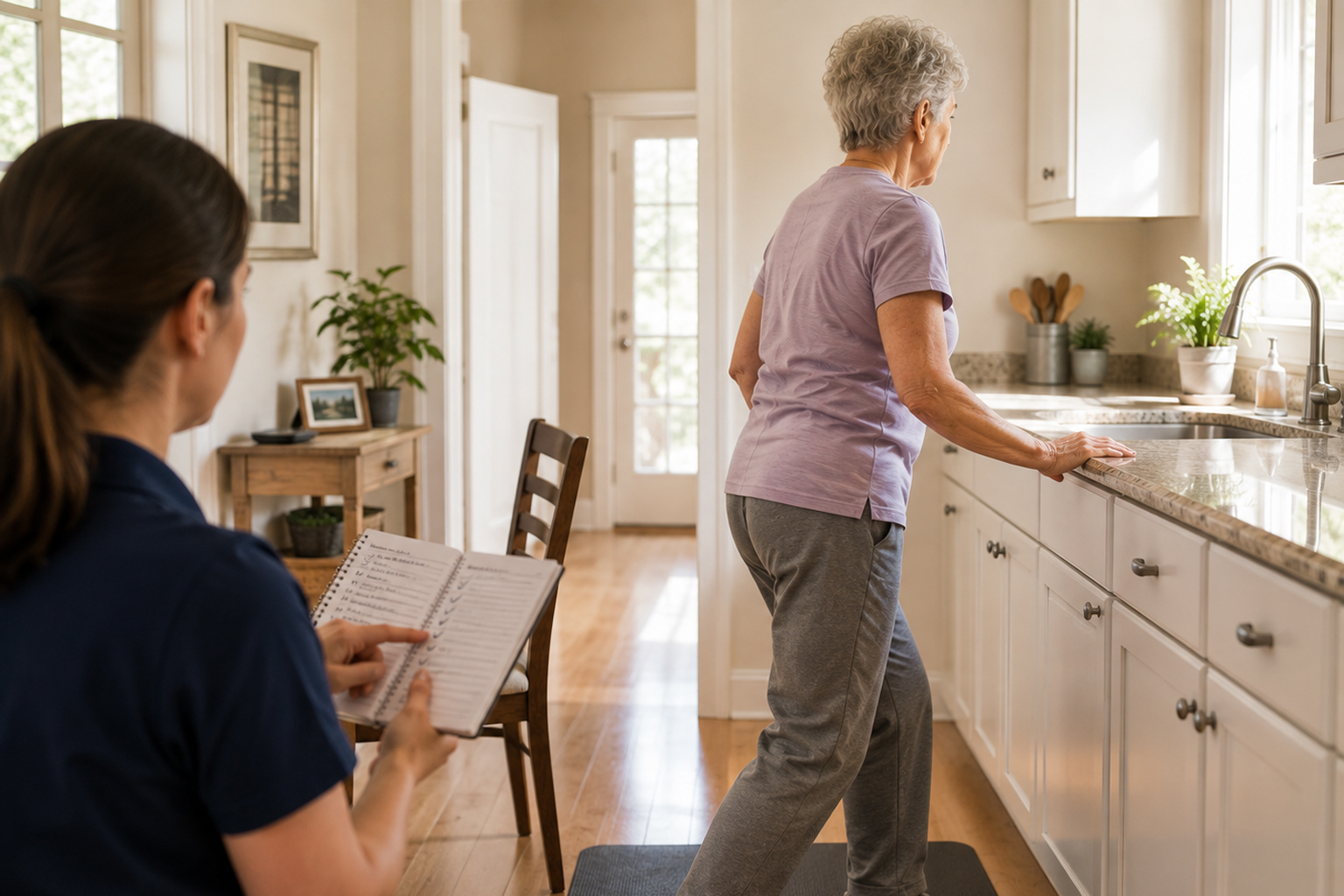
Pace progression by adding small increments each week, such as longer hold times or one extra repetition. Track exercises in a simple journal to notice gains and adjust goals.
Adapting Your Environment
Small changes at home create a safer practice space and reduce hazards that undermine balance. Clear walkways of loose rugs, cords, and clutter, and ensure adequate lighting in frequently used areas. Position sturdy supports near chairs and in hallways to provide safe places to steady yourself when needed. Consider non-slip mats where surfaces can become slippery and keep frequently used items within easy reach.
- Move furniture to create clear practice paths.
- Add night lighting for safer movement after dark.
Environmental tweaks remove common obstacles and make daily mobility safer and less stressful. A well-prepared home supports independence and steady progress.
Conclusion
Gentle, regular routines paired with simple home adjustments can significantly improve balance and confidence. Start small, prioritize safety, and increase challenges slowly as strength returns. Consistent practice and sensible pacing are the foundation of steady recovery.