Recovering mobility after an illness or procedure often depends on simple, consistent habits practiced at home. Small routine changes can significantly lower fall risk and improve confidence with everyday movement. This article outlines practical steps that blend environmental adjustments with brief daily exercises. The aim is realistic progress that fits into normal days and encourages steady gains.
Assessing Home Hazards
Begin by walking through common living areas with the perspective of someone with reduced strength, balance, or endurance. Look for loose rugs, cluttered walkways, trailing cords, and dimly lit stair edges. Evaluate furniture height and stability, especially seating used for standing up and sitting down. A quick assessment highlights easy fixes that eliminate frequent trip or slip causes.
- Remove small rugs or secure them with non-slip pads.
- Clear pathways and relocate cords out of walking routes.
- Improve lighting with brighter bulbs and night lights along hallways.
Addressing these issues often requires minimal cost and effort, yet yields immediate safety benefits. Prioritise fixes that affect daily routes like bedroom to bathroom paths.
Daily Balance and Strength Habits
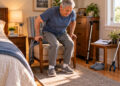
Short, regular practice supports recovery more than occasional long sessions. Focus on gentle balance drills, sit-to-stand repetitions, and basic leg strengthening done two to three times daily. Breathing and posture awareness during these activities enhances stability and reduces compensatory strain. Integrating exercises into routine tasks—such as standing on one foot while brushing teeth—makes adherence easier.
- Heel-to-toe walking for 20–30 seconds.
- Sit-to-stand: 8–12 slow repetitions from a sturdy chair.
- Mini squats or supported calf raises using a countertop.
Keep sessions brief and consistent to avoid fatigue and maintain motivation. Gradually increase repetitions or duration as comfort and strength improve.
Tools and Support for Safer Movement
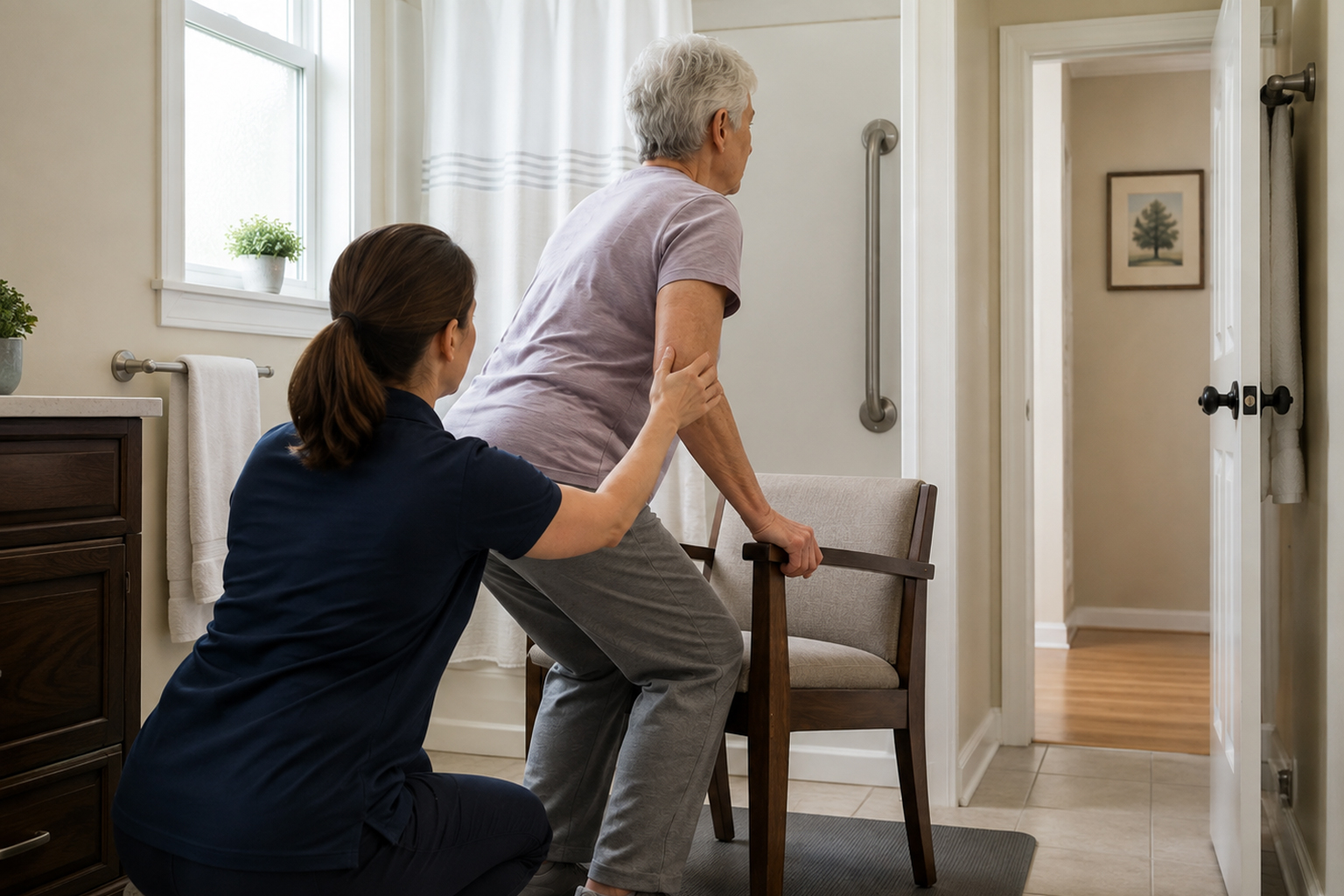
Practical aids and social supports can make daily routines safer while recovery progresses. Non-slip mats, grab rails by the shower, and a stable chair with armrests reduce risk during common activities. Consider scheduled check-ins from family, neighbors, or community services to assist with higher-risk tasks. Professional input from a physical therapist can tailor tools and exercises to individual needs.
- Install grab bars near toilets and in showers.
- Use night lights and contrast tape on steps if vision is reduced.
- Keep commonly used items at waist height to avoid unnecessary bending.
Select aids that match current ability and revisit choices as mobility changes. Combining physical supports with social oversight creates a safer recovery environment.
Conclusion
Small, daily actions and a safer environment greatly reduce fall risk. Consistency with short balance and strength habits builds capability over time. Pairing simple home changes with practical supports speeds recovery and preserves independence.