Living with ongoing musculoskeletal pain often requires thoughtful daily adjustments to preserve function and comfort.
Small, sustainable habits at home can reduce flare-ups and improve quality of life over time.
A steady focus on gentle movement, pacing, and environment helps maintain progress without overwhelming the body.
This article outlines practical, adaptable steps to build resilience and reduce the burden of persistent pain.
Assessment and Planning
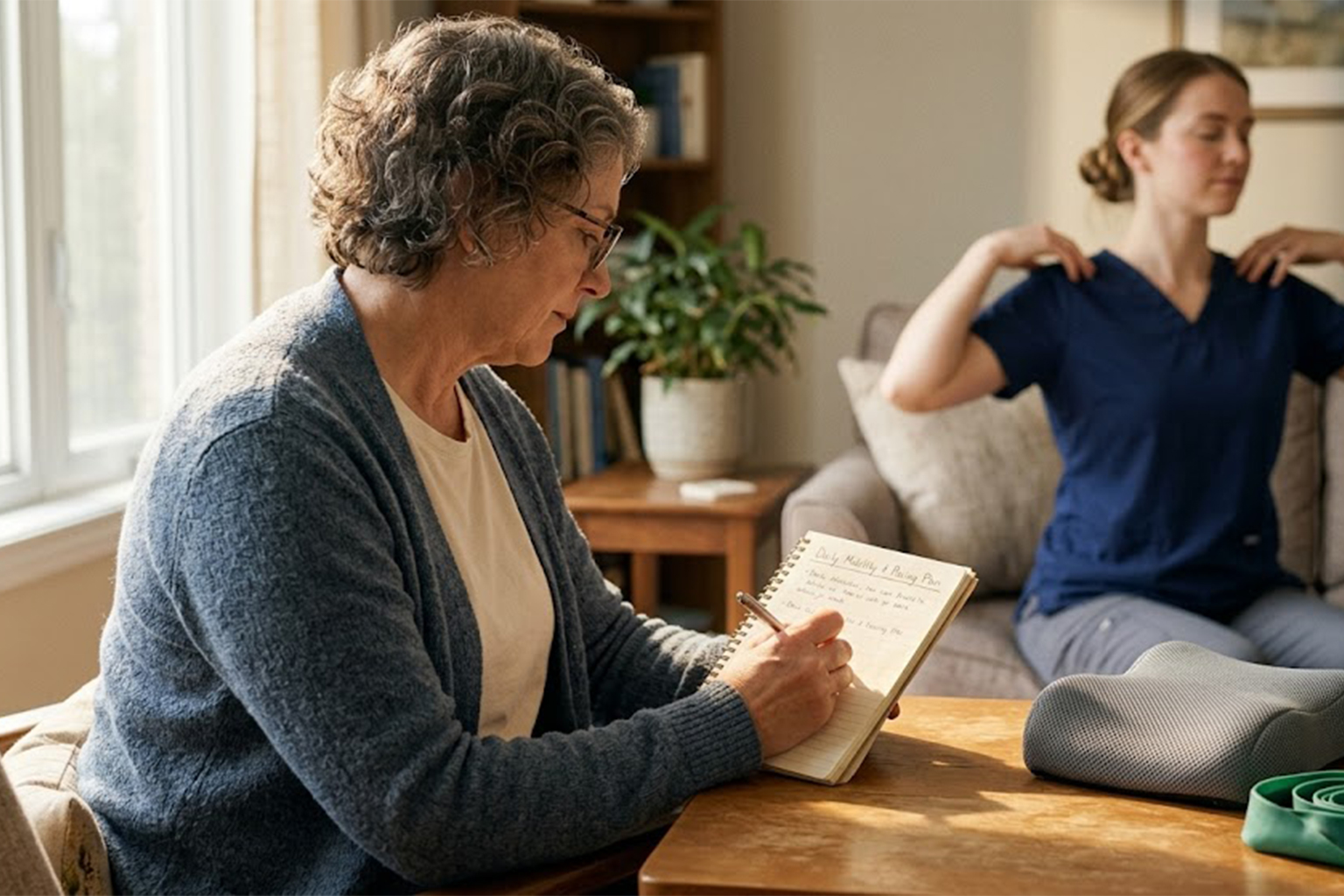
Start by observing which activities trigger pain and which provide relief, keeping a simple log for a week to spot patterns and limits. Assess your home layout and routine to identify opportunities to reduce strain, such as work surface height or frequently used items. Set realistic, measurable goals that prioritize function over perfection, like increasing standing tolerance by a few minutes per day. Involving a clinician virtually or in person can help refine the plan and ensure safe progression.
Plan short, consistent sessions rather than infrequent intense efforts to lower the risk of setbacks. Revisit goals weekly and adjust based on symptoms and daily demands.
Gentle Movement and Strength
Regular gentle movement maintains mobility and reduces stiffness, while targeted strengthening supports joints and reduces load on painful tissues. Focus on low-impact activities such as controlled range-of-motion exercises, light resistance moves, and balance work that can be done seated or standing. Prioritize form and pain-free ranges; small improvements in control and endurance add up over weeks. Use breath, timing, and mindful attention to avoid holding tension and to build tolerance gradually.
- Short morning mobility routine (5–10 minutes) to ease stiffness.
- Two to three brief strength sets every other day targeting key areas.
- Frequent micro-breaks during prolonged sitting or repetitive tasks.
Consistency matters more than intensity; aim for achievable frequency and celebrate small gains to sustain motivation.
Environment, Pacing, and Self-Care
Adjusting the home environment reduces unnecessary strain: optimize seating, lighting, and frequently used item placement to minimize reaching and awkward postures. Pacing strategies—breaking tasks into manageable steps and alternating activity with rest—help prevent overexertion and subsequent flares. Incorporate simple self-care tactics like heat, cold, supportive sleep positions, and relaxation techniques to modulate symptoms. Social support and routines that protect sleep and nutrition also influence pain resilience and recovery.
Adopt tools and small modifications that align with daily routines so changes stick and become automatic rather than burdensome additions.
Conclusion
Building gentle, consistent home habits helps reduce flare-ups and restore function over time.
Focus on realistic goals, gradual progression, and practical environmental changes to support daily living.
With patience and small adjustments, it is possible to improve comfort and maintain independence.