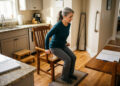
Living with persistent musculoskeletal pain often requires a practical, measured approach at home. Small changes in movement, rest, and daily habits can reduce discomfort and improve function over time. This article outlines gentle practices you can use safely and consistently to build mobility and manage pain. The focus is on gradual progress, simple modifications, and habits that fit into everyday life.
Principles of gentle movement
Gentle movement emphasizes regular, low-impact activity that maintains joint range and eases stiffness without provoking flare-ups. Aim for consistent short sessions rather than infrequent intense workouts, and choose motions that feel controlled and predictable. Pay attention to body signals—mild soreness after activity is normal, but sharp or worsening pain warrants scaling back. Consistency and variety—combining movement, breathing, and relaxation—help nervous system regulation and longer-term tolerance.
Begin sessions with a brief warm-up such as easy walking or joint circles to prepare tissues. Ending with gentle stretching and slow breathing supports recovery and reduces tension.
Building sustainable progressions
Progression means small, measurable increases in duration, range, or resistance over weeks rather than days. Track one variable at a time—add one to two minutes, a few extra repetitions, or slightly greater range before increasing intensity. Prioritize quality of movement over quantity; precise form reduces compensations that can cause other issues. Integrating functional tasks that mirror daily activities helps translate gains into improved everyday function.
- Increase walking time by one to three minutes twice per week.
- Add one bodyweight squat or step-up when movement feels stable.
- Use light resistance bands for one to two extra repetitions every few sessions.
Keep a simple log to notice patterns and to celebrate small improvements. When progress stalls, consider varying the stimulus or consulting a clinician for tailored guidance.
Home environment and pacing
A supportive home setup reduces unnecessary strain—optimize chair height, use supportive footwear, and keep frequently used items within easy reach. Break longer tasks into shorter intervals with planned rest and movement breaks to avoid fatigue-related pain increases. Apply practical aids like cushions, timers, or a small stool to maintain better posture during tasks. Pacing means balancing activity and rest so you maintain function without triggering extended setbacks.
Simple adjustments often have immediate benefits and encourage more movement overall. Regularly reassess your environment as symptoms and abilities change.
When to seek professional help
If pain is rapidly worsening, limits basic activities, or is accompanied by new neurological signs, seek professional assessment promptly. Therapists can provide individualized exercise progressions, manual techniques, and strategies for flare-up management. An informed care plan supports safer progression and helps identify medical issues that need attention.
Use professional advice to refine at-home routines rather than replace self-management entirely. Combining professional guidance with consistent home practice yields the best long-term results.
Conclusion
Gentle, consistent home practices form a practical foundation for improving mobility and reducing persistent pain. Focus on small progressions, mindful pacing, and simple environmental adjustments that support daily function. Over time these habits can restore confidence in movement and reduce the burden of chronic discomfort.