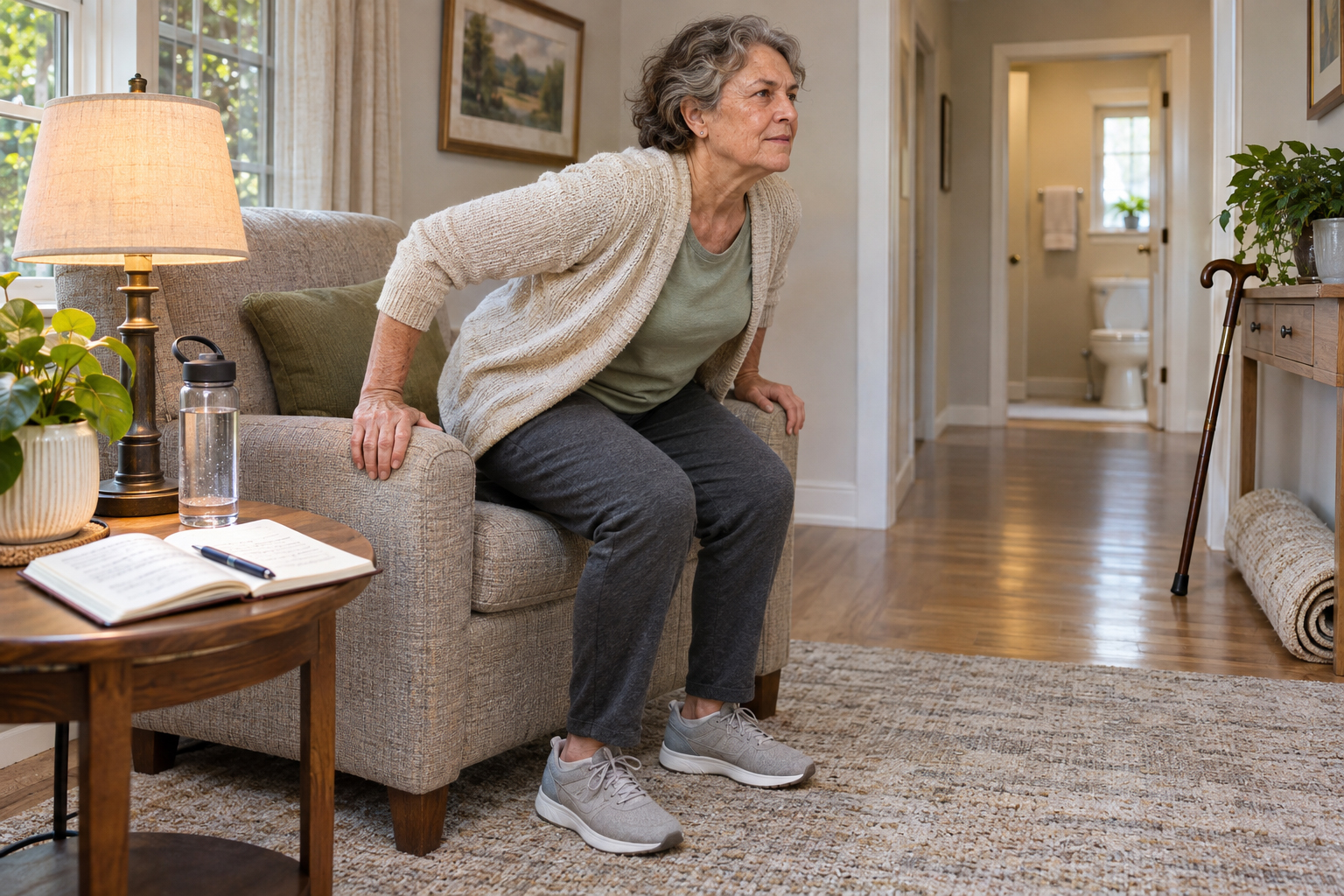
Recovering movement after an illness or procedure is rarely about big leaps; it’s about consistent, manageable steps. Focus on routines you can repeat safely in the rooms where you live and sleep. Small improvements in balance, strength, and confidence compound faster than intermittent hard pushes. Keep the emphasis on safety, simplicity, and steady progress.
Begin with short, focused sessions
Short bouts of movement—five to fifteen minutes—reduce fatigue and lower the chance of painful setbacks while still stimulating recovery. Choose two or three brief sessions a day rather than one long effort; this allows the body to adapt without overwhelming it. Simple standing shifts, controlled sit-to-stand repetitions, and gentle range-of-motion exercises are often enough to start. Track what you do in a notebook or app so you can build slowly and objectively.
These small sessions also make it easier to prioritize good technique over quantity. Consistency beats intensity when healing is ongoing, and short sessions are easier to maintain long term.
Arrange your home to support safe movement
Tiny changes in the environment reduce risk and encourage movement. Clear walkways, add a steady chair with armrests for transfers, and place frequently used items within easy reach. Remove loose rugs and keep floors dry; good lighting at night prevents sudden trips. These adjustments let you practice movement without worrying about avoidable hazards.
- Keep a clear path from bed to bathroom.
- Use a firm chair for balance practice.
- Place a small lamp within reach for nighttime trips.
Adaptations don’t need to be permanent or expensive; think of them as temporary scaffolding that lets you rebuild strength and confidence safely.
Listen to your body and pace progress
Notice how your breath, pain levels, and fatigue change during activity. Mild discomfort that eases quickly is often normal; sharp pain, dizziness, or prolonged worsening are signals to pause and adjust. Use a simple rule: progress when you feel slightly challenged, pause when symptoms spike, and rest when recovery needs it. This attitude protects gains and reduces the need to restart programs.
Keeping a daily log of sensations and activity helps identify patterns and guides sensible adjustments. Small, measurable improvements are more reliable than pushing through unpredictable setbacks.
Build confidence with everyday tasks
Integrate movement into ordinary routines—stand while making coffee, practice weight shifts while brushing teeth, or take short, deliberate walks during chores. These choices turn rehabilitation into habit without adding separate burdens to your day. Repeating functional tasks builds both strength and practical confidence, which is essential for independent living. Aim for purposeful movement rather than exercise for its own sake.
By making movement relevant to daily life, you’re more likely to keep it up and see steady improvement. Small, useful actions add up to meaningful recovery.
Conclusion
Start small, keep sessions short, and make your home a safe practice space.
Pay attention to signals and adjust pace when needed.
Over time, tiny, consistent moves restore both ability and confidence.