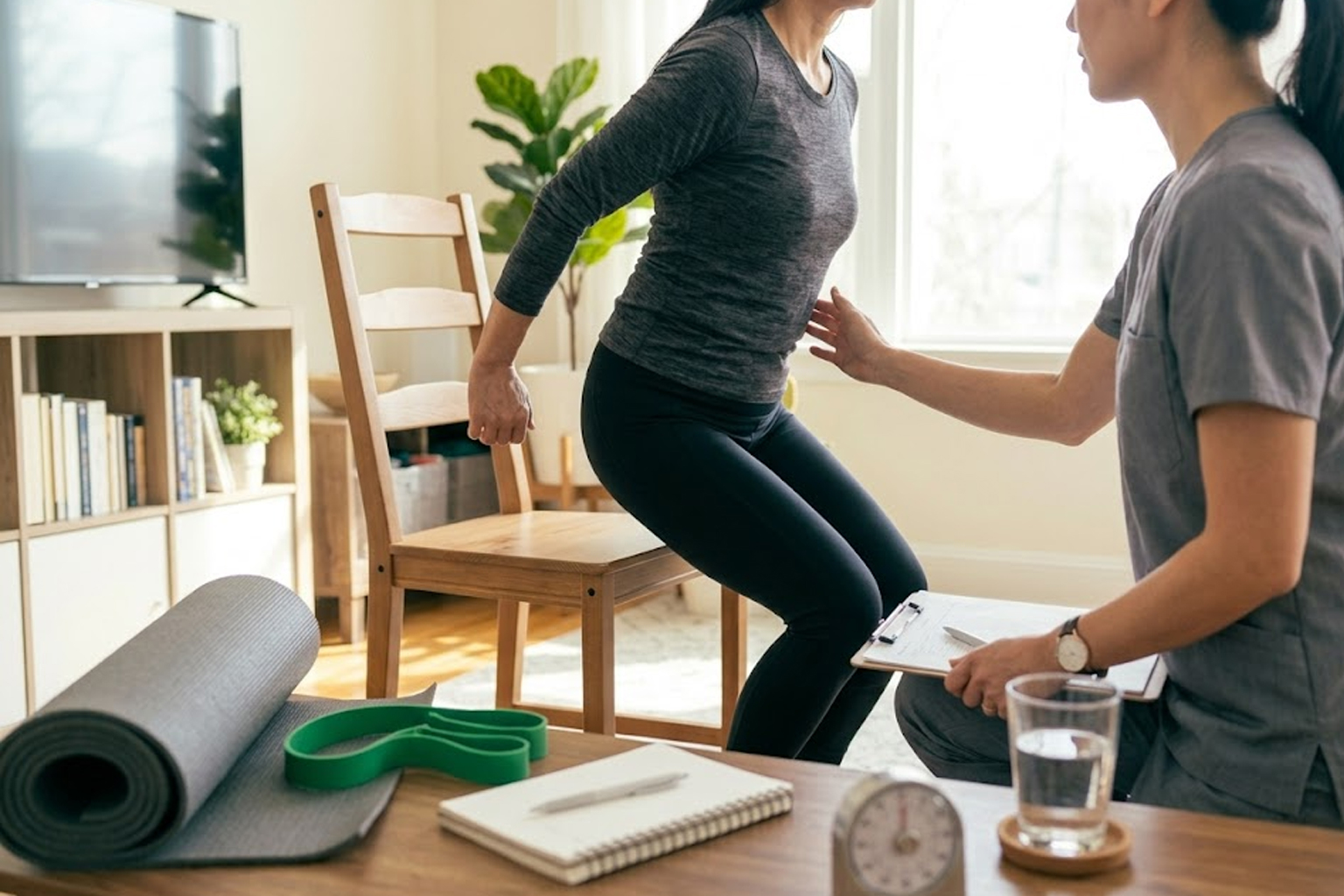
Establishing consistent, gentle movement at home can steadily improve comfort and function for people with long-standing musculoskeletal pain. Small progressions, predictable pacing, and simple environmental adjustments reduce strain while promoting confidence. This article outlines practical steps you can adopt at home without specialist equipment. Follow these ideas to support gradual improvement and fewer setbacks over time.
Movement Basics: Prioritize Neutral Posture and Micro-Movements
Start by learning a neutral posture that minimizes stress on joints and muscles during common tasks. Incorporate short micro-movements—brief, controlled motion repeated several times—throughout the day to prevent stiffness and maintain circulation. These actions are low cost in effort but high value in preserving range and reducing sensitivity over time. Keep sessions short and frequent rather than long and intense to avoid provoking symptoms.
Apply this approach when rising from chairs, bending, or reaching to make daily tasks less demanding. Regular checks of posture and deliberate small motions help normalize movement patterns and build resilience.
Progressive Strength: Low-Impact Exercises to Build Support
Introduce gentle strength work that targets the muscles supporting vulnerable areas, using bodyweight, resistance bands, or household items. Focus on 2–3 functional movements like sit-to-stand, modified heel raises, and gentle rows, performed in sets that feel manageable. Progress by adding repetitions or a few extra seconds under tension rather than increasing load quickly, and allow recovery days between sessions. Consistency matters more than intensity for long-term gains and pain reduction.
Track small milestones—more repetitions, steadier balance, or less morning stiffness—to stay motivated and adjust the plan realistically. Gradual strengthening reduces reliance on passive measures and supports everyday activities.
Managing Flare-Ups and Recovery Strategies
Even with careful progression, occasional flare-ups occur; plan simple responses such as pacing activities, prioritizing sleep, and brief gentle mobility routines. Use easy strategies like temporary activity modification, icing or heat depending on preference, and prioritizing relaxation techniques to lower muscle guarding. Reintroduce regular progressions once pain settles, scaling back to the last comfortable level before resuming increases. Having a clear, stepwise recovery response reduces fear and prevents extended setbacks.
Create a weekly rhythm that blends movement, rest, and enjoyable activities so recovery becomes predictable rather than disruptive. Small predictable routines support adherence and sustained improvement.
Conclusion
Daily gentle progressions, thoughtful pacing, and simple recovery plans build long-term comfort and function. Prioritize consistency and realistic milestones rather than fast fixes to reduce flare-ups and gain confidence. Over time, these steady steps create a more resilient, active daily life.