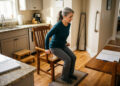
Living with persistent musculoskeletal discomfort often feels like balancing activity with careful rest. A calibrated home routine uses small, measurable steps to rebuild function without provoking flare-ups. The goal is steady improvement: modest increases in movement, predictable recovery, and attention to habits that support resilience. This article outlines why gradual routines work and how to design sustainable practices you can keep at home.
Why calibrated routines help
Consistent, modest changes reduce the risk of overshooting capacity and triggering setbacks. When movement and load are increased in small, planned increments the nervous system and tissues adapt more reliably over time. Calibrated routines prioritize repeatability, so progress is measurable and confidence can grow. That steady approach also reduces the emotional strain that often accompanies unpredictable pain flares.
Adopting this mindset shifts focus from quick fixes to durable gains. It encourages monitoring and subtle adjustments, which are safer and more sustainable than sporadic intense efforts. Over weeks and months, small wins compound into meaningful improvements in daily function.
Designing your at-home progressions
Start by identifying baseline activities you can perform consistently without significant increase in symptoms the next day. Break goals into tiny, achievable steps that add a little more range, time, or resistance each week. Use simple metrics like number of repetitions, minutes of activity, or perceived effort to track change. Consistency matters more than intensity early on, so prioritize habits you can repeat most days.
Plan recovery into the routine: include gentle mobility, pacing breaks, and sleep-friendly habits to support tissue repair. When a step causes prolonged worsening, step back and reduce the increment before progressing again. This iterative approach keeps training within a tolerable window while still promoting adaptation.
Practical tips to maintain routines
Keep sessions short and predictable to reduce avoidance and build trust in movement. Use environmental cues—a set time, a dedicated mat, or a simple checklist—to make the routine automatic. Track progress with a brief log to celebrate small improvements and to identify patterns that need adjustment. Supportive elements like ergonomic seating, hydration, and regular gentle stretching help the routine function smoothly.
- Set one primary daily goal that is specific and measurable.
- Prioritize sleep and hydration to aid recovery.
- Adjust increments when symptoms persist for more than 48 hours.
These practical safeguards improve adherence and lower the chance of setbacks. Over time, they transform small actions into a dependable system for steady improvement.
Conclusion
Calibrated home routines focus on small, measurable progress that supports long-term gains. By combining consistent practice, sensible progression, and simple recovery strategies you can reduce flare-ups and rebuild function. The key is patience: sustained, modest steps often produce the most reliable improvements.