Recovering joint comfort and restoring function can feel slow, but practical daily habits make measurable differences. Small adjustments to movement, load and environment reduce flare-ups and support steady progress. This article outlines achievable steps you can apply at home without specialized equipment. The focus is on sustainable choices that respect pain, build capacity, and minimize setbacks.
Assess and prioritize movement
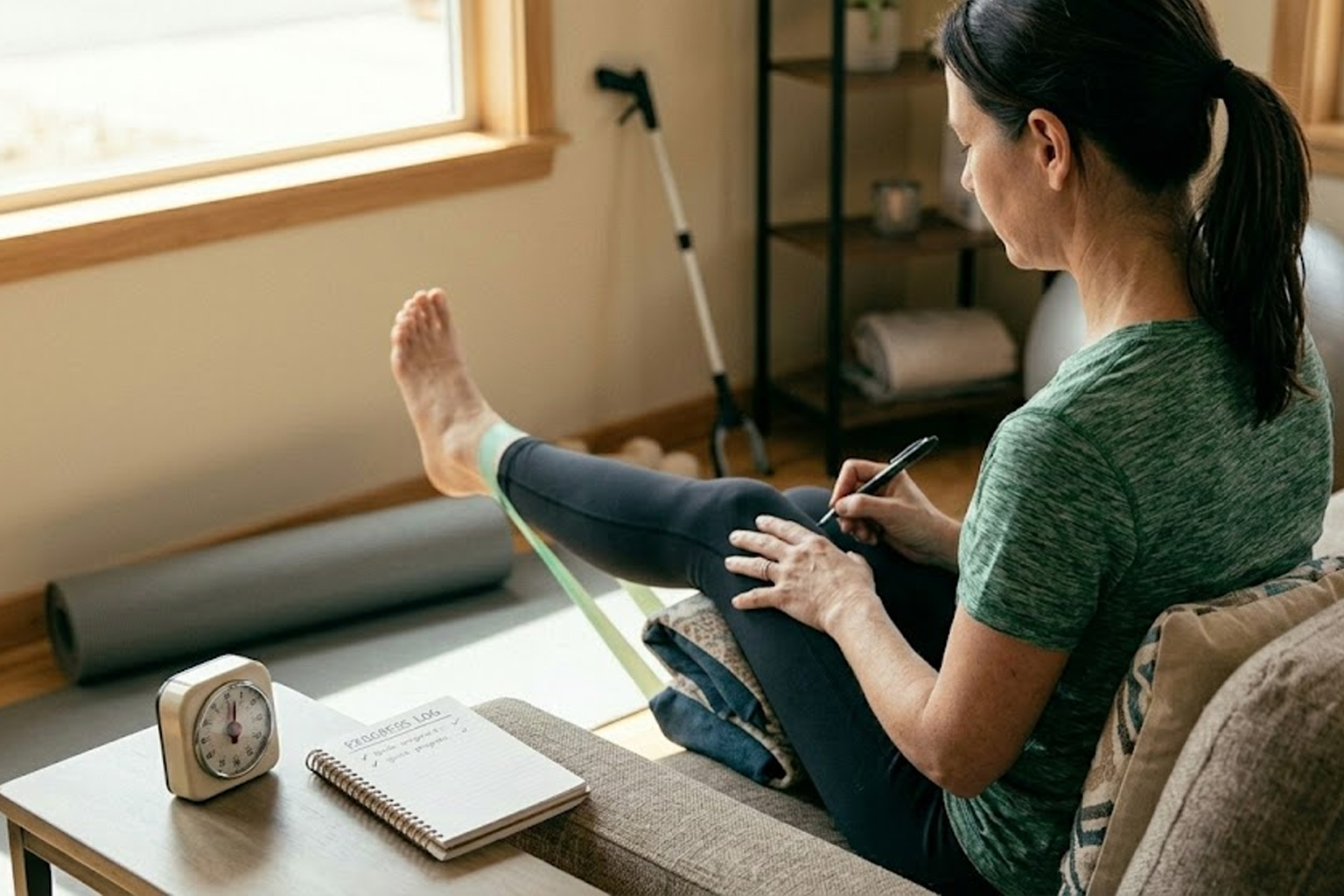
Begin by identifying which activities provoke discomfort and which ones feel manageable. Use a simple notebook or phone note to record patterns for a week so you can spot trends. Prioritizing tasks lets you protect sensitive structures while maintaining useful activity. This information forms the basis of gradual change.
Start with low-risk tasks and maintain those that support independence and quality of life. Clear priorities help you avoid unnecessary strain while staying active.
Gentle strengthening and load management
Targeted, low-load strengthening helps joints by improving muscular support and distributing forces more evenly. Choose controlled exercises with pain as a guide: a little discomfort is acceptable, but avoid activities that cause sharp or worsening pain afterward. Focus on consistency over intensity, progressing by small increments in sets, repetitions, or resistance. Integrating strength work two to three times weekly builds resilience without overloading tissues.
Conservatively increasing demand trains tissues to tolerate more activity. Regular, manageable challenges reduce sensitivity and improve function over months rather than days.
Pacing, micro-movements, and variety
Pacing prevents cumulative strain by alternating activity with scheduled rest and lighter tasks. Break prolonged positions with short mobility breaks and micro-movements to maintain circulation and joint glide. Vary movement patterns so the same tissues are not repeatedly loaded in the same way. Simple routines that mix standing, sitting, gentle range-of-motion, and strengthening minimize repetitive stress.
- Set a timer for short movement breaks every 30–60 minutes.
- Alternate heavier chores with lighter tasks or rest.
Intentional variety supports recovery and reduces the chance of flare-ups. Building these habits into daily life keeps progress steady.
Optimize your home environment
Adjusting the environment reduces unnecessary force on joints and makes movement safer and easier. Small changes like ergonomic seating, reachable storage, and non-slip surfaces cut down on awkward positions and compensatory patterns. Use tools such as long-handled aids or supportive mats selectively to decrease strain. Clear, organized spaces also reduce cognitive load and decision fatigue during recovery.
Thoughtful setup encourages efficient movement and lowers the barrier to consistent practice. Over time, these adjustments compound into meaningful functional gains.
Track progress and adapt
Monitor pain levels, functional tasks, sleep, and mood to gauge how your plan is working. Simple weekly check-ins help you notice slow improvements or recurring setbacks. When progress stalls, reassess load, variety, and recovery rather than pushing harder immediately. Small, data-informed adjustments prevent repeated flare-ups and support long-term improvement.
Regular review keeps the approach responsive and sustainable. A flexible plan tailored to your daily life increases the chance of lasting gains.
Conclusion
Consistent, measured changes at home build joint comfort and functional capacity over time. Prioritize gentle strengthening, pacing, and practical environment adjustments to reduce strain. Small, trackable steps lead to steady, durable improvements.