

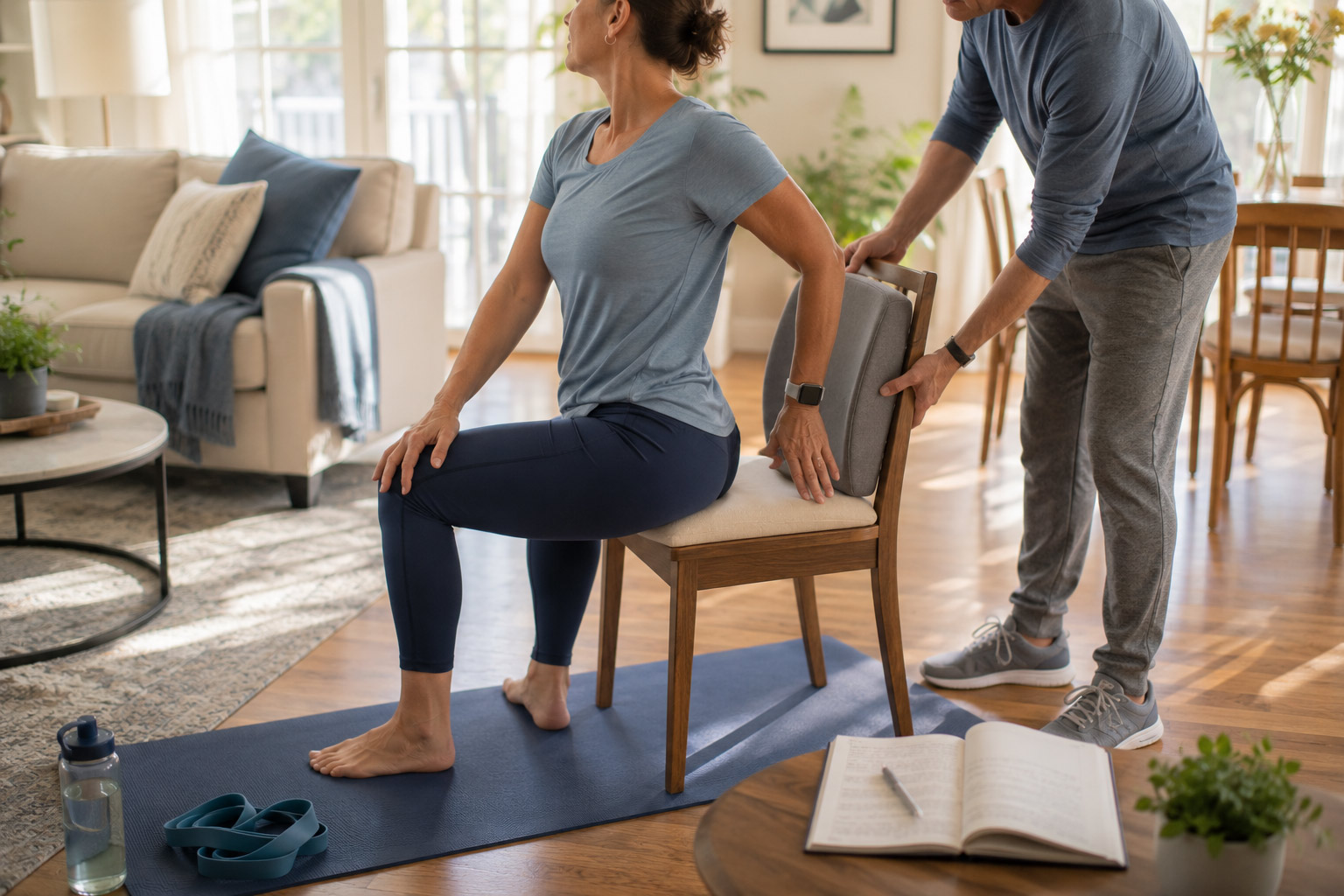
Living with ongoing pain often requires small, consistent changes that can be made at home.
This article outlines approachable strategies to reduce discomfort and support daily mobility.
The goal is practical guidance you can adapt without complex equipment or risky interventions.
Read through movement tips, environmental adjustments, and routine habits that make a measurable difference.
Understanding Pain Signals
Pain is not simply a sensation but a complex signal that can reflect tissue stress, inflammation, or heightened nervous system sensitivity. Learning to interpret patterns—such as activities, postures, or times of day that worsen symptoms—helps you design safer daily habits. A short symptom diary noting activity, pain level, and sleep can reveal trends and clarify what to change first. Over time, these observations allow you to prioritize interventions that offer the most relief with the least disruption.
Begin with modest adjustments and observe responses across several days to avoid chasing short-term fluctuations. Gradual monitoring reduces the chance of triggering a flare and builds confidence in self-management.
Movement and Gentle Exercise
Regular, controlled movement increases circulation, reduces stiffness, and can retrain the nervous system to tolerate activity more comfortably. Start with low-impact options and emphasize increasing duration before intensity so tissues adapt. Consistency matters: multiple short sessions each day often produce better tolerance than a single long session that leaves you sore. Always work within pain-free ranges and stop when you encounter sharp or unfamiliar sensations.
– Short walking sessions, seated marching, or light cycling can boost cardiovascular support without overstressing joints.
– Gentle stretching and mobility drills for the neck, spine, hips, and shoulders help preserve range and reduce stiffness.
– Light strengthening with bodyweight, resistance bands, or small weights improves joint stability and supports everyday tasks.
Pair movement with relaxed breathing and pacing strategies to help modulate pain perception and improve endurance. Track progress by noting distance, repetitions, or time rather than focusing only on pain levels.
Creating a Supportive Home Routine
Thoughtful environmental adjustments and predictable routines reduce cumulative strain and support recovery across the day. Evaluate seating height, workstation setup, and mattress support to prevent prolonged awkward positions that worsen symptoms. Schedule regular micro-breaks to reset posture, hydrate, and perform brief mobility exercises that interrupt stiffness. Incorporate calming evening rituals, like light stretching and screen limits, to enhance sleep quality and daytime coping.
Enlist household members to help reassign tasks when pain flares and consider simple aids—cushions, grab bars, or ergonomic tools—that reduce effort. Small, consistent changes often compound into meaningful improvements.
Conclusion
Home-based approaches combine awareness, gentle movement, and environment tweaks to lessen pain’s impact on daily life.
Small, consistent adjustments and careful monitoring let you safely expand activity and function over time.
Use gradual progress, realistic goals, and supportive routines to build sustainable comfort and mobility.










