

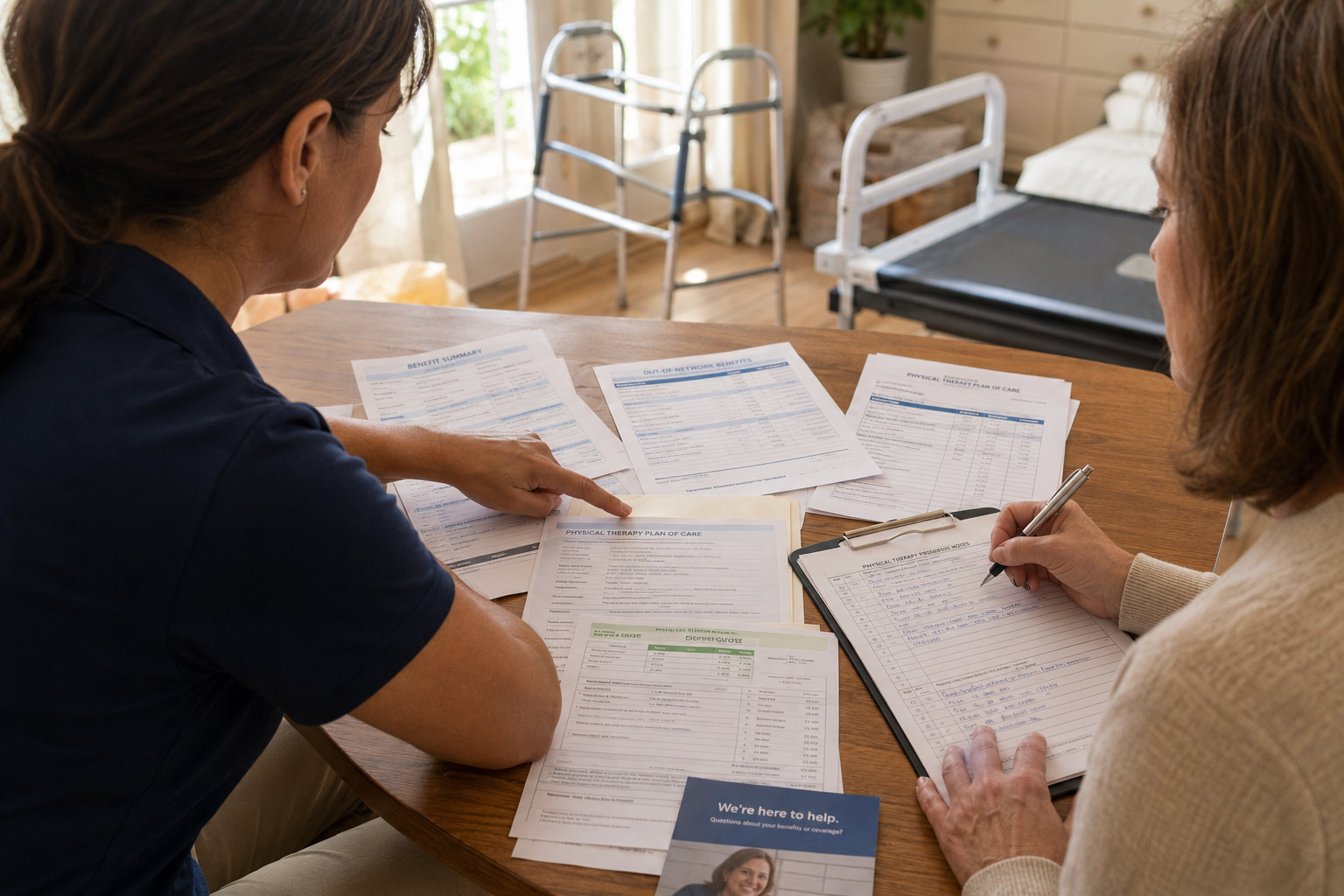
Navigating insurance for home rehabilitation can feel overwhelming for patients and caregivers alike.
Policies vary widely in what they cover, from in-home therapy visits to durable medical equipment and remote supervision.
Understanding key terms, documentation requirements, and common exclusions helps you build a stronger claim.
This article outlines practical steps to assess coverage, prepare records, and work with providers and insurers.
Coverage fundamentals
Insurance plans typically distinguish between medically necessary services and general wellness support. Home rehabilitation often requires a formal prescription or referral from a clinician; without that documentation, claims may be denied. Many plans set limits on number of therapy visits, approved equipment brands, or supplier networks. Reviewing your plan’s summary of benefits before scheduling services reduces surprises.
– Confirm common covered services like in-home therapy, nursing, or monitoring.
– Ask whether telehealth supervision qualifies under rehabilitation benefits.
– Note any visit limits, waiting periods, or preauthorization needs.
Keep a copy of benefit summaries and ask providers to cite the exact code or benefit when submitting claims. Early verification saves time.
Documenting medical necessity
A clear, contemporaneous record is one of the strongest tools when seeking coverage for home-based services. Clinicians should include objective findings, functional limitations, and progress notes that tie treatment to specific goals. Use problem-oriented notes that reference standardized assessment tools where possible. Insurance reviewers prioritize documentation that links services to improved function or reduced risk.
– Include objective measures like mobility scores or range of motion.
– State goals with timeframes and measurable outcomes.
Request copies of all therapy notes and dated orders. If a supplier requests prior authorization, provide the insurer with the same clinical rationale.
Durable equipment and home modifications
Coverage for durable medical equipment (DME) and home modifications varies and often hinges on necessity and cost-effectiveness. Items like walkers, ramp installations, or hospital beds commonly require physician orders and supporting documentation. Some policies prefer rental over purchase for short-term needs, or require specific suppliers. Comparing supplier quotes and confirming coding can prevent billing surprises.
– Confirm whether the policy allows non-network suppliers.
– Ask about rental versus purchase policies.
– Get written preauthorization when available.
Keep invoices and delivery records for appeals. Small upgrades often need detailed justification to meet insurer criteria.
Working with providers and appeals
Early communication between clinicians, suppliers, and insurers smooths the authorization process and reduces denials. When a claim is denied, request the specific reason in writing and gather supporting documents before filing an appeal. Many denials are overturned after a focused peer-to-peer review or submission of additional clinical details. Patience and organized records increase the odds of a successful appeal.
– Track timelines and deadlines for appeals carefully.
– Use standardized codes (CPT, HCPCS) in all correspondence.
If appeals fail, consider requesting an external review when available. Consider consulting a benefits specialist for complex cases.
Conclusion
Understanding policy language and documenting necessity are the cornerstones of securing coverage for home rehabilitation.
Proactive verification, clear clinical notes, and organized appeals improve the likelihood of payment.
Collaborating with providers and keeping thorough records helps patients access appropriate home-based care.










