Managing persistent musculoskeletal pain at home benefits from a steady, stepwise approach focused on function rather than quick fixes. Small, consistent adjustments to movement, rest, and your environment can reduce flare-ups and improve daily comfort. This article offers practical, easy-to-adopt strategies that require minimal equipment and emphasize gradual progress. Aim for realistic goals and repeatable habits to support long-term improvement.
Understanding pain and setting realistic goals
Pain is a complex signal influenced by tissue factors, movement patterns, stress, and activity habits. Rather than aiming for total elimination, choose specific activities you want to improve, such as climbing stairs or walking to the store. Clear, measurable goals help you track progress and adjust efforts based on tolerance.
Begin with achievable targets that prioritize daily function. Keeping expectations reasonable reduces frustration and supports steady adherence.
Designing a gentle daily movement routine
Create a simple routine combining mobility, light aerobic work, and brief strengthening each day. Start with five to ten minutes of controlled joint movement and breathing, then add a short walk or low-impact conditioning. Frequent short sessions are often better tolerated than occasional long workouts.
Consistency builds tolerance and habit. Aim for repeatable sessions you can sustain across weeks.
Strength, balance and low-impact conditioning
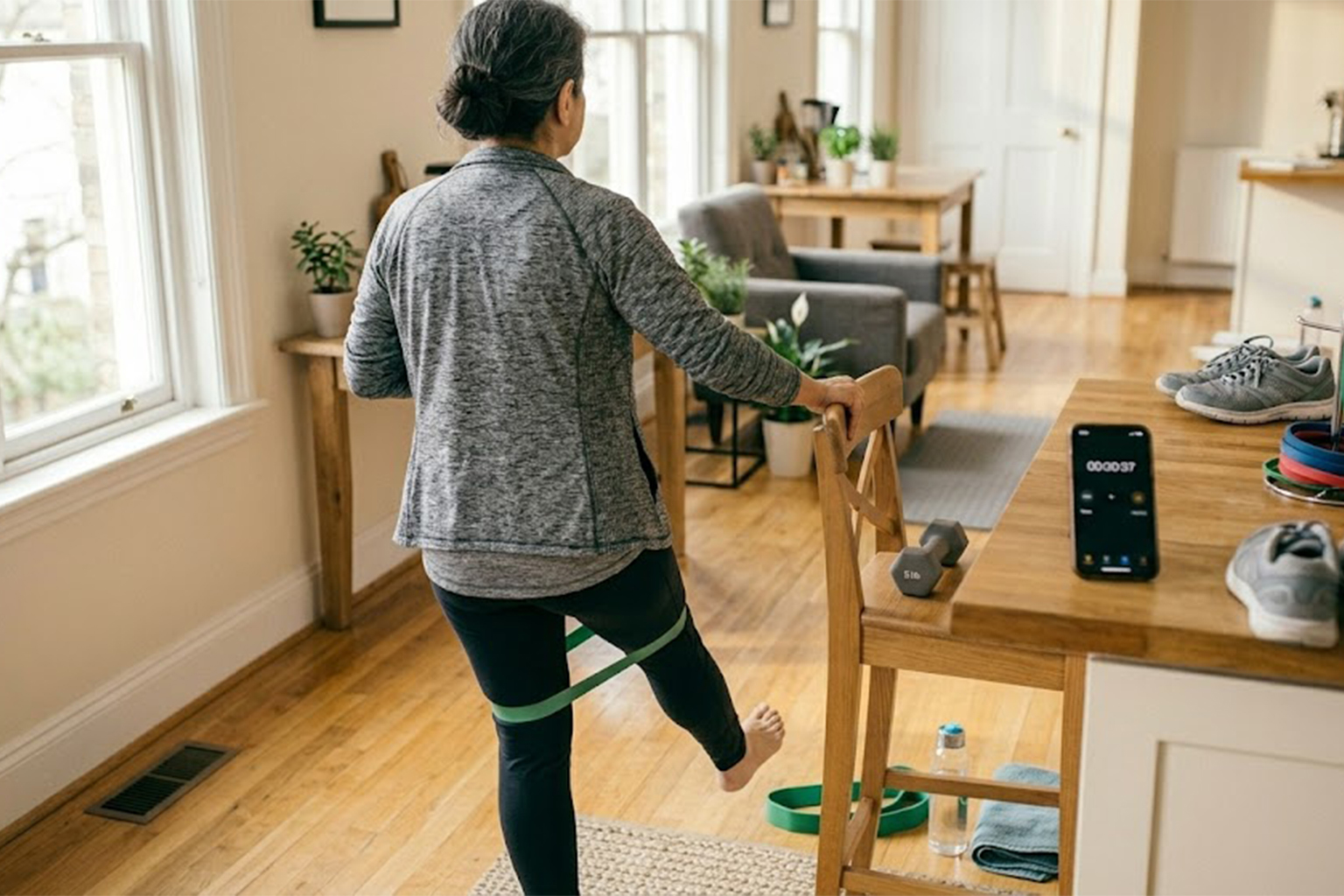
Targeting muscles around vulnerable joints improves load distribution and function. Use bodyweight, resistance bands, or household items to add progressive challenge without excess strain. Include balance and single-leg exercises to address stability and reduce compensations.
Progress slowly, increase resistance in small steps, and prioritize control. Allow recovery days after more demanding sessions to foster adaptation.
Pacing, rest and flare-up management
Pacing means breaking tasks into shorter segments and alternating activity with rest to avoid overload. Modify movements or reduce range during demanding tasks, and use gentle motion and local comfort measures during flare-ups. Attention to sleep, hydration, and stress control reduces overall sensitivity to pain.
Track how activities affect symptoms to refine your pacing strategy. Simple logs can reveal triggers and successful adjustments.
Adjusting your environment and daily tasks
Small ergonomic changes can cut repetitive strain: position commonly used items at comfortable heights and choose supportive seating. Check mattress and footwear for adequate support and use tools or assistive techniques for lifting and household chores. Prompts like timers or stretch reminders help prevent prolonged static postures.
Combine environmental tweaks with movement routines for the best effect. Low-cost changes often yield meaningful improvements in daily comfort.
When to seek professional advice
Consult a clinician if pain worsens, is accompanied by numbness or weakness, or significantly limits daily function despite self-care. A professional can rule out urgent conditions and offer tailored exercises, manual strategies, or referrals. Early assessment helps target interventions and avoid prolonged setbacks.
Working with a clinician complements home practices by refining technique and progression. Use professional input to safely expand your self-managed plan.
Conclusion
Adopting a stepwise home program—regular movement, gentle strengthening, pacing, and environment tweaks—shifts focus toward function and resilience. Small, consistent changes compound into meaningful gains in comfort and ability over time. Pairing these habits with timely professional guidance offers the most reliable path to sustained pain management.