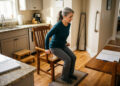
Living with long-term muscle or joint pain benefits from a steady mix of movement, recovery, and thoughtful home adjustments. Small, consistent changes can reduce daily flare-ups while preserving function and independence. This guide outlines realistic, low-impact strategies you can apply in ordinary spaces without special equipment. The emphasis is on pacing, gentle progression, and practical setup to support steady improvement.
Move with Intention and Pace
Prioritize short, purposeful sessions of low-impact movement rather than sporadic intense efforts that trigger setbacks. Aim for multiple brief bouts of walking, cycling on a stationary bike, or chair-based movements throughout the day to maintain circulation and mobility. Use a simple timer or phone reminder to break up long periods of sitting and introduce light activity before stiffness sets in. Progress gradually by adjusting duration or repetitions every few weeks based on comfort and response.
Start with manageable goals and track them to build confidence and consistency. Regular pacing avoids boom-and-bust patterns that worsen symptoms and undermine progress.
Adapt Your Home Environment
Small ergonomic adjustments reduce strain during everyday tasks and support recovery. Evaluate common areas where you spend time and adjust chair height, lighting, and reach distances to minimize awkward postures. Use supportive seating, a footrest, or a lumbar roll to maintain neutral alignment during prolonged tasks. Consider simple tools like a long-handled reacher, an elevated cutting board, or anti-fatigue mats in work zones.
These changes lower unnecessary load on painful areas and make activity more sustainable. A few targeted modifications often yield meaningful comfort improvements.
Strength, Flexibility, and Gentle Conditioning
Combine gentle strengthening with mobility work to protect joints and improve resilience. Focus on low-load exercises for major muscle groups—such as sit-to-stand, wall push-offs, and resisted band rows—paired with daily stretching for tight areas. Incorporate balance and control drills to reduce risk of compensatory patterns and injuries. Work within a pain-guided range: mild, increasing discomfort is acceptable, but sharp or worsening pain is a signal to stop.
Consistency matters more than intensity; short routine practice three to five times per week produces better results than infrequent intense sessions.
Self-Care, Recovery, and When to Seek Help
Prioritize sleep quality, hydration, and simple recovery strategies like heat, cold, or gentle massage to support tissue repair and symptom control. Track patterns of pain and triggers to identify helpful adjustments and to communicate clearly with clinicians if needed. If symptoms escalate, are accompanied by new neurological signs, or significantly limit daily activities, consult a healthcare professional for assessment and targeted interventions.
Early consultation can prevent prolonged decline and tailor rehabilitation to your goals. Use professional guidance to refine home strategies when progress stalls.
Conclusion
Balancing activity and rest at home is about steady, manageable progress and smart setup choices. Small daily habits—pacing, ergonomic tweaks, and gentle conditioning—add up over time to improve comfort and function. Consistency and listening to your body are the foundations of lasting improvement.