Long-term musculoskeletal pain requires a thoughtful mix of activity, rest and environment.
A consistent home strategy helps reduce flare-ups and supports daily function.
This article outlines practical, evidence-informed approaches you can adapt to your needs.
Use these ideas to build a sustainable routine that improves movement while limiting setbacks.
Assess and Plan
Begin by identifying activities that trigger pain and those that feel manageable.
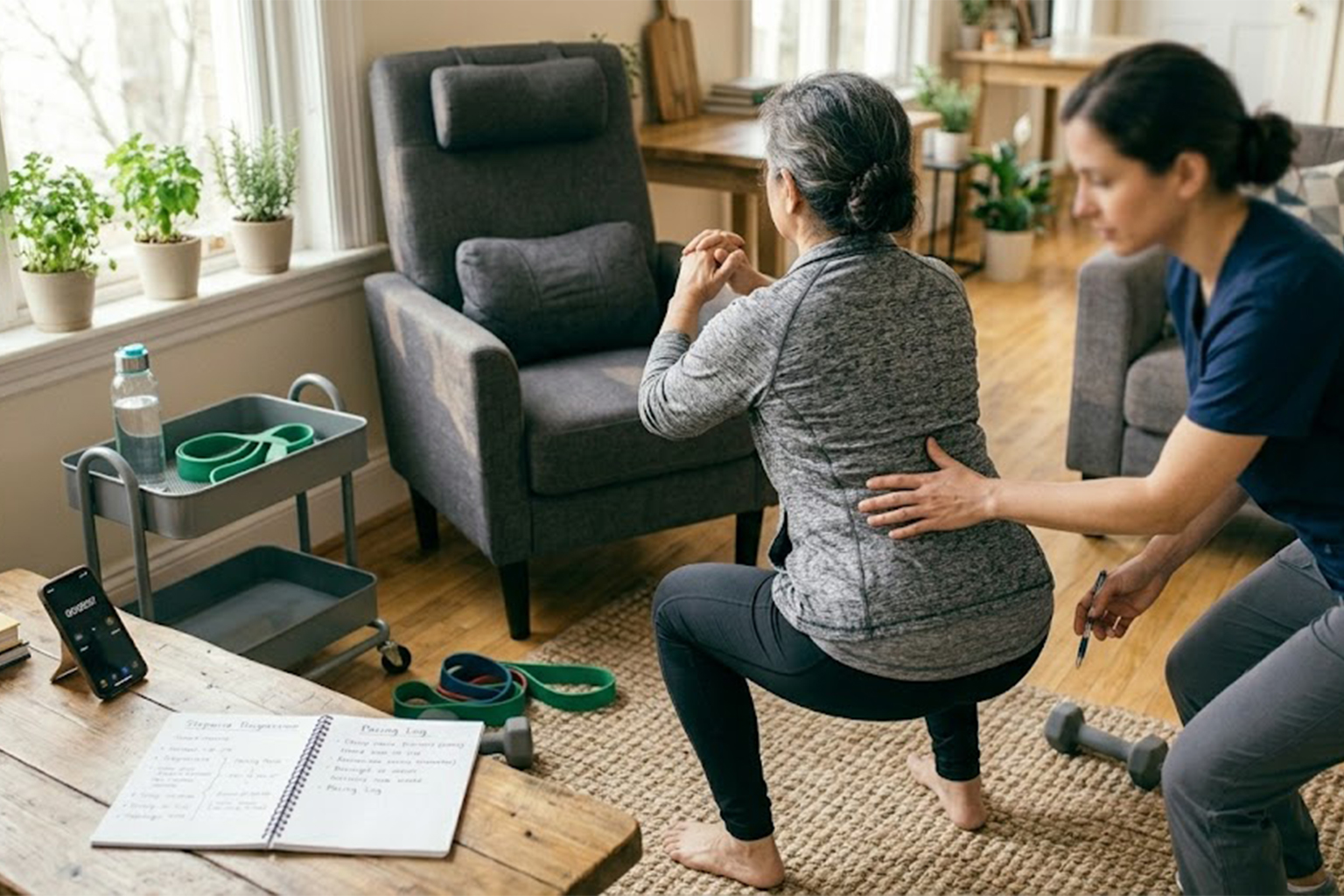
Keep a simple log for a few weeks to detect patterns and daily peaks.
Set small, measurable goals focused on function rather than eliminating pain entirely.
Review progress weekly and adjust goals based on what your body tolerates.
- Track activity type, intensity, and pain response.
- Rate your function and sleep quality each day.
These small data points make planning clearer and reduce guessing.
This approach supports safer progression and less frustration when setbacks occur.
Pacing and Graded Movement
Use pacing to balance activity and rest, breaking tasks into manageable segments.
Start with low-intensity movement and gradually increase duration or load over days.
Incorporate short, frequent breaks to avoid overloading sensitive tissues.
Consistency matters more than intensity; frequent gentle movement builds tolerance and confidence.
Graded exposure reduces fear of movement and helps rebuild capacity.
Aim for steady progression and celebrate small improvements to sustain motivation.
Strength, Flexibility, and Rest
Targeted strength work supports joints and stabilizing muscles, reducing strain during daily tasks.
Focus on basic compound movements—squats, hip hinges, rows—kept light and controlled at first.
Gentle flexibility and mobility exercises maintain range without provoking flare-ups.
Prioritize restorative sleep and short recovery techniques such as planned rest or relaxation breathing.
Balance exercise days with lighter recovery days to prevent setbacks.
When in doubt, reduce load or frequency rather than stopping entirely.
Home Environment and Habits
Adjusting how you move through your home can reduce repeated stress on painful areas.
Reorganize high-use items within easy reach and optimize seating to support posture.
Manage daily loads with carts or alternating arms to distribute strain across joints.
Small habit changes often yield big reductions in cumulative discomfort over time.
- Use supportive seating and simple ergonomic tweaks.
- Set timers for movement breaks and posture checks.
- Plan tasks to alternate standing and sitting.
These environmental adjustments complement exercise and pacing strategies.
They are inexpensive, practical ways to sustain better function every day.
Conclusion
Sustained improvement comes from small, consistent choices over time.
Combine pacing, graded exercise and environment tweaks for best results.
Consult a clinician if progress stalls or symptoms change significantly.