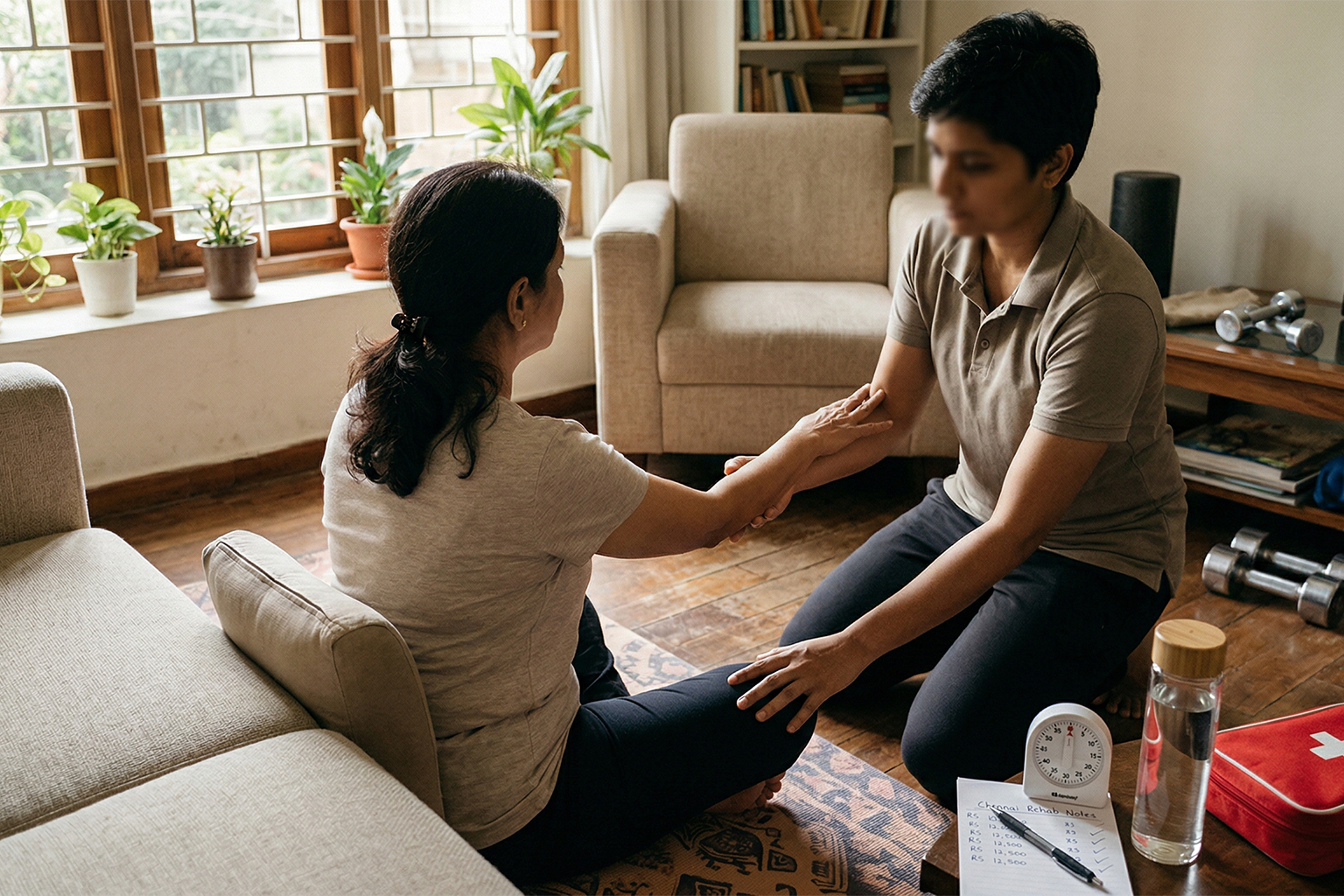
Living with persistent musculoskeletal discomfort changes how you plan each day and what you ask of your body. Small, consistent changes at home can reduce strain and support gradual improvements in comfort and movement. This article outlines practical approaches that focus on gentle movement, better ergonomics, and simple habits you can maintain. The goal is to build sustainable practices that fit into daily life without adding pressure.
These suggestions emphasize awareness, progression, and safety rather than quick fixes. They are intended to complement guidance from a healthcare professional when needed.
Understanding Long-Term Musculoskeletal Pain
Long-term pain often reflects a combination of factors: muscle tension, joint stress, deconditioning, and repeated patterns of movement. Recognizing triggers—such as prolonged sitting, poor posture, or abrupt increases in activity—helps target practical changes. Addressing pain at home focuses on reducing load, improving alignment, and gently restoring movement range. Consistency and patience are essential because adaptations happen over weeks and months, not overnight.
Tracking daily activities and symptoms for a short period can clarify which habits to change first and which strategies provide the most relief.
Practical Home-Based Movement Strategies
Begin with brief, regular movement bursts rather than long sessions that provoke symptoms. Aim for multiple short sets of gentle mobility and strengthening exercises tailored to the area of discomfort. Progress slowly: increase repetitions or range before adding resistance or duration. Quality of movement matters more than intensity—controlled, pain-aware motion builds resilience.
- Daily mobility: gentle joint circles and harmonic spinal movements.
- Strength support: low-resistance, slow repetitions targeting stabilizers.
- Breath and posture cues: diaphragmatic breathing with upright alignment.
Integrating these practices around routine tasks—after waking, between chores, or during screen breaks—helps them stick without creating extra obligations.
Creating a Supportive Home Environment
Small environmental adjustments reduce unnecessary load on muscles and joints across the day. Set up a workspace that supports neutral posture, use supportive seating, and bring commonly used items within easy reach to avoid repetitive strain. Consider sleep surface and footwear choices that influence daily comfort and recovery. Lighting, temperature, and scheduled rest breaks also affect movement quality and pain perception.
Combining environmental cues with short movement reminders makes it easier to maintain helpful routines and reduces the likelihood of setbacks.
Conclusion
Simple, consistent home practices can lessen everyday discomfort and improve functional mobility over time. Focus on gentle progression, supportive surroundings, and building habits that fit your life. Small steps repeated daily often produce the most sustainable results.