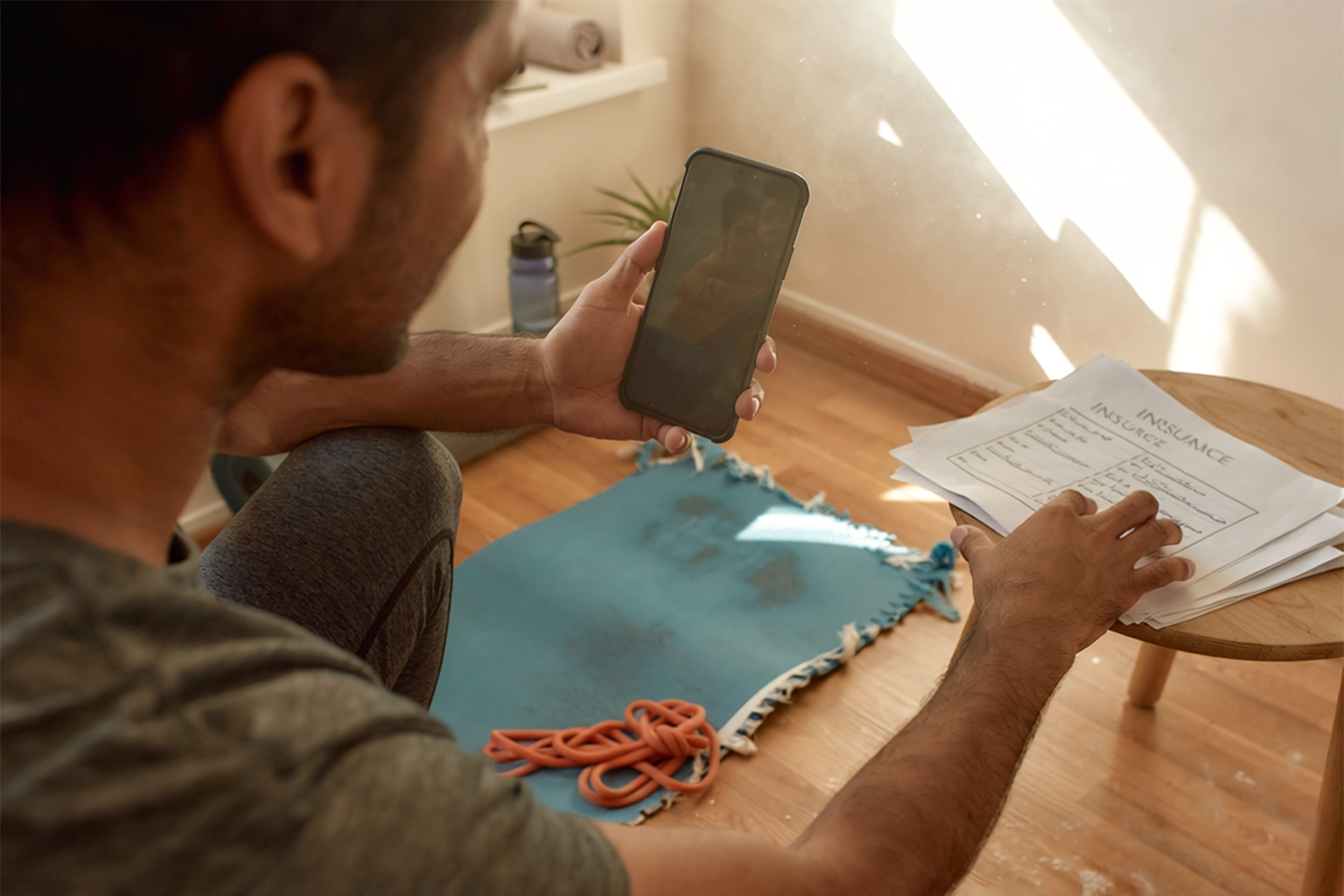
Reviewing health and medical insurance policies is essential when you regularly exercise at home. Knowing how insurers define covered activities and what exclusions apply helps prevent surprises after an injury. This article outlines practical steps to interpret policy language and document your routines. It focuses on terms, evidence, and communication strategies to make coverage clearer.
Key policy terms to check
Start by locating definitions sections in your policy and any rider or endorsement language that mentions activities or sports. Look for specific words like “recreational activity,” “home exercise,” “occupational therapy,” and any explicit exclusions for hazardous activities. Also check coverage limits, copayments, and clauses about pre-existing conditions or chronic care. Understanding these terms helps you know whether a claim is likely to be accepted.
When in doubt, request an explanation in writing from your insurer. A clear definition from the insurer can be useful if you need to file a claim later.
Documenting activities and injuries
Accurate records make claims smoother and reduce disputes about what happened and when. Keep a workout log that notes dates, duration, types of exercise, and equipment used, and preserve receipts for any home fitness gear. If an injury occurs, seek medical attention promptly and ask the provider to describe how the activity led to the injury in the clinical notes. Photos of the environment and equipment condition can also support your account.
- Maintain a routine log and save receipts.
- Obtain timely medical records and clear diagnostic notes.
- Photograph the scene and any contributing hazards.
Detailed documentation strengthens your position when discussing a claim with claims representatives or appeals staff.
Working with insurers and providers
Communicate proactively with both your insurer and your healthcare provider to align expectations. Ask your insurer about pre-authorization requirements for treatments or durable medical equipment related to exercise injuries. Request that clinicians include activity details in their notes and specify causation where appropriate. If a claim is denied, follow the insurer’s appeal process and supply the documentation you collected.
Maintaining clear, polite records of all communications will help if you need to escalate an issue or involve a patient advocate.
Conclusion
Careful review of policy language and thorough documentation reduce uncertainty around at-home exercise claims. Engage insurers early for clarifications and keep clinicians informed about activity-related injuries. These steps improve the chances of a fair outcome and help protect your health and finances.