Exercising at home offers convenience and consistency, but it also raises questions about how medical insurance responds to injuries and equipment-related incidents. Reviewing your policy before a problem arises helps you understand what is covered, what documentation is needed, and when to expect out-of-pocket costs. Many plans now include telehealth and preventive services that can support safer routines, but exclusions and limits still vary widely. This article outlines practical steps to align your home fitness habits with the realities of medical coverage.
Key policy features to review
Start by checking definitions for accidental injury, outpatient care, and rehabilitation services, since those determine whether a home workout injury qualifies for benefits. Look at limits on physical therapy visits, pre-authorization requirements, and whether durable medical equipment such as braces or orthotics is reimbursed. Review any exclusions related to sports or high-risk activities and note how pre-existing conditions are treated when filing a claim. Understanding network rules and emergency versus non-emergency coverage will also shape your expected costs and provider choices.
- Accident versus illness definitions
- Rehabilitation and physical therapy caps
- Durable medical equipment reimbursement
- Telehealth and preventive service coverage
Keeping a summary of these features helps you compare plans and anticipate bills if an injury occurs. Save copies of relevant policy pages or insurer FAQs for quick reference.
Handling claims and documenting incidents
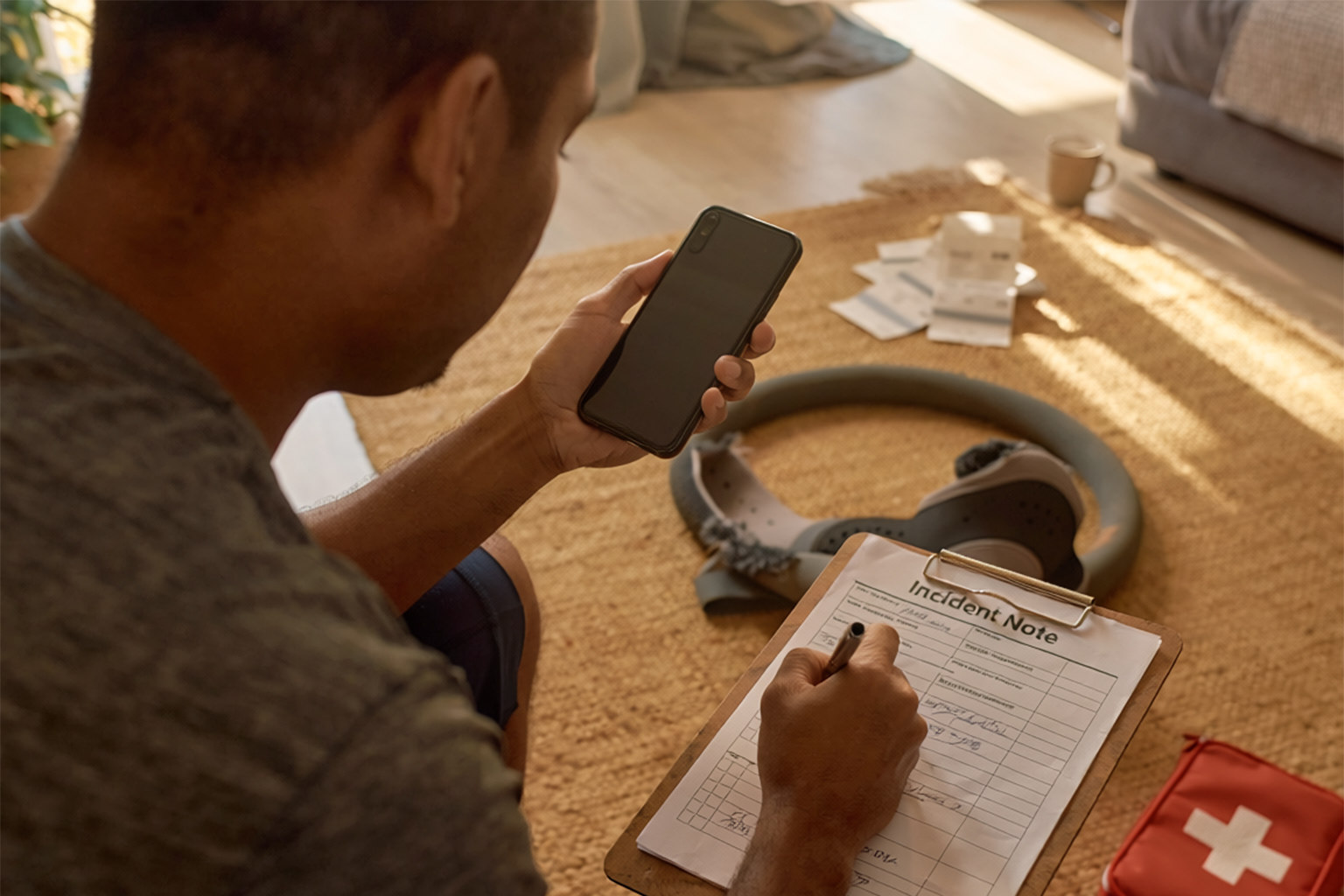
If an injury happens, immediate steps affect claim outcomes: seek appropriate care, obtain written medical notes, and request copies of all reports and receipts. Photograph the scene and any equipment involved, and write a short incident account while details are fresh; these items support your claim if coverage is disputed. Notify your insurer promptly and follow their claims process closely, asking about required forms or pre-visit authorizations to avoid denials. Keep a consolidated file of communications, bills, and medical records to streamline follow-up and possible appeals.
Timely, organized documentation reduces delays and strengthens your position during review. If a claim is denied, request a clear explanation and explore the formal appeal process with supporting evidence.
Reducing risk and communicating with your insurer
Mitigating injury risk lowers the chance of navigating claims: maintain equipment, follow manufacturer instructions, warm up properly, and progress training gradually. Consider registered instruction or certified programs and keep records of training or supervision if applicable, since proof of safe practices can matter in disputed cases. Contact your insurer before starting higher-risk activities to clarify coverage and pre-authorization needs, and ask about wellness incentives or programs that may lower premiums or offer preventive services. Remember that liability waivers for classes or trainers do not change your medical insurance coverage but can affect other legal matters.
Proactive communication and prudent safety practices make it easier to manage both health and finances. Regularly revisit your coverage as your routines or equipment change.
Conclusion
Understanding your policy details, documenting incidents carefully, and taking sensible safety steps will help you navigate claims related to home workouts. Regular review and open communication with your insurer reduce surprises and support better outcomes when care is needed. Treat insurance as part of your fitness plan so you can exercise with greater confidence and protection.