

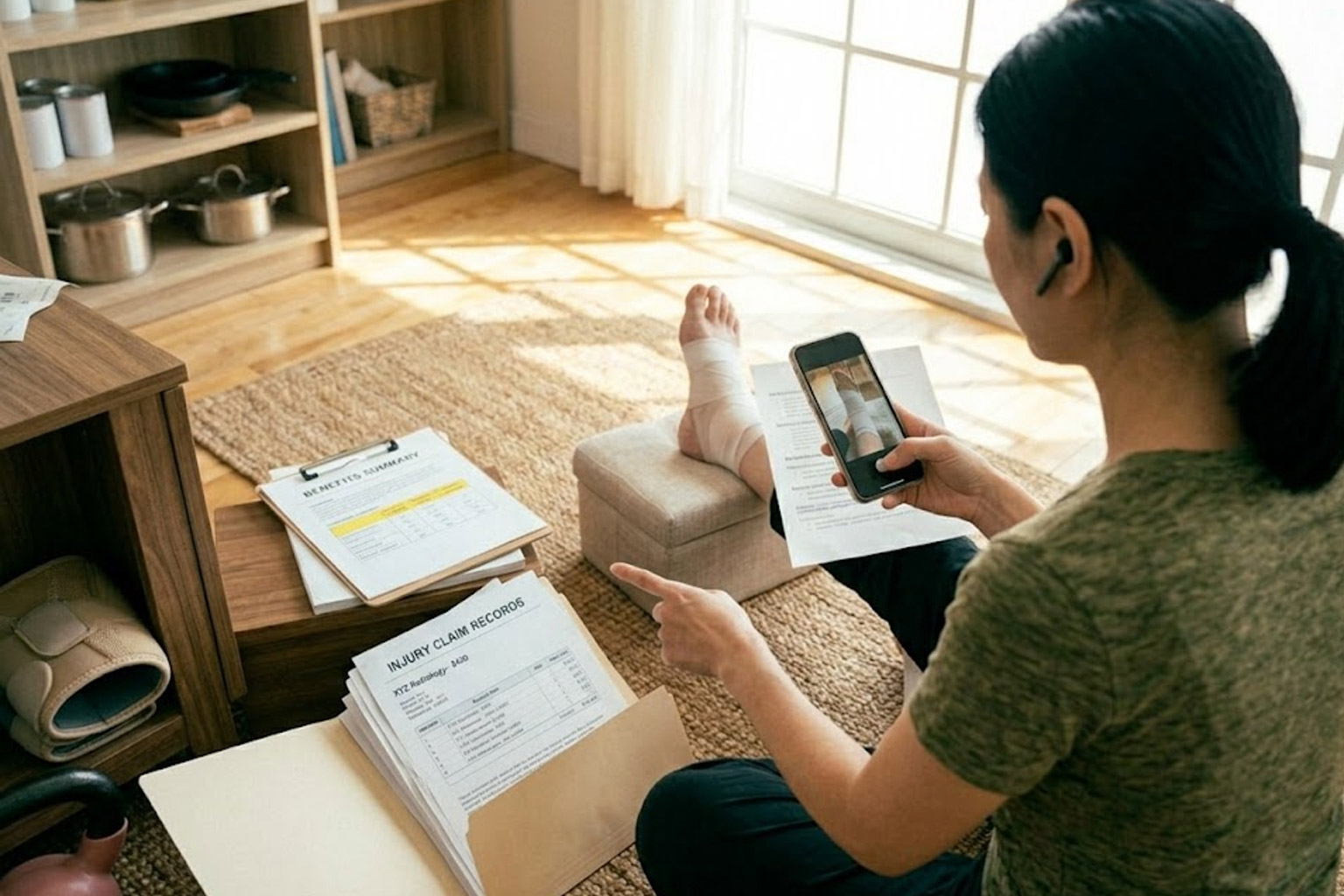
Keeping your fitness routine at home is convenient, but injuries and unexpected care needs can create confusing insurance questions. A clear plan for how your medical policy responds to exercise-related incidents reduces stress and expense, and helps you navigate billing challenges. This article outlines practical steps to verify benefits, document incidents, and manage claims efficiently. Following a few checks before you need care improves outcomes, protects your finances, and shortens recovery time when care is quicker.
Start by Reviewing Core Benefits
Begin with the basics of your plan: emergency services, urgent care, telehealth, rehabilitation, and out-of-network rules. Confirm whether telehealth covers urgent evaluations after a minor injury and whether physical therapy or durable medical equipment are eligible benefits. Look for prior authorization requirements and any dollar or visit limits that apply to rehabilitative services. Knowing these rules helps you choose the right immediate care and avoid denials.
Make a short summary of covered services and key limits you can reference quickly. Store plan phone numbers and a printed benefits summary near your workout area.
Documenting Incidents and Preparing Claims
If you injure yourself while training, document the incident clearly and promptly with dates, times, time-stamped photos or short video of the area or equipment, and notes about what happened. Seek medical attention as appropriate and obtain written records, diagnostic results, and itemized bills from every provider. Keep explanations of benefits (EOBs) and cross-check them against invoices to spot coding errors or unexpected charges. Early documentation supports medical necessity and simplifies appeals if coverage is initially denied.
Create a simple claim folder—digital or physical—with all records and correspondence. Detailed, organized evidence shortens processing time and improves claim outcomes.
Managing Costs and Using Plan Tools
To limit out-of-pocket expenses, use in-network providers whenever possible and obtain prior authorization for planned rehabilitative care. Explore telehealth for initial assessments, which often cost less and may satisfy insurer documentation requirements, and can provide faster guidance on whether in-person care is needed. Compare estimated costs for imaging, specialist visits, and therapy so you can plan alternatives like stepwise care or second opinions. Also check whether durable medical equipment such as braces or supports requires pre-approval or has specific suppliers.
Ask your insurer about case management or nurse advice lines for coordination help. Proactive cost management prevents surprises and helps you stay focused on recovery.
Conclusion
Small preparation makes a big difference when home training leads to medical needs. Review benefits, document incidents carefully, and use plan tools to control costs. These steps preserve both your health and your financial peace of mind.










