When you incorporate regular activity into a home routine, understanding how health benefits apply can prevent surprises. Reviewing your plan ahead of time helps identify which treatments, therapies, and visits are covered after an injury or overuse issue. Simple familiarity with networks, referral rules, and prior-authorization requirements reduces delays if care becomes necessary. This article outlines practical steps to review policy language, document incidents, and find appropriate providers efficiently.
Understanding Policy Basics
Start by locating key sections of your insurance documents: covered services, exclusions, deductibles, and out-of-pocket maximums. Pay attention to language about accidental injuries, musculoskeletal care, and rehabilitative services, since those categories often apply to activity-related problems. Note whether telehealth, physical therapy, or urgent care visits have separate cost-sharing rules, and whether preauthorization is required for specialist referrals. Clear comprehension of these elements frames realistic expectations about access and expense.
Once you identify potential gaps, consider options such as adding riders or selecting plans with broader networks during enrollment windows. Even modest changes can improve access to physiotherapists or imaging services that are common after activity injuries. Proactive adjustments avoid rushed decisions following an unexpected health event.
Documenting Incidents and Preparing Claims
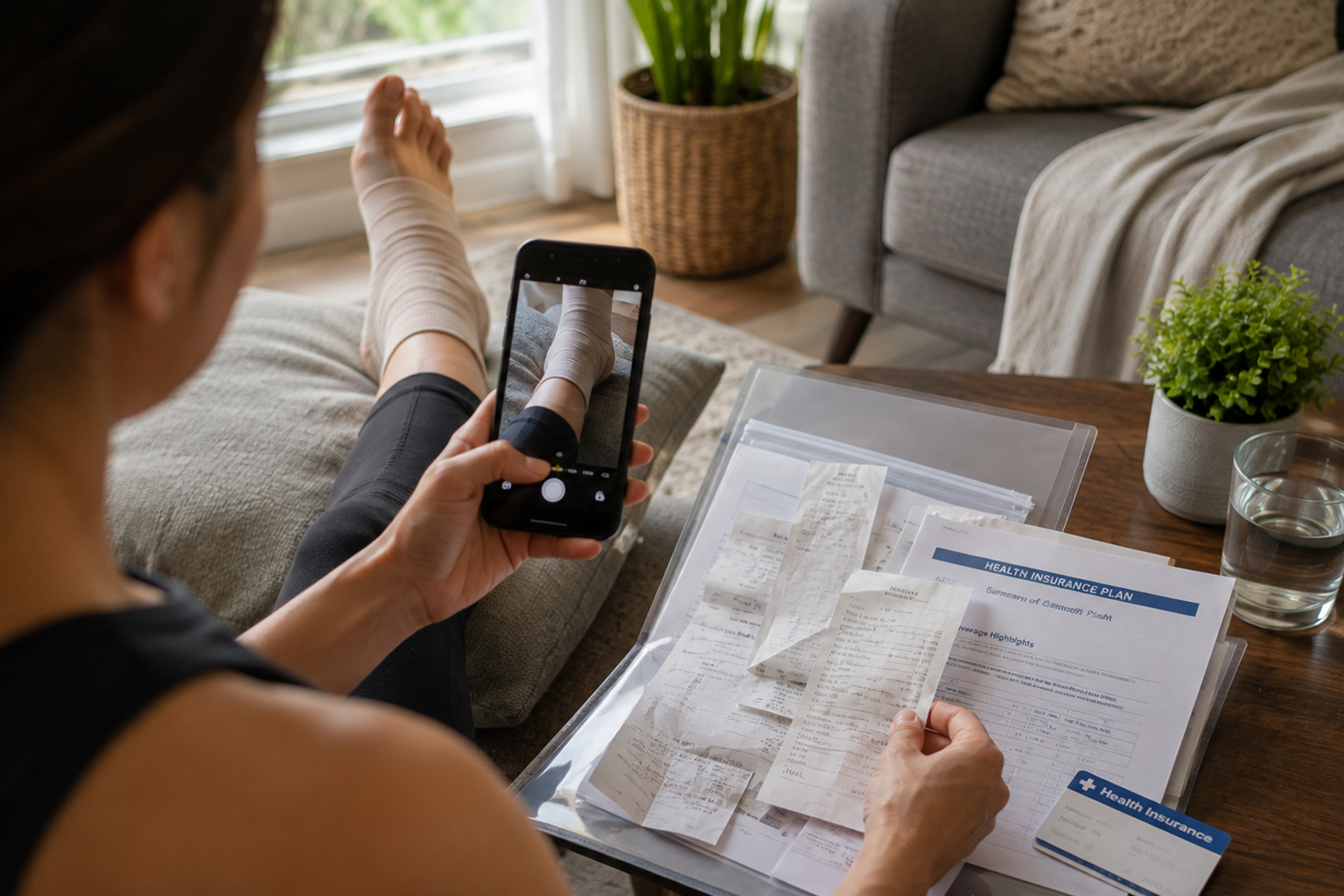
Accurate documentation is essential when filing a claim tied to a home activity. Record the date, time, and circumstances of any incident, note symptoms, and keep receipts for treatments and over-the-counter supplies. Timely medical evaluations create a clinical record that supports necessity and links care to the incident. Understand your insurer’s claim deadlines so paperwork is submitted within required timeframes.
- Incident notes and photos
- Provider reports and diagnostic results
- Original receipts and itemized bills
Organizing these items in a single folder or digital file speeds claim submission and follow-up. If a claim is denied, documented records make appeals clearer and more persuasive.
Accessing Care and Managing Costs
Identify in-network clinics, urgent care centers, and physical therapists that accept your plan to limit out-of-pocket expense. If specialized care is needed, ask whether referrals or prior authorizations are required and who handles those requests. For non-emergency needs, telehealth can be a cost-effective first step and may qualify for lower copayments. Compare price estimates for common services so you can plan financially if care is required.
Consider discussing payment plans with providers for larger expenses and use health savings accounts if available to offset costs. Remaining informed and proactive enables better medical and financial outcomes.
Conclusion
Taking time to read key policy terms, document incidents carefully, and identify in-network providers reduces stress after an at-home injury. Organized records and clear communication with your insurer speed approvals and support stronger appeals when needed. With a few focused steps you can protect both your health and your finances while staying active at home.