

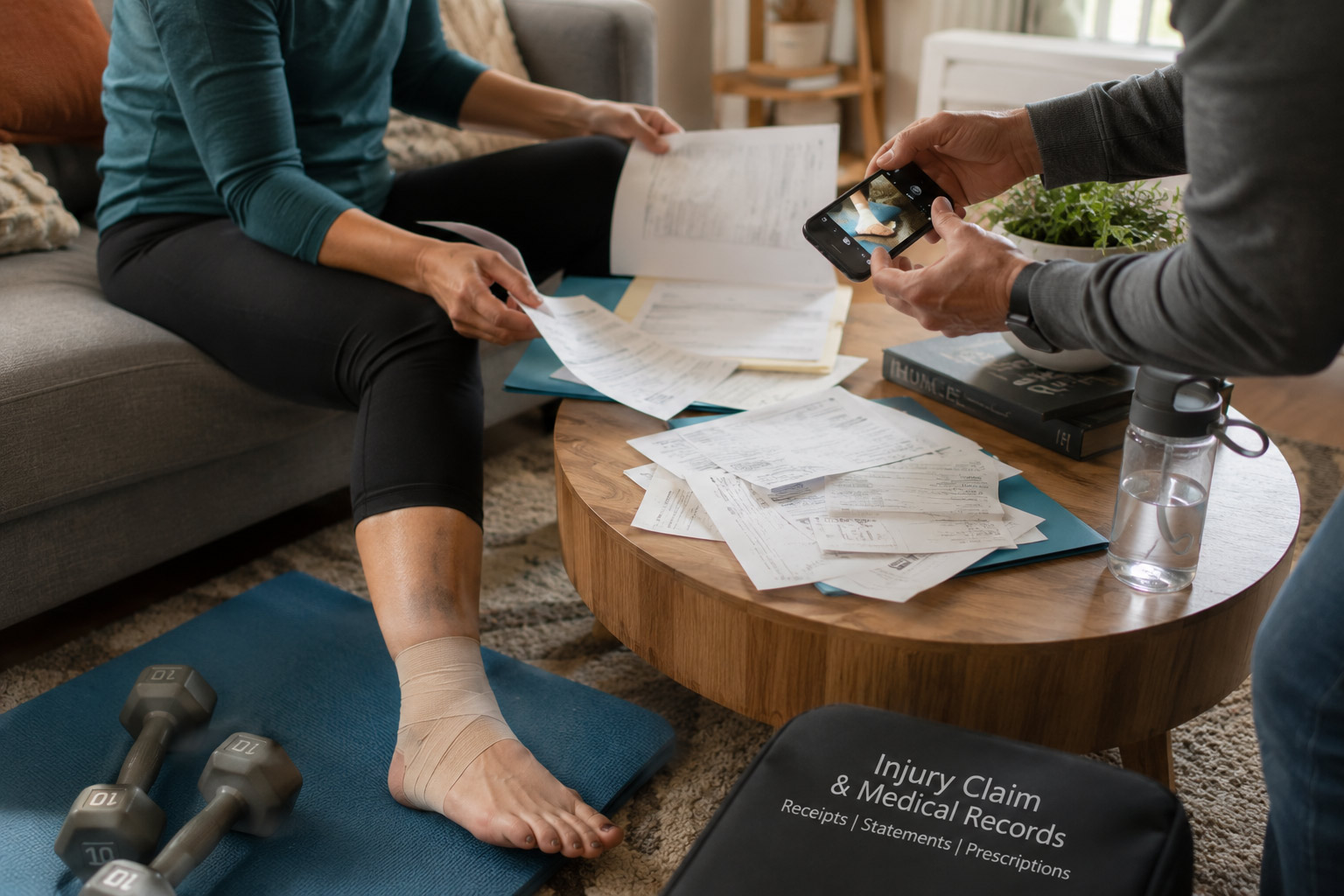
Home workouts are convenient and effective, but they also shift certain injury risks into the home environment. Understanding how your medical insurance responds to those risks helps you avoid surprises when care is needed. This article outlines practical insurance checks, documentation steps, and provider choices relevant to at-home exercise incidents. Use these suggestions to make faster, better-informed decisions if an injury occurs.
Regular review and simple preparation reduce financial and administrative friction. Keeping a few records and knowing key benefit details often speeds claims and ensures access to appropriate care.
Start with a focused policy review
Begin by locating key sections of your plan: emergency care coverage, urgent care, telehealth, outpatient rehabilitation, and exclusions. Pay special attention to in-network requirements, prior authorization rules, and any clauses about home accidents or activity-related injuries. Note deductible and out-of-pocket maximum figures so you can estimate likely costs after a claim. If language is unclear, contact customer service or your broker for a concise explanation.
Write down or screenshot the benefit highlights and a claims phone number. This short record is useful to reference immediately after an incident and can reduce delays during a stressful time.
Documenting incidents to support claims
Timely, clear documentation strengthens any insurance claim related to a home workout injury. Record the date, time, and what happened in a brief written note, and take photographs of the scene and visible injuries. Keep receipts for any supplies or treatments, and request itemized bills and clinical notes from providers. If someone witnessed the event, ask them for a short written statement with their contact details.
- Date-and-time-stamped photos of the injury and equipment involved.
- Receipts, invoices, and itemized medical bills.
- Provider notes and any referral or authorization documents.
Organize these items in a single folder—digital or physical—to speed the claims process. A tidy file makes it easier to answer insurer questions and reduces back-and-forth.
Choosing benefits and provider access
When care is needed, balance speed of access with cost. In-network providers typically lower out-of-pocket expense, but urgent needs may require out-of-network treatment that you should document carefully. Check whether your plan covers physical therapy, durable medical equipment, or home health services if recovery requires those supports. Also review whether prior authorization is required for specialty care or extended rehabilitation.
Ask your insurer how claims for out-of-network emergency care are adjudicated. Knowing reimbursement rules ahead of time helps you decide where to seek care under pressure.
Practical steps after you get injured at home
Assess urgency first: call emergency services for severe symptoms, use urgent care for moderate injuries, or telehealth for minor concerns. Report the visit and any claims to your insurer promptly, and provide the documentation folder you prepared. Keep copies of all communications with providers and the insurer, including dates and names of representatives you spoke with. Track expenses and progress notes during recovery to support ongoing care claims.
Proactive record-keeping and timely reporting typically improve claim outcomes. Stay persistent but organized when following up with claims or appeals.
Conclusion
Review your policy basics, document incidents thoroughly, and prioritize both access and cost when seeking care. A compact claims folder and clear notes for your insurer reduce delays and confusion during recovery. Taking these simple steps helps you protect your health and finances after a home workout injury.










