

Finding the right nutrition pattern can transform the results you get from home workouts.
Small, consistent changes to how you eat influence energy, recovery, and progress.
This article outlines practical, sustainable approaches to everyday meals for people who exercise at home.
Use these ideas to build simple routines that support strength, stamina, and health.
Why balanced meals matter
Balanced meals provide steady energy throughout the day and help maintain muscle during regular training. Combining carbohydrates, protein, and healthy fats at each main meal stabilizes blood sugar and supports recovery. Prioritizing whole foods and simple portions reduces meal prep stress and keeps meals nutrient-dense.
Pre- and post-workout fueling
Timing what you eat around workouts doesn’t need to be complicated, but small adjustments make a difference. Before a session, a light meal or snack with carbs and moderate protein supports performance without causing discomfort. After exercising, aim to include protein and carbohydrates to replenish glycogen and support muscle repair.
– Pre-workout ideas: Greek yogurt with fruit, toast with nut butter, banana and a small handful of nuts.
– Post-workout suggestions: Grilled chicken and rice, tofu and quinoa bowl, smoothie with protein powder and berries.
– Quick options when short on time: cottage cheese and fruit, hummus with whole-grain crackers, hard-boiled eggs and an apple.
These options are flexible and can be adapted to taste preferences or dietary needs. Consistency matters more than perfection when it comes to timing and composition.
Simple meal templates
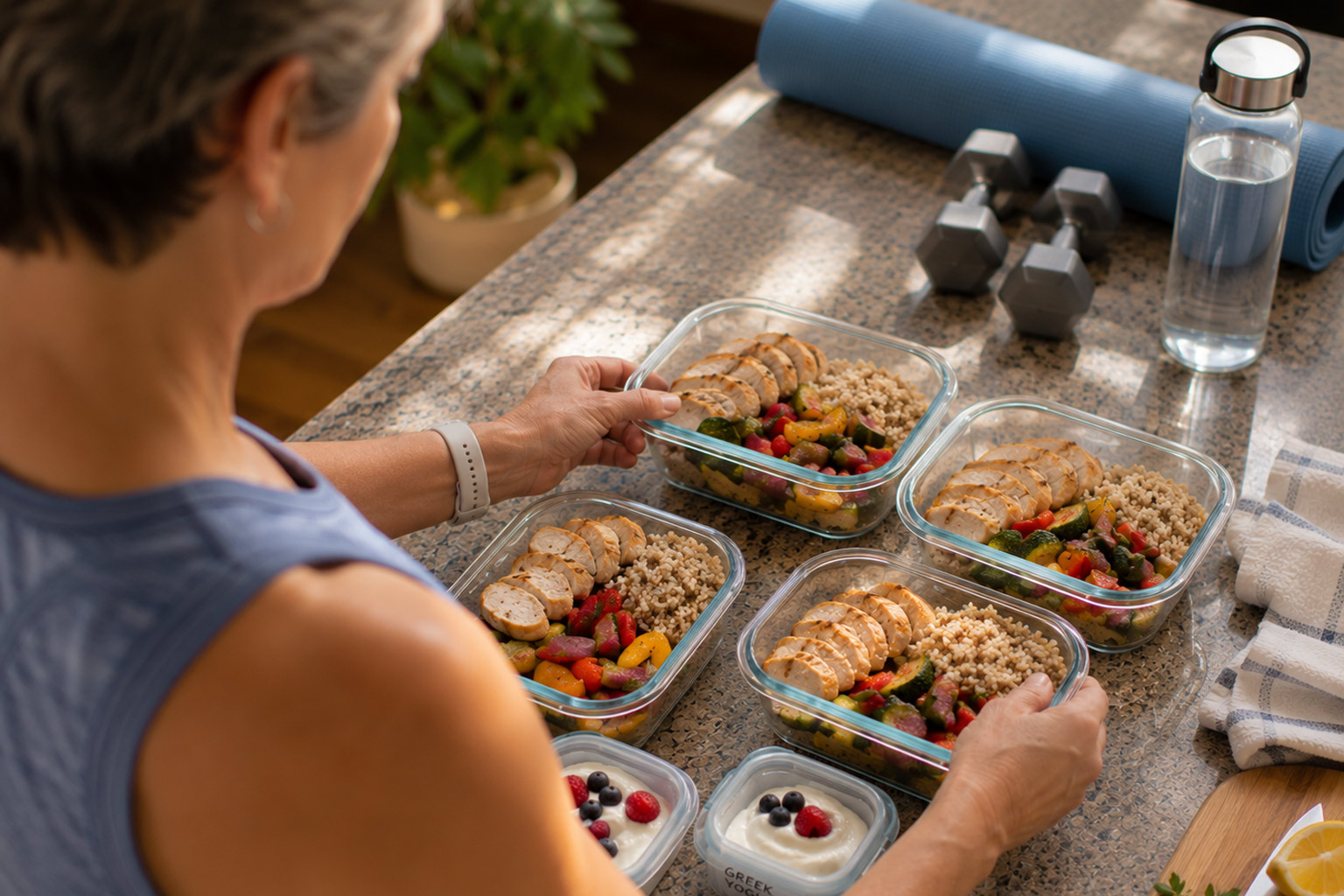
Simple meal templates remove decision fatigue and make healthy eating practical at home. Think of plates built around a lean protein, a starchy or fibrous carbohydrate, and colorful vegetables for micronutrients. Adjust portion sizes based on training intensity and personal goals.
– Breakfast template: eggs or Greek yogurt, whole-grain toast or oats, and berries or spinach.
– Lunch/dinner template: grilled fish or legumes, sweet potato or brown rice, and a large salad or roasted vegetables.
– Vegetarian adjustments: increase legumes, nuts, seeds, or dairy alternatives to meet protein targets.
Using templates helps you prepare meals quickly and reduces reliance on processed foods. Rotate ingredients weekly to keep meals interesting and nutritionally varied.
Snacks, hydration, and timing
Snacks, hydration, and consistent meal timing fill the gaps between main meals and support steady performance. Choose snacks that combine protein and carbohydrates to avoid energy crashes, and keep a water bottle handy during workouts. Paying attention to sleep and stress also supports appetite regulation and recovery.
Conclusion
A practical nutrition approach makes home workouts more productive and enjoyable.
Focus on balanced meals, simple templates, and realistic pre/post-workout options to support progress.
Small, consistent habits will compound into measurable improvements over time.










