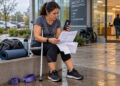
As more people build regular exercise routines at home, understanding how medical insurance responds to workout-related injuries becomes increasingly important. A clear conversation with your insurer can clarify what counts as an accident, which treatments are covered, and how claims for rehabilitation are handled. Knowing policy specifics reduces surprises when you need care and helps you choose appropriate supplemental protections. This introduction outlines key topics to raise with a carrier before an incident occurs.
Assessing Coverage for Exercise-Related Injuries
Begin by asking whether your policy explicitly excludes or includes injuries sustained during home exercise. Some plans may treat a traumatic injury the same regardless of where it occurred, while others distinguish between accidents and elective activity-related conditions. Clarify whether emergency care, imaging, and initial physician visits are covered and whether preauthorization is required for specialist referrals. Understanding these distinctions helps you anticipate immediate costs and required steps after an injury.
Also confirm how the insurer defines an injury and what documentation they expect when you file a claim. Request examples of accepted medical records and typical timelines for claim decisions. This reduces delays and improves the likelihood of a smooth reimbursement process.
Understanding Policy Terms and Limits
Review deductible, coinsurance, and out-of-pocket maximums as they apply to musculoskeletal treatment and physical therapy. Specific benefit limits may apply to rehabilitation visits, durable medical equipment, or outpatient procedures. Ask about network requirements because receiving care outside a preferred provider network can significantly increase costs. Being familiar with these financial elements helps you plan for both routine and unexpected care.
Inquire about coverage caps and whether annual or lifetime limits apply to certain services. Clarify how preexisting conditions are handled and whether prior treatments affect claims related to a new injury. These answers help you evaluate potential gaps in protection.
Documenting Home Fitness Activities
Proper documentation can support a claim and speed processing, so ask what evidence insurers accept for exercise-related incidents. Typical documentation includes physician notes, imaging reports, and a clear timeline of the event. If relevant, keep records of workout routines, equipment use, and any instruction or supervision you received. This context may be important when insurers determine whether an injury is covered under your policy.
Also learn how to report incidents promptly and which contact channels to use for initial notifications. Quick, organized reporting often leads to better outcomes during the claims review phase. Maintain copies of all communications with providers and the insurer for your records.
Choosing Additional Protections
Ask about supplemental options that can complement primary medical coverage, such as accident riders, short-term disability, or specialized rehabilitation add-ons. Evaluate whether these products offset deductibles or provide cash benefits for recovery time away from work. Discuss cost versus benefit to determine if additional coverage makes sense for your activity level and household risk tolerance. Consider telehealth services and wellness programs that reduce barriers to early care.
Request a written summary of any recommended endorsements and compare quotes before deciding. Making an informed choice ensures your coverage aligns with the realities of at-home training. Keep policy documents accessible and review them annually as your fitness habits evolve.
Conclusion
Clear, targeted questions help you determine how a policy treats home workout injuries and related care. Documenting incidents, understanding financial limits, and considering supplemental options reduce uncertainty when you need treatment. Regularly revisiting your coverage ensures it keeps pace with your fitness routine.