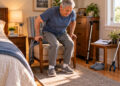
Creating a safe area for exercise at home reduces the chance of accidents and supports consistent workouts. A well-considered space balances room for movement, appropriate flooring, and access to necessary equipment. Attention to lighting, ventilation, and clutter can make sessions more effective and comfortable. This overview covers practical steps to set up a low-risk home workout environment you can maintain over time.
Assess Your Space and Flooring
Start by evaluating the dimensions and surface of the room where you plan to exercise. Ensure there is enough clearance for your typical movements, including overhead reaches and lateral steps, and remove tripping hazards like loose rugs or cords. Check the flooring for stability: hardwood or laminate may need a non-slip mat, while carpet can limit mobility for some exercises. Good lighting and a clear line of sight to exits help maintain orientation and safety.
- Measure available space before choosing exercises or equipment.
- Use a stable, non-slip surface tailored to your activity type.
- Keep the floor clear of small items and excess furniture.
Periodic reassessment is important as routines or household layouts change. Small adjustments can prevent recurring hazards and accommodate new exercises safely.
Choose and Arrange Appropriate Equipment
Select equipment that matches your fitness level and the space available, prioritizing quality and stability. Store heavier items like dumbbells on low racks to avoid lifting risks, and use compact or foldable alternatives when space is limited. Position cardio machines away from walls to allow airflow and prevent pinch points, and anchor any mounted gear securely according to manufacturer guidance. Proper arrangement reduces the chance of accidental collisions and wear on the equipment.
- Prefer multi-use, space-saving tools over oversized single-purpose items.
- Inspect equipment regularly for wear and loose fittings.
- Keep frequently used items within easy reach to minimize awkward movements.
Thoughtful placement extends equipment life and keeps the workout area inviting. Clear routines for setup and teardown can streamline sessions and reduce clutter.
Adopt Safer Movement Habits
Warm up before vigorous activity to prepare muscles and joints and lower injury risk. Focus on controlled form rather than speed or heavy loads, and progress gradually when increasing intensity or complexity. Use mirrors or record brief clips to check posture, and consider occasional professional feedback to refine technique. Hydration breaks and short rest intervals support recovery during workouts.
Establish a simple routine for cool-down and stretching after each session. Consistent habits build resilience and reduce the likelihood of overuse problems.
Plan for Emergencies and Recovery
Keep basic first-aid supplies and a charged phone nearby in case of incidents. Know how to safely pause or stop exercises if you feel sharp pain, dizziness, or unusual symptoms. Schedule rest days and incorporate mobility work to allow tissue recovery and maintain long-term function. Consider sharing your workout plan with a household member so someone knows your routine and can respond if needed.
Having a clear, simple emergency plan increases confidence and preparedness. Regularly update contacts and supplies as circumstances evolve.
Conclusion
A thoughtful approach to space, equipment, and habits makes home workouts safer and more sustainable. Small, consistent adjustments reduce risk and support long-term progress. Prioritize prevention, reassess periodically, and keep recovery part of every routine.