Home workouts reduce barriers to regular exercise but can create specific risks when equipment or technique fail. Knowing how your medical insurance handles injuries that occur during at-home exercise helps you avoid surprise costs and delays in care. This guide focuses on practical checks and actions to take before and after an incident so you can protect both your health and finances. Read on for actionable steps to align your fitness habits with your coverage.
Policy features to review
Start by examining benefit limits, in-network vs out-of-network rules, and how emergency and urgent care visits are covered. Look for clauses about pre-authorization, rehabilitation benefits, physical therapy limits, and whether telehealth consultations are included. Pay attention to exclusions that may reference self-inflicted injuries, high-risk activities, or non-covered equipment-related accidents. Understanding these elements helps you predict potential out-of-pocket costs if you need treatment after a home workout.
Review your plan documents or contact customer service to clarify ambiguous language. Keep a summary of key contacts and coverage limits in an easy-to-find place so you can act quickly in an emergency.
Documenting and reporting an incident
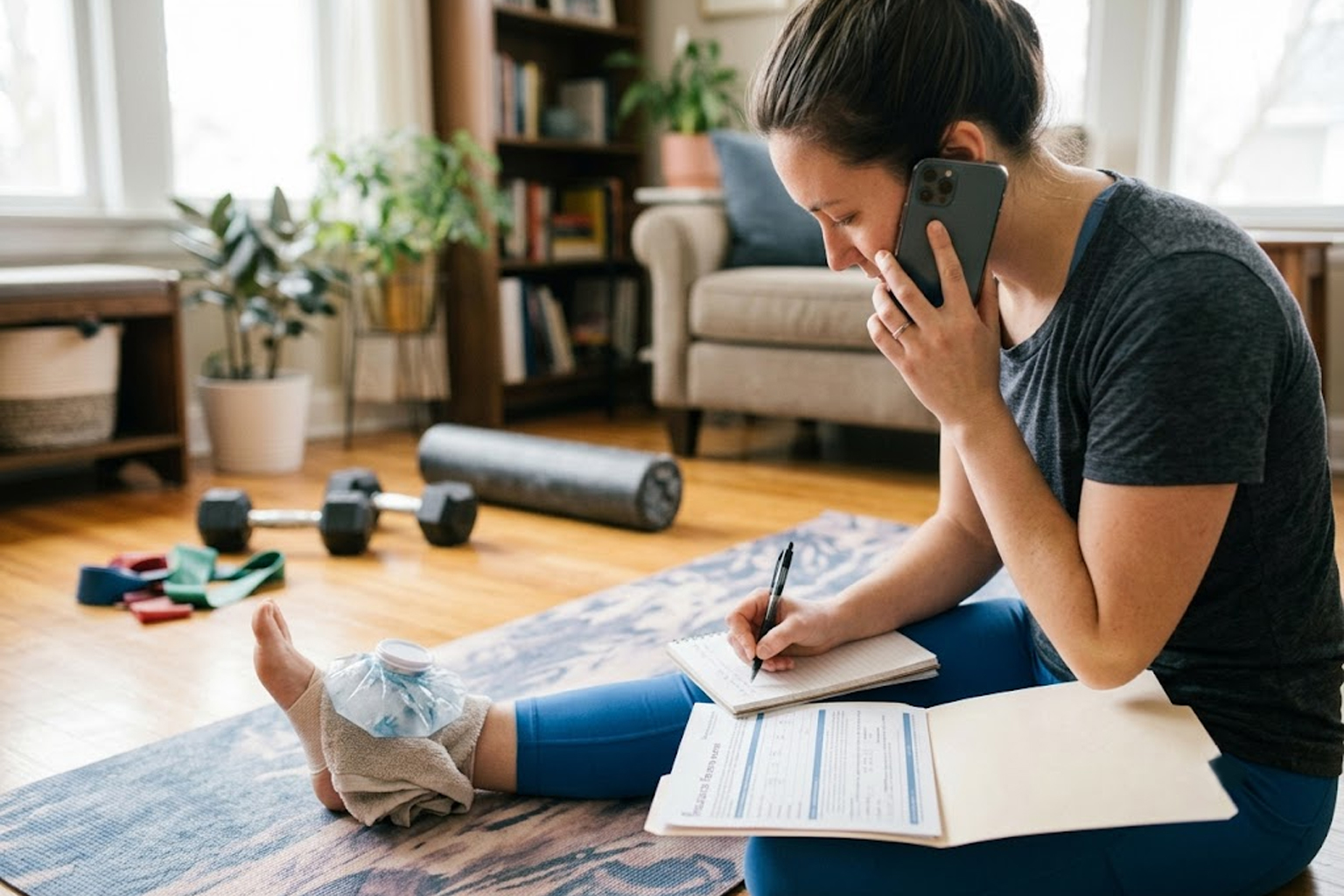
Accurate documentation is critical when seeking coverage for a workout-related injury. Immediately record what happened, including time, activity, any equipment used, witnesses, and the specific symptoms you experienced. If you seek medical attention, request detailed medical notes, imaging reports, and an itemized bill to support your claim. Prompt documentation improves the clarity of your claim and reduces the chance of disputes over the cause or timing of the injury.
Report the event to your insurer following their procedures, either online or by phone, and ask for a claim number. Keep copies of all communications and confirmations until the claim is resolved.
Preventive benefits and telehealth options
Many plans now cover preventive services such as wellness visits, injury-prevention counseling, and virtual consultations that can reduce the likelihood of accidents. Telehealth can be a first step after a minor incident to assess whether in-person care is necessary and to get documentation for a claim. Check whether your plan offers discounted rates for fitness assessments or covers sessions with licensed therapists or trainers who can recommend safer exercise practices. Leveraging preventive benefits can reduce injury risk and improve claim outcomes if an incident occurs.
Use covered preventive services proactively to document baseline health and receive professional guidance tailored to your home routine.
Filing claims and resolving denials
When submitting a claim, include all supporting documents: medical records, bills, incident notes, and any relevant photos or witness statements. Follow insurer timelines closely, and keep copies of every submission. If a claim is denied, request a written explanation, gather additional evidence, and use the formal appeal process within the specified deadlines. Professional assistance from a patient advocate or insurance counselor can be helpful for complex denials or ambiguous policy language.
Persistence and organized records often determine whether an initial denial can be overturned, so remain calm and methodical throughout the process.
Conclusion
Preparing ahead and documenting carefully are the best ways to align home exercise habits with your medical coverage. Review your policy, use preventive benefits, and keep clear records if an incident occurs. These steps minimize financial surprises and help you return to safe, effective workouts sooner.