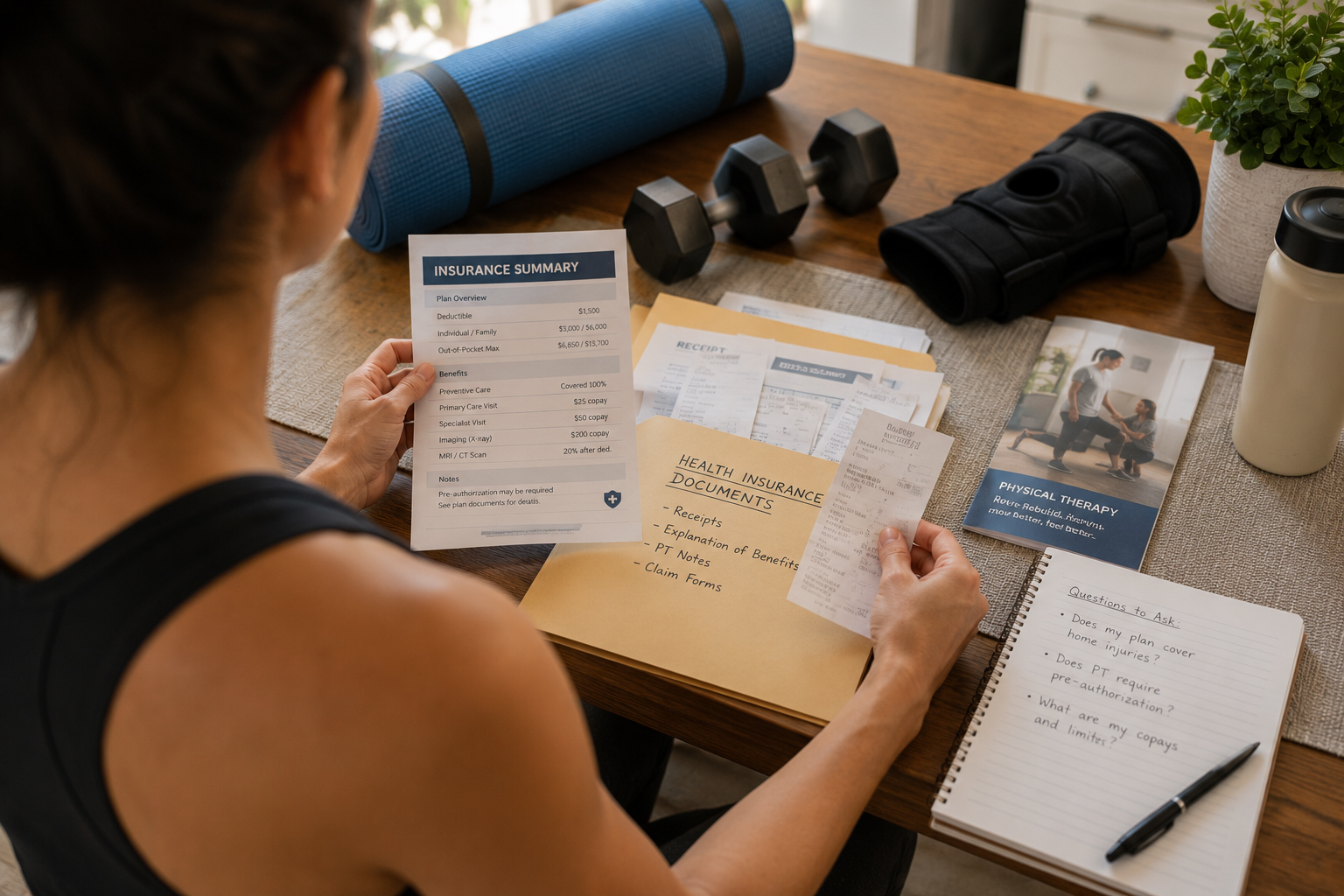
Maintaining an active lifestyle at home brings many health benefits, and the right health plan can make recovery and routine care simpler and more affordable. Reviewing coverage details before an injury or medical issue happens reduces surprise bills and stress. This introduction highlights practical policy elements to prioritize so you can exercise with greater confidence and financial clarity. Focus on benefits that match how and where you train to get the most from your plan.
Key Policy Features to Check
Start by confirming how your plan treats urgent care, emergency room visits, and outpatient services after an exercise-related incident. Look for coverage of physical therapy, durable medical equipment, and diagnostic imaging since these are common needs following musculoskeletal injuries. Check deductibles, copays, and out-of-pocket maximums to understand when expenses might become significant. Also verify whether provider networks include specialists in sports medicine or physical rehabilitation to avoid steep out-of-network costs.
Knowing these details helps you prioritize which benefits to test when comparing plans. Make a short list of must-have features to simplify decision-making during enrollment.
How to Document and File Claims Efficiently
Good documentation speeds claim approval and reduces disputes when care relates to a home exercise injury. Keep dated notes about the incident, photographs if relevant, receipts for equipment or services, and copies of medical records and referrals. When filing, include a clear timeline and attach supporting documents that show a direct link between the exercise activity and the injury. Contact your insurer early if a prior authorization or referral is required to avoid denied claims.
Organized records also make appeals easier if a claim is initially rejected. Store digital copies in a single folder for quick access during follow-up.
Leveraging Preventive and Telehealth Benefits
Preventive care, wellness programs, and telehealth visits can reduce injury risk and provide rapid guidance when minor issues arise. Check whether your plan offers virtual appointments with physiotherapists or primary care clinicians for early assessment and conservative management. Many plans include fitness and behavior-change resources that can support safer home routines and reduce long-term costs. Using these services proactively can keep small problems from escalating.
Integrate telehealth and preventive benefits into your routine for easier, lower-cost care when questions or mild injuries occur.
Conclusion
Matching plan features to your home-based activity patterns reduces financial surprises and speeds recovery when injuries occur. Review networks, rehab coverage, documentation requirements, and telehealth options during enrollment or annual plan reviews. Clear planning and organized records make your health plan a reliable partner in staying active and healthy.