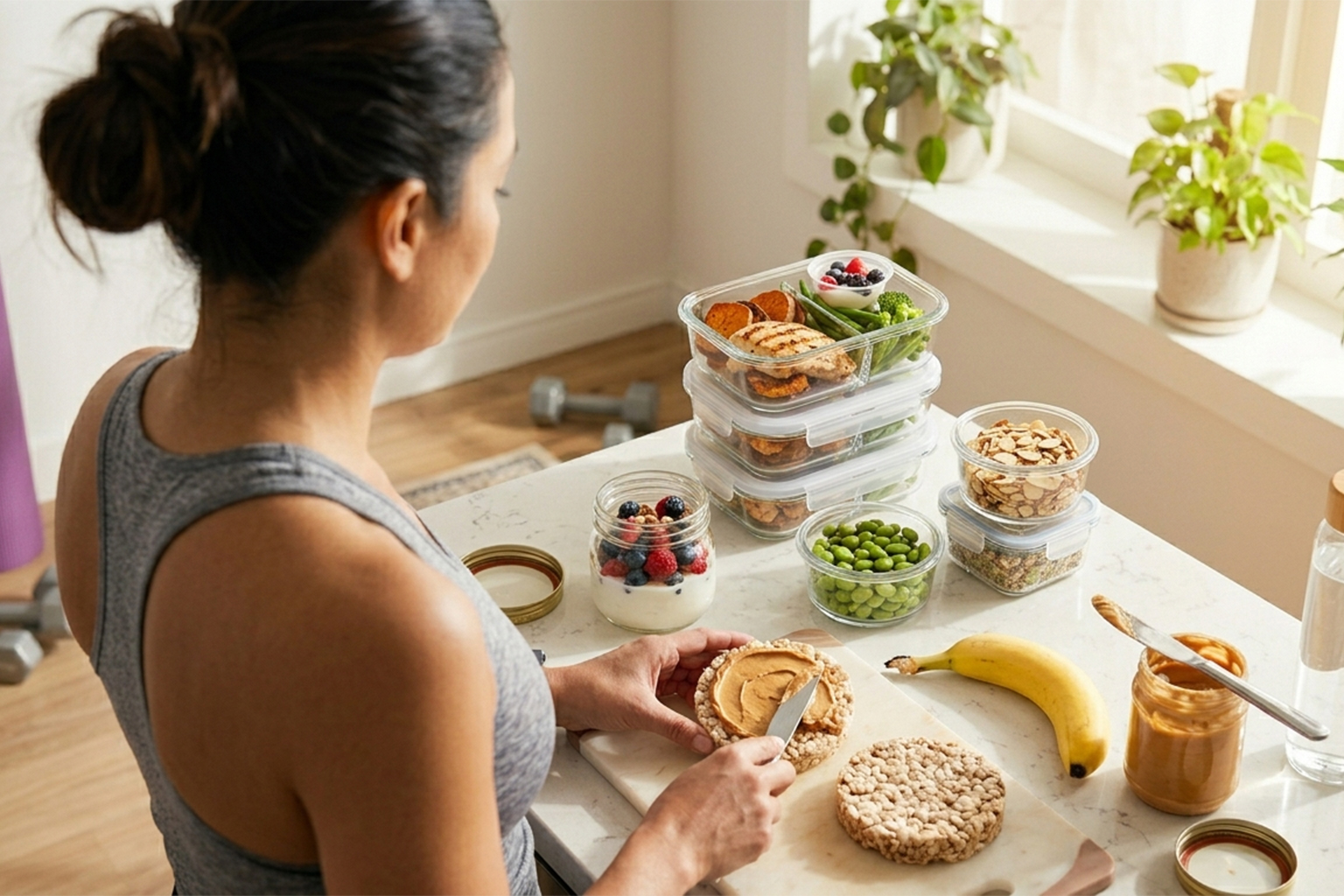
Small, purposeful adjustments to what and when you eat can noticeably improve energy, focus, and recovery for home workouts. You do not need a complicated plan; a few consistent habits can make sessions feel easier and more productive. This article outlines approachable meal and snack tweaks that fit into busy days and limited kitchen setups. The goal is practical, sustainable changes that support performance and overall wellbeing.
Prioritize Balanced Plates
Start each major meal with a balance of protein, complex carbohydrates, and colorful vegetables. Protein supports muscle repair and keeps hunger steady, while carbs provide the quick energy needed for intense sets or cardio intervals. Vegetables add fiber and micronutrients that help recovery and general health. Aim to build meals visually: half the plate veg, a quarter protein, and a quarter whole grains or starchy vegetables.
Small swaps can make a big difference, such as choosing brown rice over white or adding a can of beans to salads. These choices increase satiety and steady fuel during workouts. Over time they also support consistent energy levels between sessions.
Time Meals Around Sessions
Meal timing doesn’t have to be rigid but aligning food with workout windows helps. Eat a moderate meal 2–3 hours before a planned session to ensure adequate energy without discomfort. If you need a quicker option, choose a light snack 30–60 minutes prior that combines carbs and a little protein for sustained fuel. Post-workout, prioritize protein and some carbs to kickstart recovery and replenish glycogen.
Hydration is part of timing as well; sipping water throughout the day and having fluids near your workout supports performance. Adjust portion sizes by workout length and intensity—longer sessions require more carbs, shorter resistance sessions need prioritized protein.
Portable Snacks and Recovery Choices
Simple, portable snacks make it easier to maintain fuel patterns without elaborate preparation. Options like yogurt with fruit, a small handful of nuts and dried fruit, or whole-grain toast with peanut butter combine nutrients efficiently. After training, a recovery snack with a 3:1 ratio of carbs to protein supports muscle repair and restores energy stores. These small routines reduce the temptation to skip meals or overeat later.
- Pre-workout: banana or rice cake with nut butter
- Post-workout: yogurt with berries or a protein smoothie
Preparing a few grab-and-go choices each week saves time and prevents poor impulse choices. Keep portions sensible and focus on nutrient density rather than perfection.
Conclusion
Implement a few targeted food and timing tweaks to enhance energy and recovery for home workouts. Focus on balanced meals, sensible meal timing, and easy portable snacks to stay consistent. Small, repeatable habits will deliver measurable benefits over time.