

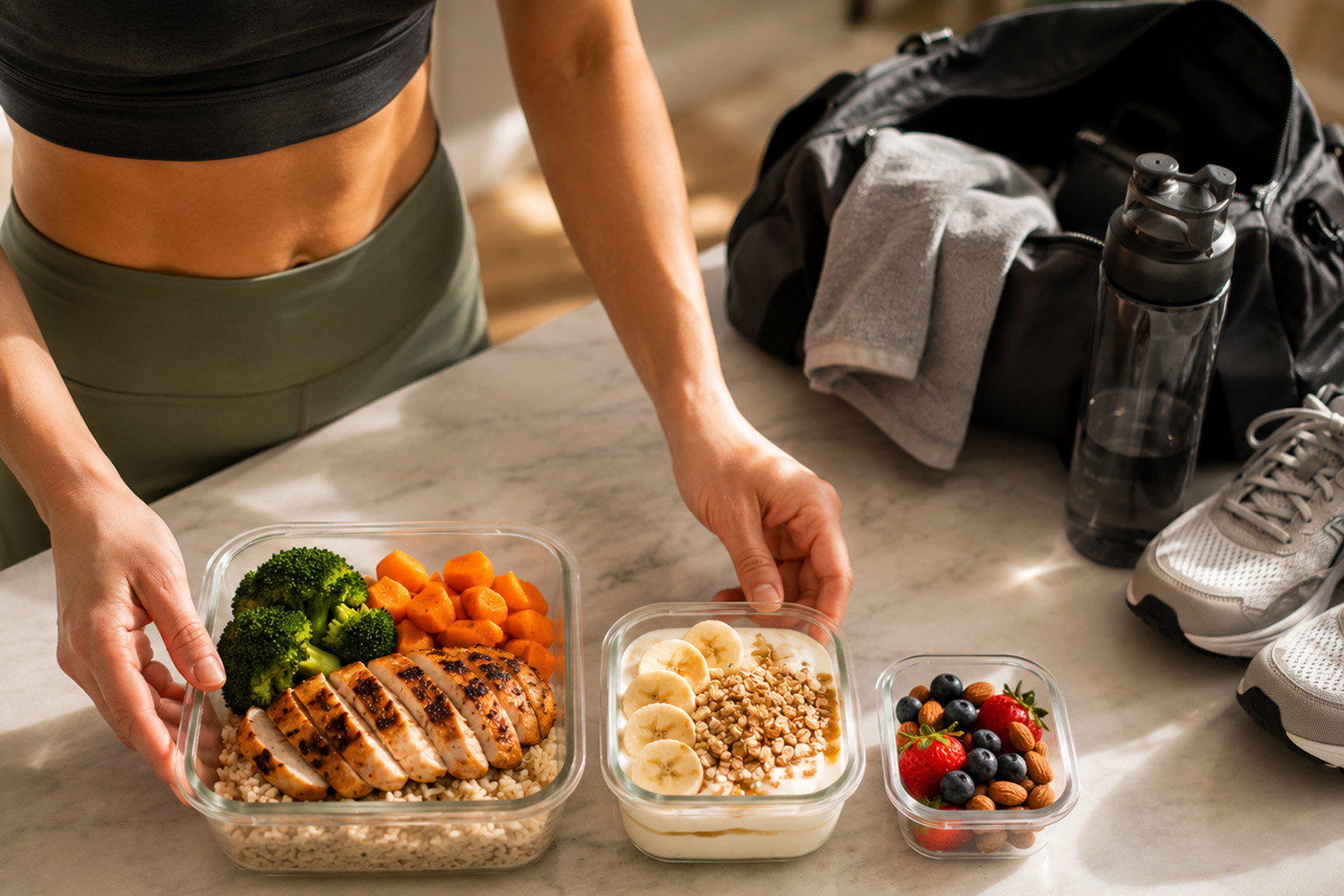
Nutrient pacing arranges what and when you eat to keep energy steady during training sessions. It emphasizes smart combinations of carbohydrates, protein and moderate fats timed around your workout window. The goal is to avoid energy crashes while supporting performance and recovery for short to moderate exercise bouts. These practical meal ideas fit into real-life routines and require minimal shopping or prep.
Principles of nutrient pacing
Start by prioritizing a source of carbohydrate for immediate fuel paired with lean protein to slow digestion and protect muscle. Include a small amount of healthy fat when appetite and digestion permit, but avoid heavy meals close to intense sessions. Portion size should match session length and intensity: lighter plates for 20–45 minute efforts, larger for longer or more intense work. Hydration and familiar foods are equally important to prevent gastrointestinal surprises during training.
Applying these principles consistently makes energy more predictable across the day. Small adjustments to portion and timing help tune the approach to individual needs.
Pre-workout meal examples
Practical pre-workout meals balance digestibility with nutrient density to deliver steady energy without heaviness. Aim to eat a larger meal two to three hours before training or a compact snack 30–60 minutes beforehand depending on your tolerance. Match carbohydrate type to timing: whole grains and starchy vegetables earlier, simple carbohydrates like fruit if you need quicker fuel. Include 15–25 grams of protein in the earlier meal to support muscle and satiety.
- Two hours before: brown rice bowl with grilled chicken and steamed vegetables.
- One hour before: yogurt with banana slices and a small scoop of oats.
- 30 minutes before: a piece of fruit and a handful of nuts or a small protein shake.
These examples are flexible and can be mixed with pantry staples. Test combinations during easier sessions to find what feels best for you.
Evening and recovery plates
After evening sessions prioritize a recovery plate that replenishes glycogen and supports repair with quality protein. Combine a starchy carbohydrate, a lean protein source and vegetables to restore energy and supply micronutrients. Moderate fats are fine but keep the meal portioned sensibly to avoid interfering with sleep or next-day appetite. Timing within 60–90 minutes after training tends to be effective for most people.
Consistent recovery meals help maintain training intensity over the long term. Small tweaks in composition can improve how you feel the next day.
Conclusion
Design meals around the timing of your sessions and the intensity you plan to do. Balance carbohydrates for fuel with protein for repair and include modest fats to support fullness. With simple, repeatable plates you can keep energy steady and make workouts more productive.










