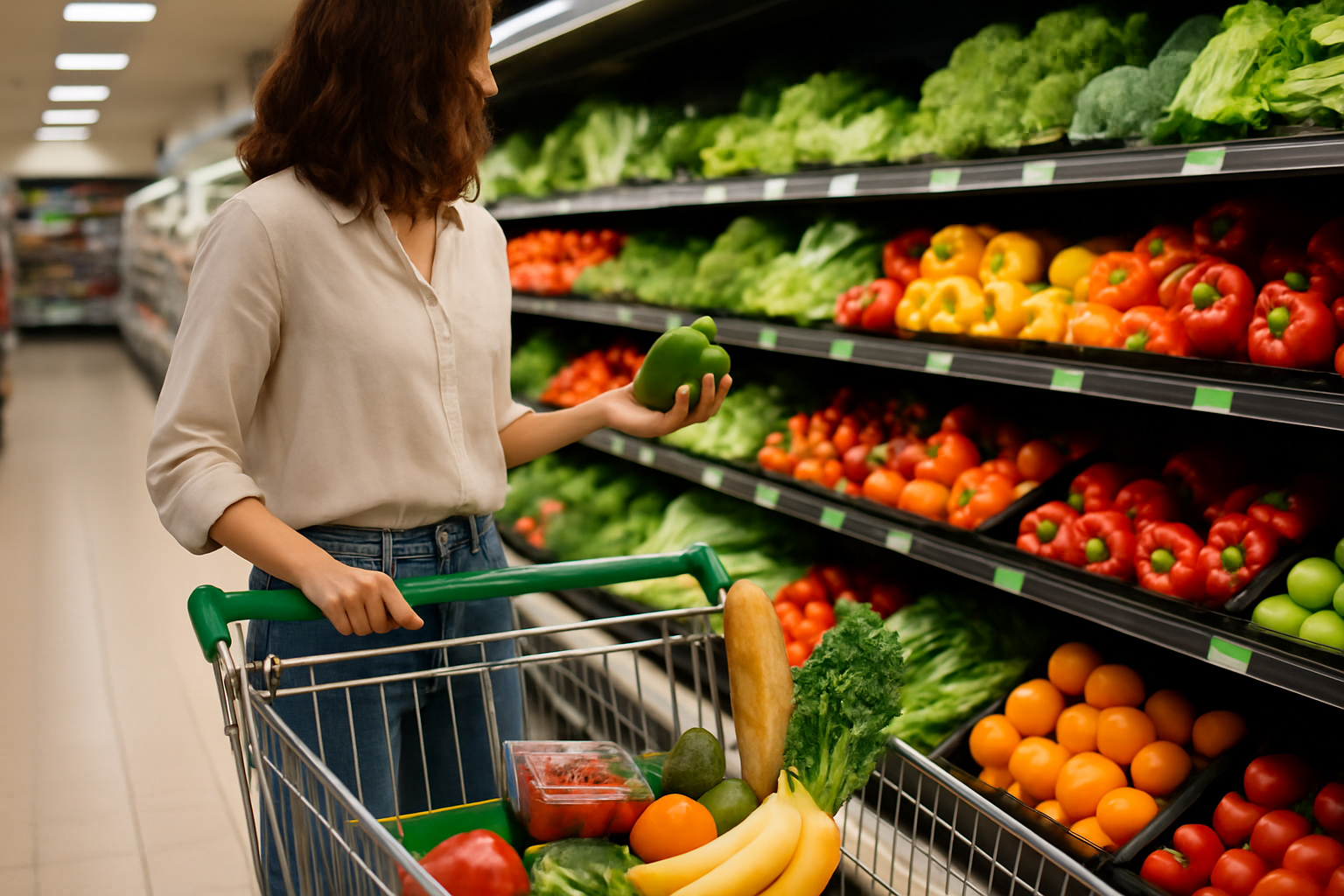
Most people walk into a grocery store and follow the same path every time, starting at the nearest aisle and ending wherever convenience leads. But this habitual route can unintentionally influence what ends up in your cart. Grocery zoning is a smarter, intentional approach that restructures your shopping path to prioritize nutritious choices and reduce impulse buys. By planning your route strategically, you can improve meal quality, save money, and create healthier eating habits without changing your food preferences.
Why Your Shopping Route Matters
Grocery stores are designed to guide you toward high-margin items, often ultra-processed snacks or quick-grab foods. When shoppers follow this default layout, they are more likely to choose convenience over nutrition. Grocery zoning flips this pattern by encouraging you to start in nutrient-dense areas like produce, proteins, and whole foods. This shift helps anchor your cart with healthier essentials before adding anything else.
How Grocery Zoning Improves Meal Quality
Starting in the produce section naturally increases the amount of fresh ingredients you buy. When your cart is already filled with colorful fruits, vegetables, and whole ingredients, you’re more likely to plan balanced meals around them. After produce, zoning toward lean proteins, whole grains, and pantry basics ensures your meal prep foundation is strong. Only after these essentials are added do you move into optional aisles, which reduces impulse purchases and leads to more intentional cooking choices throughout the week.
Creating Your Own Grocery Zones
Grocery zoning doesn’t require a new diet, just a new order of movement. A simple zone strategy starts with produce, follows with proteins and dairy, then ends with pantry staples and frozen foods. Some shoppers create themed zones for efficiency: “meal bases,” “flavor boosters,” and “healthy snacks.” By organizing your path around what contributes most to your meals, shopping becomes faster, more focused, and more aligned with your wellness goals.
A Smarter Way to Shop
With grocery zoning, shopping becomes a mindful activity rather than a routine errand. You build meals at the store in a way that supports better eating at home. Over time, this practice helps reduce food waste, improve meal planning, and enhance nutritional balance. It’s a small change that leads to better long-term habits.
Conclusion
Grocery zoning is a simple yet powerful strategy that reshapes how you shop and eat. By rearranging your shopping route to prioritize whole foods and essential ingredients, you can improve meal quality without drastically changing your lifestyle. A smarter path through the store leads to smarter meals at home.