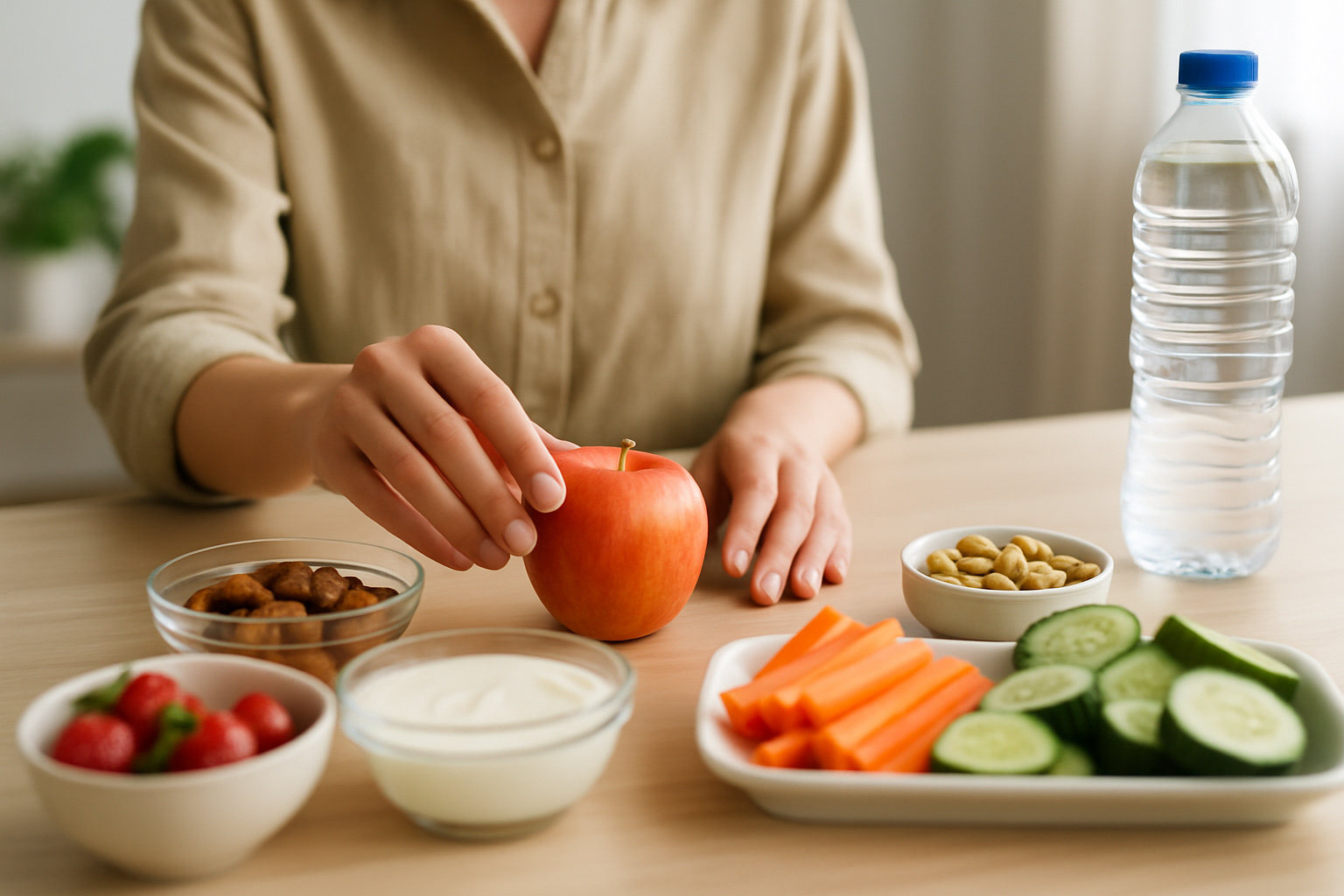
Healthy eating isn’t just about what you eat, it’s also about when you eat. Smart snacking windows are a growing nutrition strategy that encourages people to enjoy snacks at intentional times rather than grazing throughout the day. By setting specific windows for snacking, individuals can stabilize hunger levels, reduce overeating, and make more thoughtful food choices. This simple approach helps balance energy, improve digestion, and support long-term wellness.
Why Timing Matters for Snacking
Unplanned snacking often happens out of boredom, stress, or habit—not hunger. This leads to extra calories and mindless eating. Smart snacking windows help regulate hunger hormones by creating predictable intervals between meals and snacks. When your body adjusts to these patterns, cravings decrease, and you become more aware of true hunger signals. This makes it easier to avoid emotional or impulsive eating.
Creating Effective Snacking Windows
The key to smart snacking is consistency. Many people choose mid-morning and mid-afternoon windows, spacing snacks evenly between meals. This prevents blood sugar from dipping and keeps energy levels steady. Within these windows, choosing nutrient-rich foods—like nuts, fruit, yogurt, or whole grains—helps prevent overeating later in the day. Planning snacks ahead of time also reduces the temptation to reach for sugary or heavily processed options.
How Smart Snacking Reduces Overeating
When snacks are consumed at specific times, the brain builds a routine that curbs random grazing. This approach also encourages portion control, since you know another snack opportunity is scheduled. By preventing long stretches of hunger or sudden cravings, smart snacking windows create a balanced rhythm that supports weight management and better food decisions. Over time, this structure leads to fewer late-night cravings and healthier overall eating patterns.
Building a Healthy Routine
Smart snacking isn’t restrictive, it’s strategic. It allows flexibility while teaching awareness. Whether you’re working from home, managing a busy office schedule, or balancing family life, setting snack times can simplify your day. Pairing these windows with hydration and mindful eating practices can make them even more effective. With consistency, this routine becomes a long-term habit that supports better health.
Conclusion
Smart snacking windows help reduce overeating by bringing structure and intention to everyday eating habits. By choosing specific times for snacks and focusing on nutritious options, individuals can maintain energy, control cravings, and support healthier routines. This simple shift offers a powerful way to improve overall well-being.