Short, focused training sessions need smart, compact nutrition to sustain energy and support recovery. For many people who exercise at home, lengthy meals aren’t practical before or after brief workouts. Choosing the right combinations of carbohydrates, protein and healthy fats in small portions helps you move and recover better. This article outlines quick meal ideas and timing tips you can apply on days with short training sessions.
Pre-workout Mini Meals
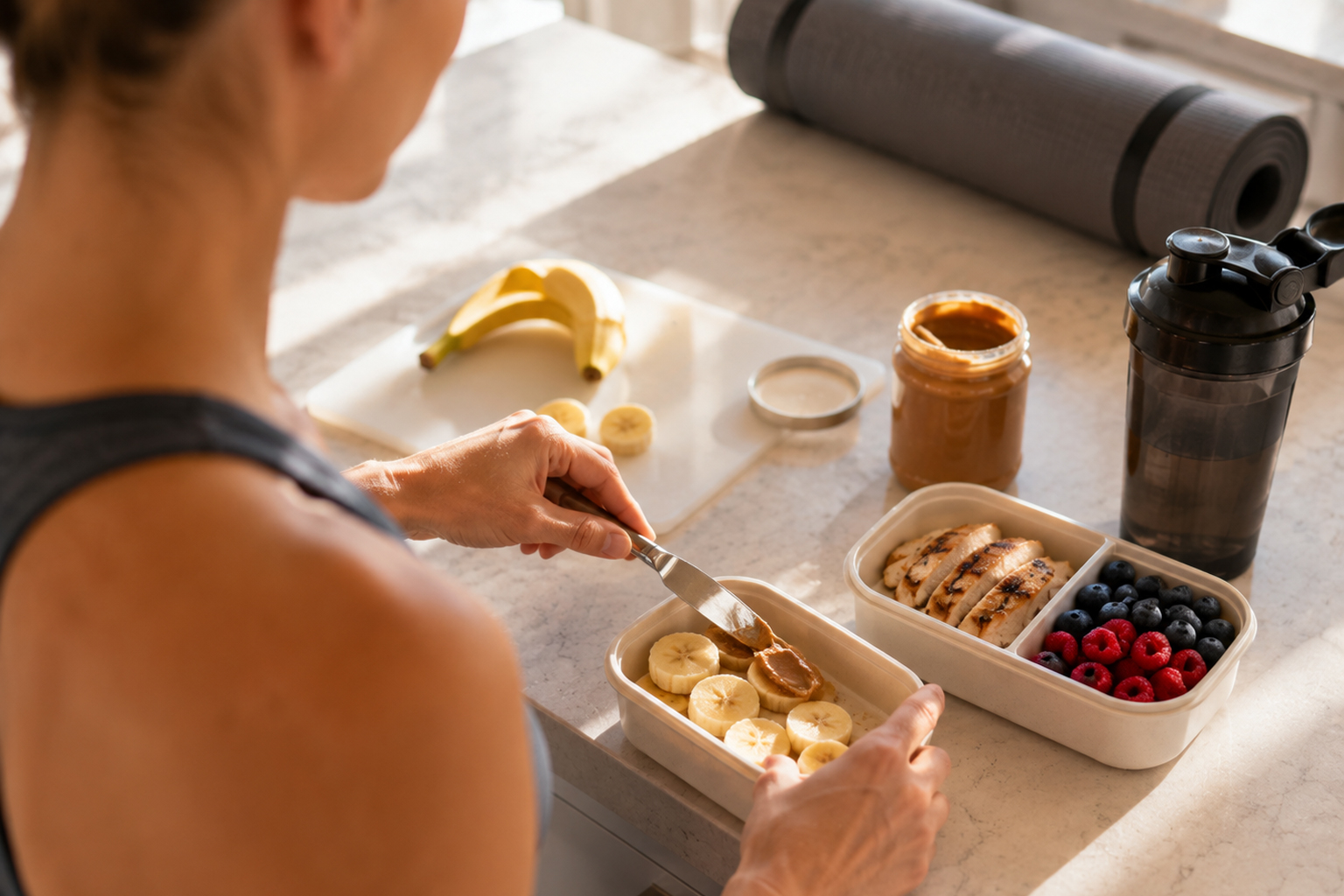
Before a short, intense session aim for easily digestible carbohydrates paired with a small amount of protein. Examples include a banana with a spoon of nut butter, a piece of toast with honey, or a small yogurt with berries. These choices raise blood glucose and provide quick fuel without weighing you down. Keep portions modest and test timing so you avoid discomfort. Include easily absorbed options if training very soon after eating to minimize stomach upset.
Plan to eat 30–90 minutes before exercising depending on your tolerance. Hydration also supports performance, so pair the mini-meal with water. If you tolerate food well, a slightly larger snack can be fine.
Post-workout Recovery Minis
After short workouts the focus shifts to replenishing glycogen and kickstarting muscle repair with protein. Simple options include a protein shake with fruit, cottage cheese and fruit, or a chicken and avocado wrap cut into a small portion. Aim for roughly a 3:1 or 2:1 ratio of carbs to protein for brief sessions, though individual needs vary. Keep the snack balanced to support repair without a heavy full meal. Liquid forms like smoothies are useful when appetite is low.
If a full meal is coming soon, smaller recovery snacks are sufficient. Time the recovery intake within an hour when possible. Monitor how you feel and adjust portions over days.
Practical Portioning and Timing
Keep portions controlled by using visual cues: a palm-sized protein portion, a cupped hand of carbs, and a thumb-sized serving of fat. Preparing a few go-to mini-meals in advance makes on-day choices faster and more consistent. Use containers or snack boxes to portion out ingredients for convenience and to avoid overeating. Adjust quantity based on workout intensity, duration, and your hunger cues. Seasoning and simple sauces can keep mini-meals satisfying without heavy calories.
Experiment with combinations to find what feels best for your body and schedule. Consistency over time yields better energy and recovery for frequent short workouts. Track simple metrics like energy and soreness to refine choices.
Conclusion
Short workouts can be effectively supported with small, balanced meals tailored to timing and personal tolerance. Prioritize simple carb-protein combos, reasonable portions, and hydration to sustain performance and recovery. With a handful of prepared options you can fuel brief sessions without disrupting your day.