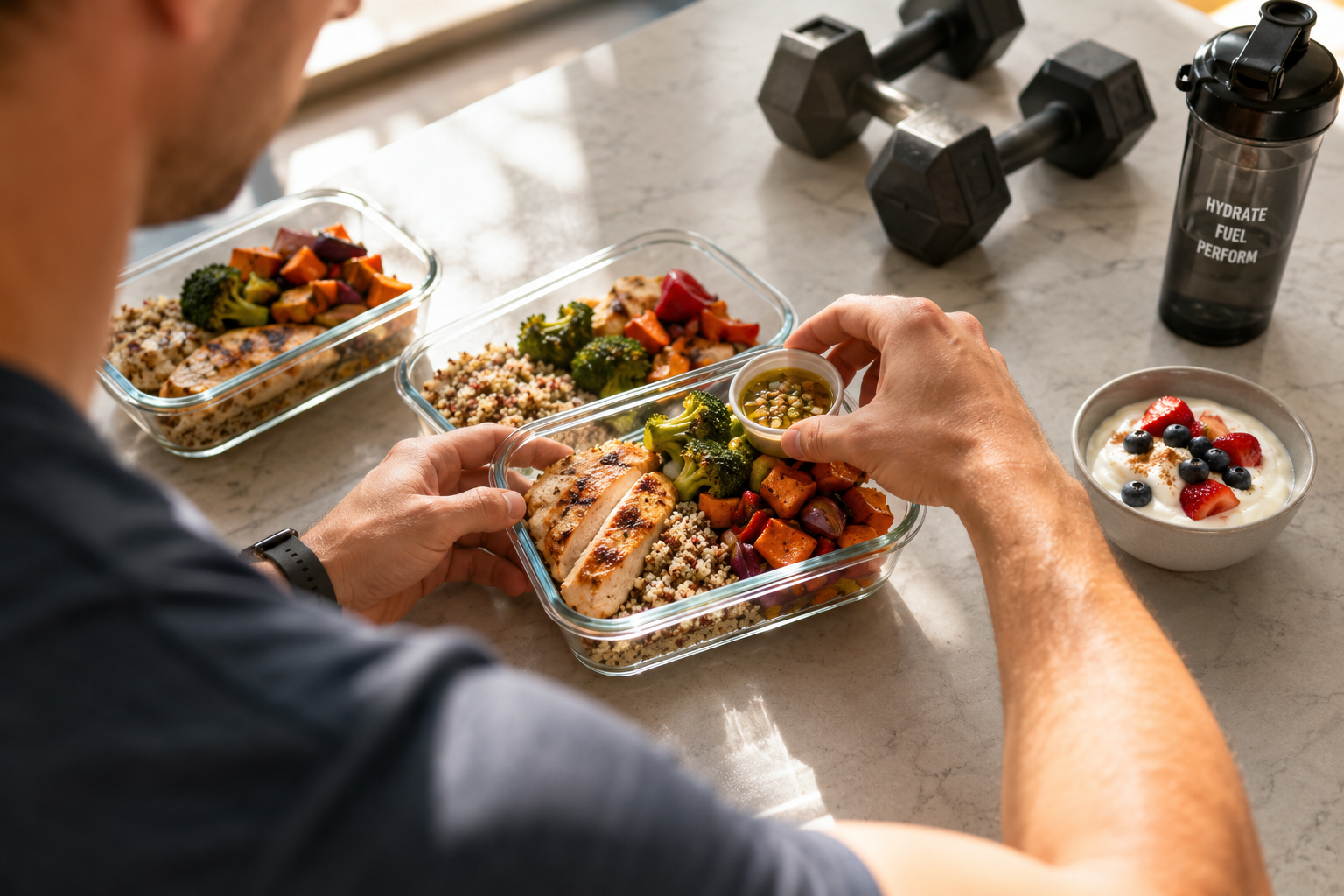
Consistent recovery after at-home workouts depends as much on what you eat as on how you train. Small, reliable food frameworks make it easier to meet energy and protein needs without adding complexity to busy routines. This article outlines practical approaches to build meals that support muscle repair, replenish glycogen, and control inflammation. Each idea is adaptable to common pantry staples and simple cooking methods.
Macronutrient basics for effective recovery
Recovery-focused meals prioritize a balance of protein, carbohydrate, and healthy fats to support different processes in the body. Protein supplies the building blocks for muscle repair, carbohydrates help restore glycogen stores, and fats support hormone production and reduce prolonged inflammation. Aim for a protein source at each main meal and include a carbohydrate portion that matches your training intensity. Choosing whole-food versions helps maintain micronutrient density and satiety.
Practical choices include lean proteins, legumes, whole grains, and a variety of vegetables for both recovery and overall health. Adjust portion sizes based on workout length and personal goals so meals remain satisfying and sustainable.
Practical meal templates to simplify daily cooking
Use repeatable plate templates to reduce decision fatigue while keeping nutrition consistent. One template might be: a palm-sized portion of protein, a fist-sized portion of carbohydrate, two cupped-hands of vegetables, and a thumb-sized portion of healthy fat. Another template for lighter recovery could swap a larger vegetable portion for a smaller carbohydrate serving while preserving protein.
Batch-cooking components like roasted vegetables, cooked grains, and a simple protein source allows quick assembly throughout the week. These templates help maintain variety by rotating seasonings, sauces, and vegetable choices without changing the underlying nutrient balance.
Timing and simple snack strategies around workouts
Timing meals and snacks can improve performance and recovery but should fit individual schedules and preferences. A balanced snack with carbohydrate and protein 30–90 minutes after a workout supports glycogen restoration and muscle repair; examples include yogurt with fruit or a whole-grain toast with nut butter and a side of cottage cheese. Hydration and electrolytes are also important, especially after sweat-heavy sessions.
Keep portable, shelf-stable options on hand for busy days, such as mixed nuts with dried fruit or single-serve tuna and whole-grain crackers. These quick choices prevent long gaps between eating and help maintain steady recovery progress.
Conclusion
Simple, repeatable frameworks make recovery nutrition manageable and effective for home training routines. Focus on balanced plates, predictable templates, and timely snacks to support repair and energy. Small, consistent choices add up to better performance and long-term progress.