Finding the right combination of meals and snacks can keep energy steady for at home workouts.
This article outlines simple, repeatable options that are easy to prepare and adapt.
Focus is on practical balance rather than strict rules, so habits stick over time.
You’ll get quick templates and timing tips that work for busy days.
Prioritize Protein and Fiber
Protein and fiber are the backbone of a reliable workout plate. They slow digestion, promote fullness, and support recovery after sessions. Aim for a palm-sized portion of protein with each meal and include a fist-sized portion of vegetables or whole grains. Together they stabilize blood sugar and help sustain energy through training.
Simple swaps like Greek yogurt, canned tuna, eggs, and beans make hitting protein easy. Prioritizing fiber from vegetables, legumes, or whole grains keeps snacks more satisfying.
Simplify Portions and Timing
Keep meal portions consistent so you avoid overeating before a workout or running low mid-session. A modest snack 30 to 90 minutes before training can improve focus without discomfort. For longer sessions, schedule a carbohydrate-rich snack earlier and include protein soon after to support recovery. Experiment with timing on rest days to find what feels sustainable for your routine.
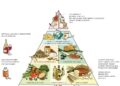
Use simple portions like half the plate vegetables, a quarter protein, and a quarter carbs as a repeatable guide. These proportions reduce decision fatigue and translate across meals.
Quick Meal Ideas for Busy Days
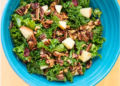
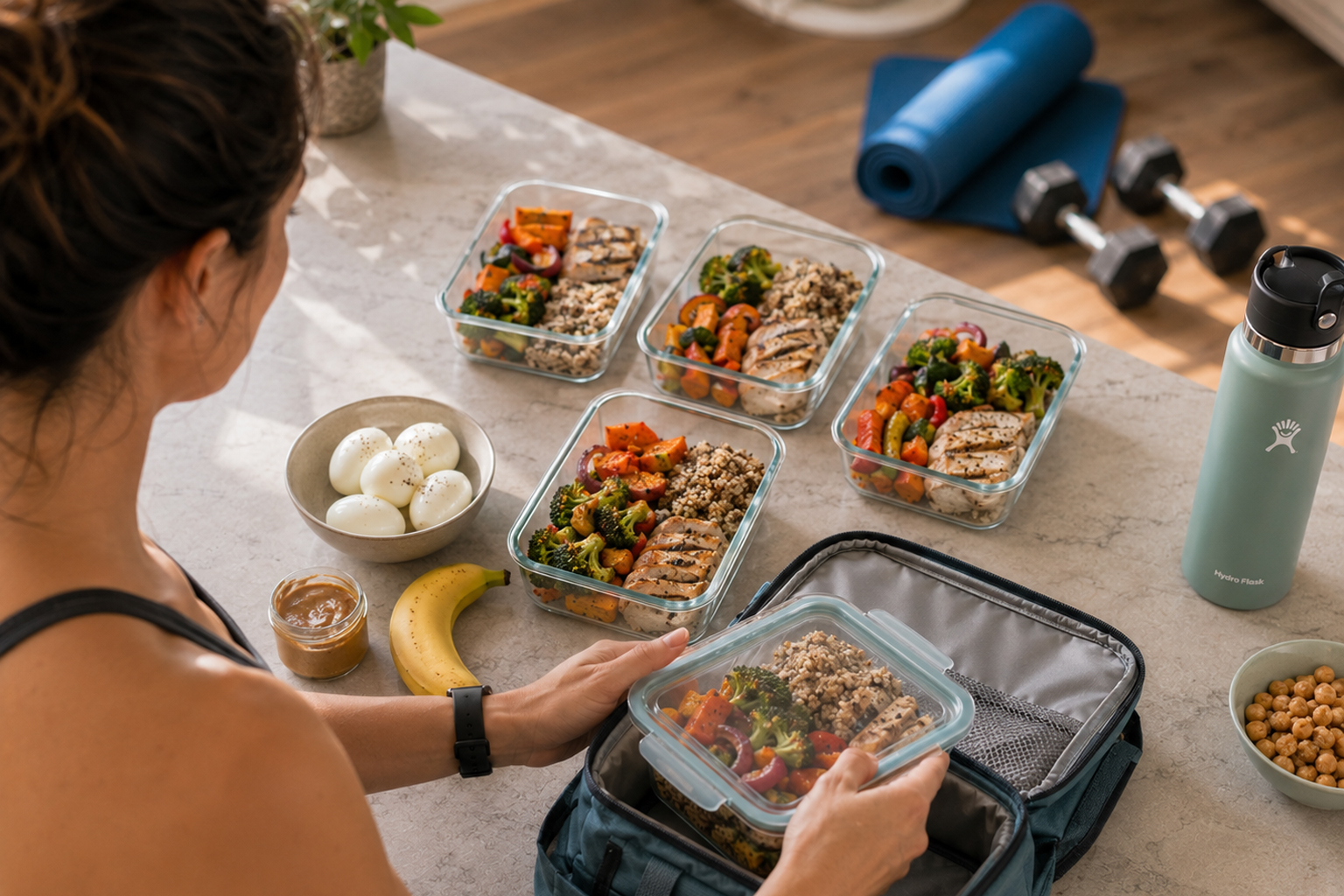
Build a short list of go-to meals to prevent last-minute poor choices. Think: oatmeal with nut butter and fruit, a whole-grain wrap with lean protein and veggies, or a grain bowl with roasted vegetables and a can of beans. Batch-cooked roasted vegetables and grilled protein can be mixed differently across the week to keep variety without extra work. Snacks like a banana with almonds or cottage cheese with berries are portable and effective.
Prep once and assemble many ways to stay motivated. Keeping affordable staples on hand makes consistency realistic.
Hydration and Small Extras
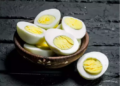
Hydration influences perceived energy and cognitive focus during short workouts. Aim to sip water throughout the day and include a small electrolyte source if you sweat heavily or exercise for longer than an hour. Small extras like a tablespoon of nut butter, a boiled egg, or a piece of fruit can bridge the gap when a full meal isn’t possible. Pay attention to how you feel during sessions and adjust these micro choices accordingly.
Monitoring thirst and urine color is a simple hydration habit that translates well to daily life. Thoughtful small choices make a big difference over weeks.
Conclusion
Small adjustments to meals and snack timing can produce steady energy for home workouts.
Start with protein at each meal, sensible portion guides, and a short list of go-to dishes.
These habits fit into busy lives and support consistent training over the long term.