Creating predictable meal patterns makes at-home exercise easier to sustain and more effective. When you align portions and timing with workout demands you reduce mid-session fatigue and speed recovery. Small, consistent adjustments to what and when you eat help maintain steady energy across the day. This article outlines practical meal windows and simple plate ideas you can adopt without fancy ingredients or complex planning.
Timing Your Meals Around Workouts
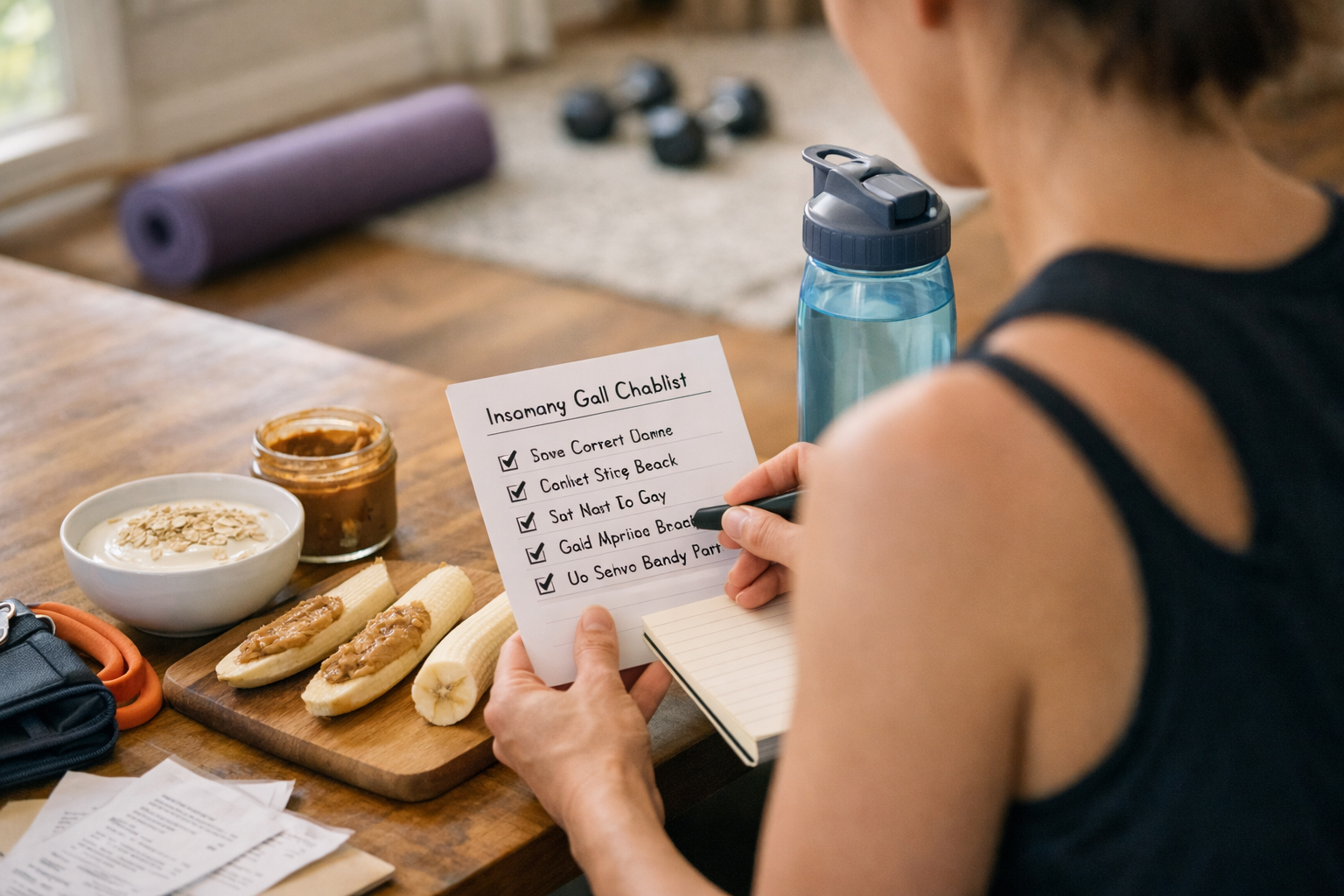
Plan a light, carbohydrate-focused snack 30–90 minutes before a session to top up glycogen and improve focus, such as a banana with a spoonful of nut butter or yogurt with a few oats. For longer or more intense training, include a moderate protein source so amino acids are available during recovery. After exercise aim to eat within 60–90 minutes to support muscle repair and replenish energy stores with a balanced mix of carbs and protein. Consistency matters: try to keep your pre- and post-workout windows similar each training day to train your appetite and energy patterns.
Small adjustments in timing often beat drastic diet changes; shifting a meal by 30 minutes can prevent sluggishness during workouts. Test what feels best for your routine and adjust progressively rather than all at once.
Simple Plate Composition for Energy and Recovery
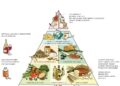
Build meals around three components: a quality carbohydrate, a lean protein, and a vegetable or fruit for fiber and micronutrients. Carbohydrates like rice, potatoes, or whole grain bread refuel muscles; proteins like eggs, legumes, or poultry support repair; and produce provides vitamins that help overall function. Keep portions balanced rather than strict to make this approach sustainable and adaptable to appetite and activity level. Emphasize whole foods and variety over perfection to improve long-term adherence.
- Carb + protein + veg at main meals
- Smaller carb-forward snacks before workouts
A simple template makes grocery shopping and meal prep faster, and it reduces decision fatigue on training days.
Practical Snack and Hydration Strategies
Hydration influences perceived exertion, so sip fluids throughout the day and include electrolytes for longer sessions or heavy sweating. Choose portable snacks that travel well around workouts: yogurt, a piece of fruit, nuts, or a small sandwich; these provide a quick mix of energy and sustained release. Monitor how different combinations affect energy and digestion, and prefer snacks you enjoy to ensure consistency. Keep portions modest so snacks support, rather than replace, main meals.
Preparing a few go-to snack combinations and a water strategy will make it easier to stay fueled and recover reliably from home workouts.
Conclusion
Consistent meal windows and balanced plates simplify fueling for at-home training and reduce energy dips. Small, practical changes in timing and composition improve performance and recovery without major lifestyle overhauls. Start with one habit, track how you feel, and build from there for steady progress.