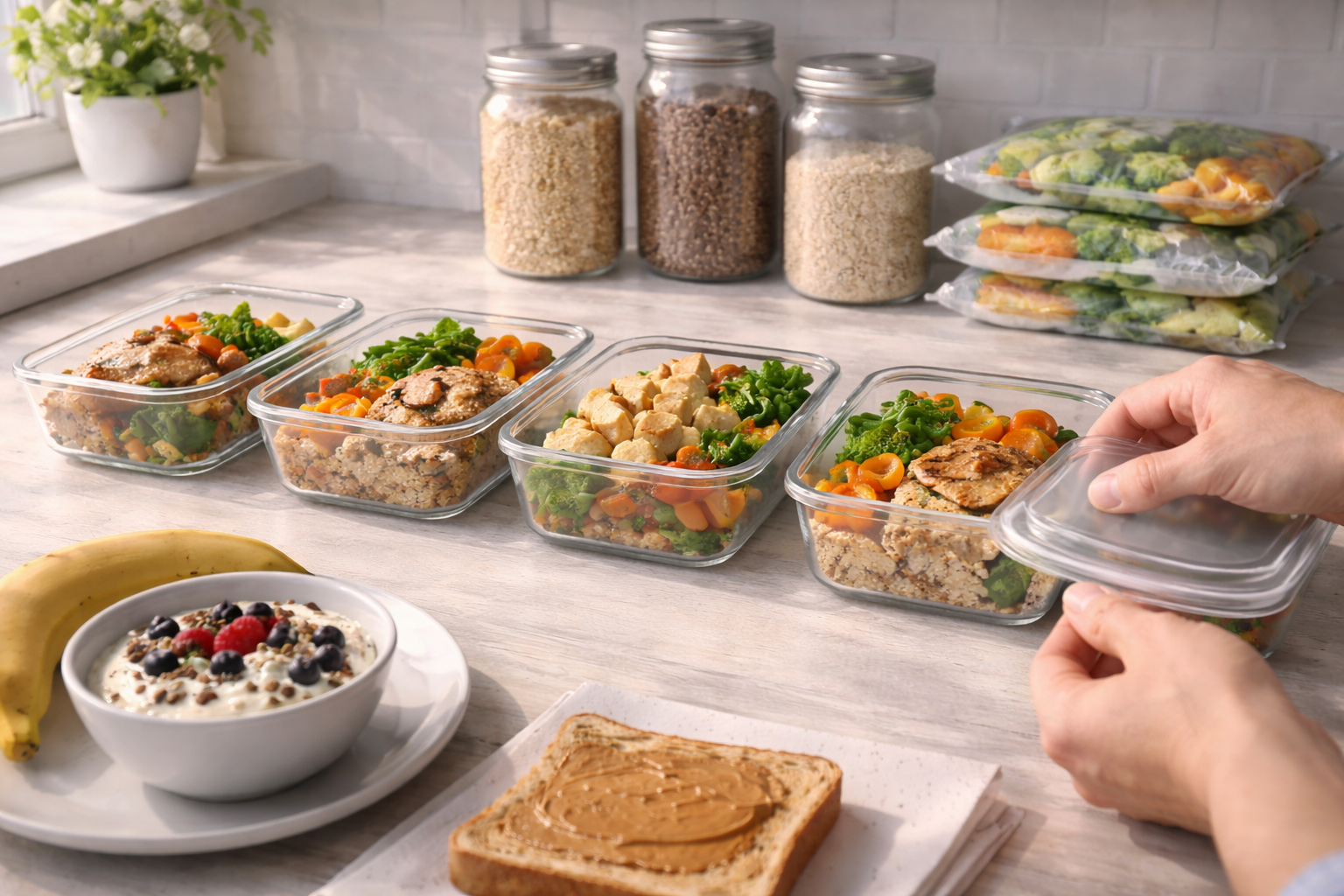
Creating a sustainable nutrition plan is key to getting the most from at-home workouts. Small, consistent choices influence energy, recovery, and long-term progress. This article outlines straightforward strategies you can use without complicated diets or expensive ingredients. Follow practical tips to fuel training sessions and support recovery across the week.
Macronutrients and Meal Timing
Focus on a balance of carbohydrates, protein, and healthy fats to match your workout intensity and goals. Carbohydrates provide readily available energy for higher-intensity sessions, while protein supports muscle repair and adaptation. Healthy fats contribute to satiety and hormone balance, and including them in meals helps steady energy between workouts. Adjust portion sizes and timing based on whether you train in the morning, midday, or evening.
Ideally, aim for a carbohydrate-focused snack 30–90 minutes before intense workouts and a protein-containing meal within two hours after training. For lighter sessions or mobility work, a modest snack or balanced meal is sufficient. These simple timing rules help reduce fatigue and support recovery without overcomplicating planning.
Simple Meal Templates for Energy and Recovery
Using templates makes meal prep faster and less stressful while ensuring you get essential nutrients. A balanced plate might include a lean protein, a fibrous vegetable, a whole-grain or starchy carbohydrate, and a small portion of healthy fat. Swap ingredients to keep meals interesting and aligned with personal tastes and budget.
- Pre-workout: banana or toast with nut butter, plus water.
- Post-workout: grilled chicken or tofu, quinoa or rice, and mixed vegetables.
- Snack: Greek yogurt with berries and a sprinkle of seeds.
Rotate these templates across the week and scale portions to match energy expenditure. Keeping meals predictable helps you hit macronutrient needs without tracking every gram.
Smart Shopping and Meal Prep Habits
Plan grocery trips around versatile, shelf-stable staples and a few fresh items to minimize waste. Batch-cook grains and proteins at the start of the week, portion snacks, and pre-chop vegetables to reduce decision fatigue on busy days. Simple storage solutions make it easier to assemble balanced meals quickly after workouts.
- Buy whole grains, canned legumes, frozen vegetables, and a few fresh produce items.
- Cook proteins in bulk and refrigerate or freeze single-serving portions.
- Keep quick snacks visible and ready to grab to avoid less-ideal choices.
These habits save time and help maintain consistency, which is more important than perfection for most people. Consistent, practical preparation supports adherence and long-term results.
Conclusion
Balanced, repeatable nutrition supports energy, performance, and recovery for home training. Use simple meal templates and minimal prep routines to stay consistent without stress. Small daily habits build sustainable progress over time.