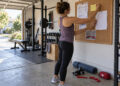
Keeping your workout area and gear in good condition is a simple way to lower injury risk and stay consistent. Small maintenance habits, thoughtful layout choices, and attention to wear and tear reduce surprises during exercise. This article outlines practical steps for inspecting equipment, arranging space, and supporting safer movement patterns. Follow these measures to create a more reliable and comfortable home fitness environment.
Equipment upkeep and inspection
Regularly checking machines, straps, bands, and weights helps catch faults before they cause harm. Look for fraying on resistance bands, loose bolts on benches, and uneven wear on treadmill belts; these issues often worsen quickly if ignored. Clean sweat and dust from contact points to preserve grips and prevent slippage, and replace any cushioning or protective feet that have degraded. Treat maintenance as part of your routine rather than an occasional chore.
Keep a simple log or checklist to track inspections and repairs. That habit makes it easier to spot patterns and plan replacements before failure affects workouts.
Flooring, layout and clearance
Floor surface and equipment placement directly affect balance, impact absorption, and trip risk. Choose non-slip surfaces and add protective mats under free weights or machines to protect both floor and equipment. Maintain at least a clear margin around active zones so you can move freely during dynamic exercises without bumping furniture or fixtures. Consider how doors and pathways open to avoid creating new hazards during a session.
- Measure reachable clearance around larger machines.
- Use interlocking mats for uneven floors.
- Designate a single storage spot for loose items.
Periodic rearrangement can reveal overlooked hazards and give you a chance to reassess space needs as your routine changes.
Lighting, ventilation and footwear
Proper lighting and airflow influence safety and comfort more than many expect. Bright, even lighting reduces missteps and helps you judge distances, while adequate ventilation keeps air fresh and reduces fatigue. Match footwear to the activity—grip, support, and sole stiffness vary by exercise and surface. Swap shoes when they show significant wear or loss of cushioning.
Small changes like adding a fan or swapping a dim bulb pay off through clearer movement cues and less distraction during focused sets.
Warm-up, progression and storage
Consistent warm-ups and gradual progression protect tissues and reduce acute overload. Store equipment so it is easy to access without awkward bending or heavy lifting that could strain the back. Use racks, wall hooks, or shelving to keep items off the floor and organized by frequency of use. Labeling storage spots helps maintain order and minimizes time spent searching mid-workout.
Plan progressions with modest increments and reassess equipment condition before increasing load. Good habits in storage and progression create a safer long-term routine.
Conclusion
Simple, regular maintenance and thoughtful layout choices cut common injury risks. Keep inspections, storage, lighting, and footwear habits consistent to support safe training. These steps help you protect your body and extend the life of your gear.