Recovering mobility at home after medical treatment requires a focused, gradual approach that respects your current limitations. Small, consistent practices build confidence and function without overwhelming healing tissues. Personalizing the plan to your living space and daily schedule increases the chance of steady progress. Clear priorities and safety measures help minimize setbacks while you rebuild strength.
Assess your current abilities and environment
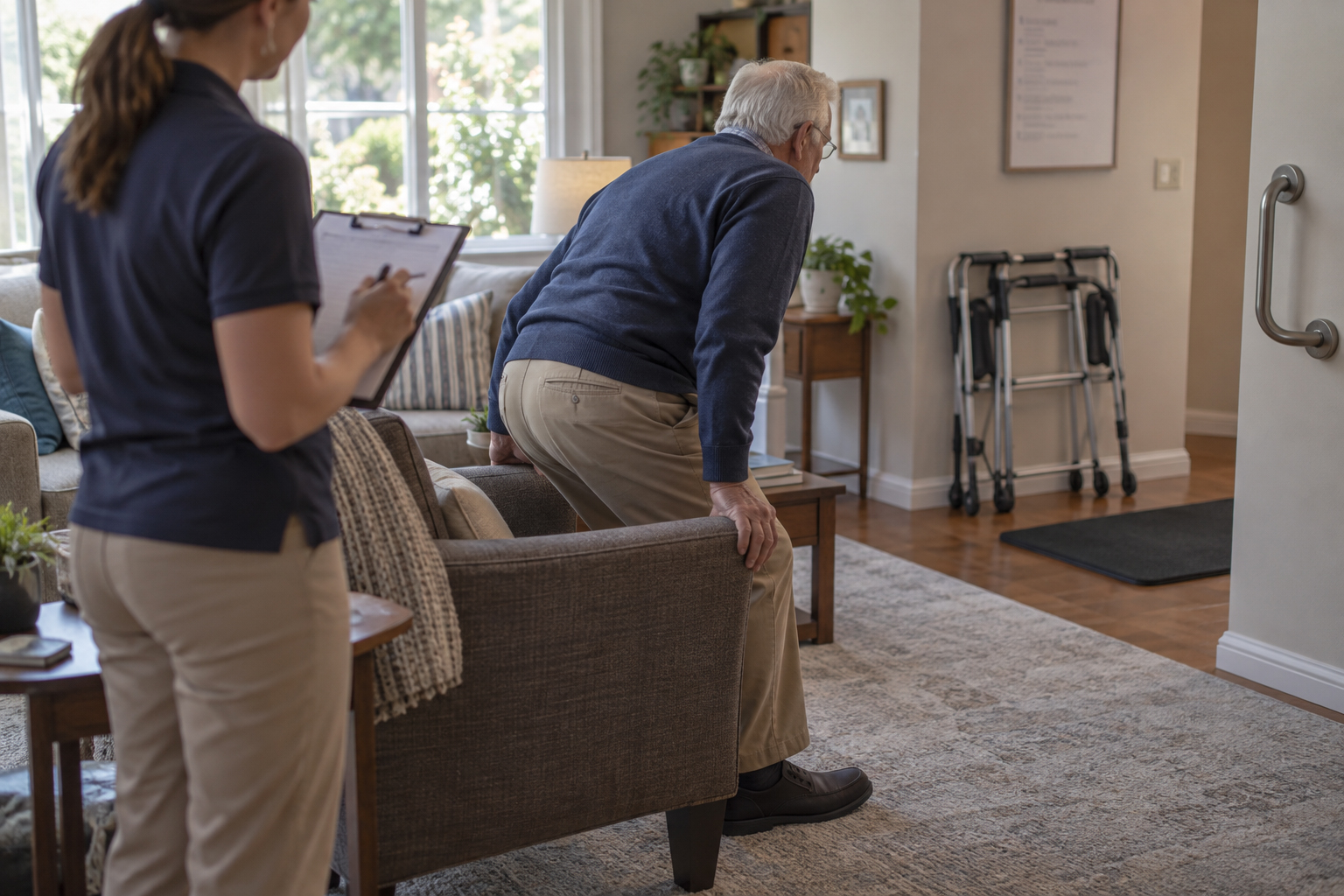
Begin by taking a careful inventory of what you can do now and which tasks cause discomfort or fatigue. Note obstacles in rooms you use most, such as loose rugs, poor lighting, or narrow pathways, and consider simple adjustments. Enlist a family member or therapist to observe functional tasks like standing from a chair or climbing stairs for unbiased feedback. This initial assessment will guide the pace and focus of your recovery plan.
Use objective measures when possible, such as timed walks or repetitions of key movements, to chart initial capacity. These simple tests help set realistic short-term goals and identify immediate safety needs.
Set realistic goals and a progressive schedule
Break recovery into small, measurable goals that increase gradually in intensity or duration over weeks. Prioritize activities that restore independence in daily living, for example dressing, toileting, and kitchen tasks, and plan exercises to support those functions. Schedule short practice sessions multiple times a day rather than long sessions that cause exhaustion. Consistency and incremental progression reduce the risk of setbacks and build sustainable gains.
Plan weekly reviews to adjust targets and rest appropriately. Small victories reinforce adherence and help maintain motivation during slower phases.
Use safe techniques and appropriate equipment
Adopt movement patterns that protect healing tissues and improve balance, such as using the stronger limb more and maintaining upright posture during transfers. Introduce simple assistive items if needed—stable chairs, non-slip mats, grab bars, or a walker—based on the earlier assessment and professional advice. Learn proper breathing and pacing to manage fatigue during exercises and daily tasks. Safety should always precede speed when relearning functional movements.
- Choose sturdy, well-fitted aids.
- Remove tripping hazards in high-use areas.
- Maintain clear sightlines and adequate lighting.
Gradually reduce dependence on aids as strength and balance improve. Re-evaluate equipment needs routinely to avoid overreliance or new risks.
Monitor progress and know when to seek help
Keep a simple log of daily tasks, exercise repetitions, and any pain or unusual symptoms to track trends over time. Celebrate consistent improvements and note plateaus that may signal the need for modified strategies. Maintain communication with your healthcare team to address new concerns and to ensure exercises remain appropriate to your stage of recovery. Professional input can help prevent reinjury and optimize long-term outcomes.
Use objective markers like reduced assistance needs or increased walking distance as signs of progress. Adjust the plan collaboratively when recovery stalls or new challenges arise.
Conclusion
Create a stepwise, personalized plan that begins with a realistic assessment. Progress gently with consistent practice, appropriate equipment, and periodic professional review. This structured approach supports safe, steady recovery at home.