

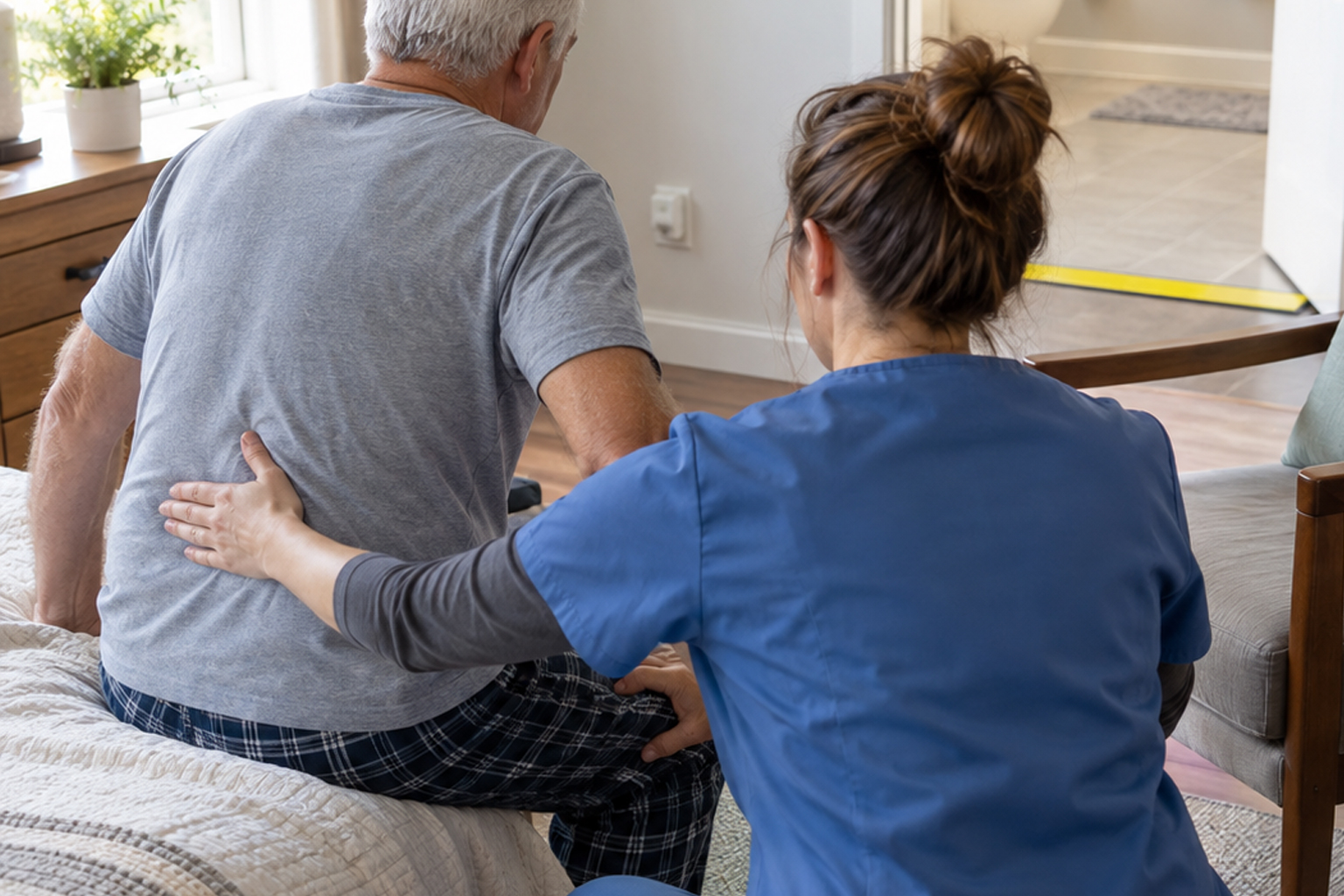
Preparing living spaces after an injury or procedure reduces stress and supports steady progress. Thoughtful staging balances safety, accessibility, and opportunities for graded activity. Small changes can prevent setbacks while encouraging independence and confidence. This guide outlines practical staging strategies you can apply room by room.
Assessing and Prioritizing Spaces
Begin by surveying the home with the daily routine in mind, noting areas used most often such as the bedroom, bathroom, and kitchen. Identify trip hazards, tight turning spaces, and furnishings that impede movement or transfers. Prioritize changes that affect basic tasks like toileting, bathing, dressing, and meal preparation. That focused approach preserves energy and addresses the most common sources of difficulty first.
Start with low-effort, high-impact fixes so improvements are immediately noticeable. Small wins help maintain momentum and reduce the need for more extensive interventions later.
Simple Modifications and Useful Tools
Introduce targeted modifications that improve safety without requiring major renovation. Consider non-slip mats, raised toilet seats, secure grab bars, and stable seating with armrests to make common tasks easier. Reorganize frequently used items within easy reach and remove loose rugs and clutter that can cause falls. These changes reduce strain and make the environment more predictable for someone relearning movement patterns.
- Use bright tape or contrast on step edges and thresholds.
- Keep walkways clear and well lit to reduce missteps.
Choose tools that match current abilities and can be removed or adapted as recovery progresses. That flexibility supports ongoing independence while minimizing reliance on permanent adjustments.
Designing Daily Routines and Movement Opportunities
Structure the day around repeated, manageable tasks that reinforce strength, balance, and coordination. Break activities into short segments with rest periods and use environmental cues—like a designated chair for seated exercises—to encourage consistency. Gradual increases in duration or complexity help build capacity without provoking pain or fatigue. This structured repetition supports neural and muscular recovery in real-world contexts.
Record simple progress markers such as steps taken or minutes of activity to track improvements and adjust routines. Small measurable goals improve adherence and motivation.
Working with Caregivers and Professionals
Engage therapists, nurses, or trusted family members early to review the staged setup and confirm safety. Professionals can recommend specific equipment, demonstrate transfer techniques, and suggest pacing strategies tailored to recovery goals. Caregivers benefit from clear task delegation and simple checklists that reduce errors and improve confidence. Consistent communication ensures the staged environment remains aligned with evolving needs.
Regular reassessment lets you reduce supports as independence returns and prevents unnecessary long-term modifications. This collaborative approach keeps recovery efficient and person-centered.
Conclusion
Staging home spaces thoughtfully supports safer, more efficient recovery by focusing on high-impact changes and daily routines. Prioritize accessibility, apply simple adaptations, and involve professionals to match staging to individual needs. Small, staged steps help restore independence while minimizing setbacks.









