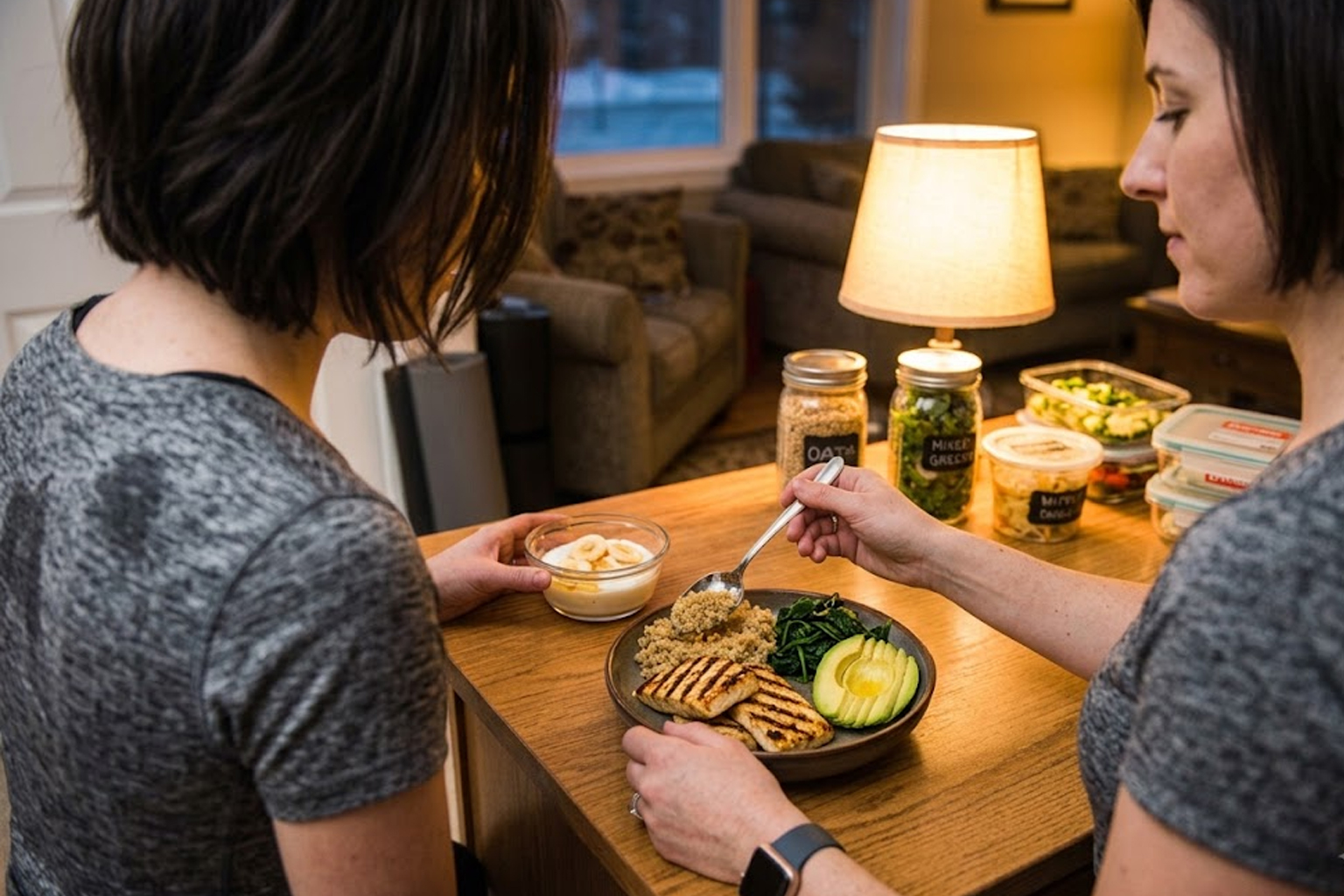
In the hours after an evening home workout, the meals you choose influence recovery, sleep quality, and next-day energy. Focusing on a mix of protein, modest carbohydrates, and a touch of healthy fat helps rebuild muscle while stabilizing blood sugar. Keeping portions sensible and ingredients easy to digest can also prevent late-night discomfort and support sleep. This article outlines nutrient priorities, simple plate templates, and practical timing tips for better post-workout evenings.
Key nutrients for nighttime recovery
After exercise the primary priorities are protein for repair, carbohydrates to replenish glycogen, and fluids plus electrolytes to restore balance. Micronutrients like magnesium and vitamin D support muscle function and sleep, while antioxidants help manage oxidative stress. Choosing whole-food sources delivers a broader nutrient mix than isolated supplements. Aim for foods that combine these elements in compact, easy-to-digest forms.
- Lean protein: Greek yogurt, cottage cheese, or tofu.
- Moderate carbs: Sweet potato, quinoa, or banana.
- Healthy fats and extras: Avocado, olive oil, nuts; magnesium-rich spinach.
Combining these elements makes a recovery meal that supports repair without overloading the digestive system. Focus on balance rather than perfection.
Three simple post-workout plate templates
Templates simplify meal choices when you are tired after training. Below are three balanced plates suitable for evening recovery, each built from common pantry or fridge staples. They prioritize easily digestible protein, a controlled portion of carbohydrates, and a bit of healthy fat. Swap ingredients to match preferences and availability.
- Protein-forward bowl: Grilled or baked fish/tempeh, steamed greens, quinoa or brown rice, drizzle of olive oil.
- Dairy-based option: Greek yogurt with a scoop of protein, chopped fruit, a sprinkle of oats or nuts.
- Stir-fry plate: Lean chicken or tofu, mixed vegetables, small serving of noodles or rice, light soy or tamari.
These patterns are flexible and can be prepared quickly from leftovers. They emphasize recovery while keeping portions reasonable.
Timing, portions, and sleep-friendly practices
Aim to eat within 60 to 90 minutes after finishing exercise to maximize repair and glycogen restoration without disrupting sleep. Keep evening portions moderate—roughly half to two-thirds of a normal dinner—if you train late. Favor lighter cooking techniques like steaming or grilling to ease digestion and avoid heavy, greasy meals. Hydration matters; a short electrolyte snack or water with a pinch of salt can help if you sweat heavily.
- Listen to hunger cues; avoid forcing large meals late at night.
- Choose calming beverages like herbal tea rather than high-caffeine options.
Small routines—consistent meal timing and simple plates—improve recovery over time. Adjust based on how your body feels and the intensity of the workout.
Conclusion
Post-evening workouts benefit most from compact meals that prioritize protein, moderate carbohydrates, and gentle fats. Using simple plate templates reduces decision fatigue and supports consistent recovery. Small timing and portion tweaks will improve sleep and next-day performance.