Recovering mobility after a medical event requires patience, planning, and small consistent steps. Focusing on practical movement, safety, and gradual strength gains helps people return to daily activities with confidence. This article outlines clear, home-based strategies that prioritize function and injury prevention. Use these ideas to build a routine that fits your needs and progress level.
Approaching recovery with realistic expectations reduces frustration and supports steady improvement. A simple, structured plan often yields better long-term results than sporadic, intense efforts.
Assess Your Baseline
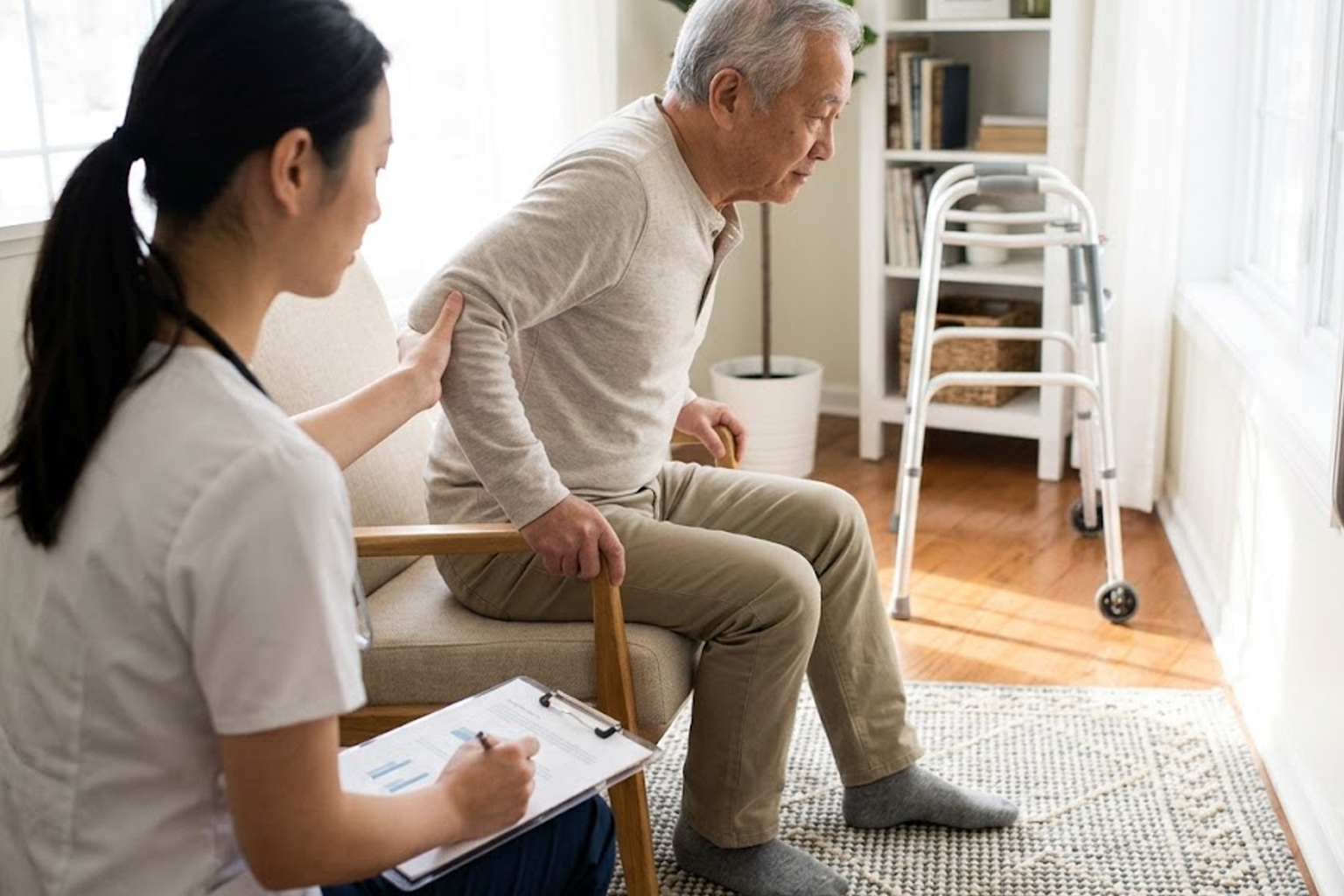
Begin by understanding your current abilities and limitations through gentle self-assessment or guidance from a clinician. Note pain triggers, balance issues, endurance, and range of motion to identify priorities. Simple tasks like standing from a chair, walking a short distance, or lifting a light object can reveal practical targets for training. Track observations in a journal to measure progress over weeks.
Clear baseline information helps tailor exercises and prevents overexertion. Regularly re-evaluate to adjust the plan as strength and confidence grow.
Set Gradual, Functional Goals
Choose goals tied to daily life, such as climbing a flight of stairs, carrying groceries, or rising without support. Break larger aims into weekly milestones that are specific, measurable, and achievable. Aim for incremental improvements in repetitions, duration, or ease of movement rather than dramatic gains. Celebrate small wins to maintain motivation and reinforce consistency.
Functional goals keep training relevant and improve quality of life more quickly than abstract metrics. Reassess and refine goals as tasks become easier.
Build a Simple Daily Routine
Create short sessions combining mobility, strength, and balance exercises tailored to your capacity. Start with gentle joint mobility and warm-up movements, add basic strength work like sit-to-stand or heel raises, and finish with balance practice or controlled walking. Keep sessions brief—ten to twenty minutes—and aim for daily consistency rather than intensity. Progress by increasing repetitions, adding light resistance, or extending duration incrementally.
- Warm-up: gentle marching or arm circles.
- Strength: chair stands, wall push-ups.
- Balance: tandem stance, heel-to-toe steps.
Consistency matters more than complexity; simple exercises performed often produce meaningful change. Adjust frequency based on fatigue, pain, or recovery needs.
Modify the Home Environment
Reduce fall risks by improving lighting, clearing walkways, and securing rugs or cables. Install supportive tools as needed—grab bars, stable chairs, or non-slip mats—to encourage independence and confidence. Organize frequently used items within easy reach to avoid unnecessary bending or twisting. A safer environment supports more frequent practice and reduces setbacks.
Small environmental changes can have a big impact on daily safety and activity levels. Revisit your home setup as mobility improves and new needs emerge.
Conclusion
Recovery at home is a steady process built on realistic goals, regular practice, and a safe environment. Prioritize functional improvements, track progress, and adjust routines to match developing abilities. Small, consistent steps will help reclaim everyday movement and confidence over time.